The Nezu Reitaisai, or Nezu-jinja Shrine Annual Grand Festival, began in 1714 and has transformed from one of Edo’s largest public celebrations into a cherished neighborhood event each September. For international readers, the festival’s evolution is a story of changing scale and community focus, shifting from a citywide spectacle to a local tradition while preserving elements of its historic grandeur.
Key Facts: Nezu Reitaisai Today
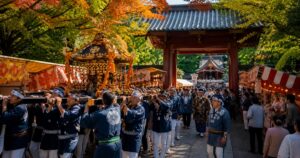
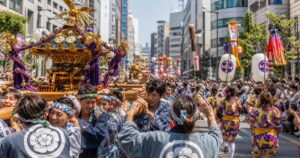
The Nezu Reitaisai is held annually at Nezu-jinja Shrine in Bunkyo City, Tokyo, with main festivities in September. The festival is known for its vibrant atmosphere, featuring traditional music, dance performances, and a lively array of vendor stalls throughout the shrine grounds. In 2026, the festival is scheduled for September 26 and 27, with the Shinkosai procession—a ritual parade held every four years—occurring on September 27. During this procession, the shrine’s main portable mikoshi (portable shrine) is carried and paraded through the local area by designated participants.
The festival site is easily accessible, located within a five-minute walk from Nezu, Sendagi, or Todaimae stations on the Tokyo Metro lines. The shrine itself is renowned for its historical architecture, with many structures dating back to 1706 and designated as Important Cultural Properties. These buildings provide a tangible link to the festival’s origins and the Edo period in which it began.
Historical Background: From Tenka Matsuri to Local Celebration
The origins of Nezu Reitaisai are traced to 1714, when it was established by Tokugawa Ienobu, the shogun of Edo (the former name for Tokyo). In its early years, the festival was known as the Tenka Matsuri, or “World Festival,” a title reflecting its immense scale and prestige. During this period, grand floats from across Edo would gather at Nezu-jinja, creating a spectacle that drew crowds from throughout the city. The festival’s prominence made it one of the most significant public events in Edo, embodying both religious devotion and communal celebration.
Over time, the scale of the festival has shifted. While the original Tenka Matsuri featured elaborate floats and citywide participation, the modern Nezu Reitaisai emphasizes local traditions and community involvement. The grand floats of the Edo era are no longer a feature of the event. Instead, the festival now centers on performances such as gongen taiko drumming and urayasu dancing, along with the periodic Shinkosai procession of the mikoshi. These elements maintain the festival’s connection to its historical roots while adapting to contemporary community life.
Documented Facts Versus Tradition
Official sources confirm that the Nezu Reitaisai was founded in 1714 by Tokugawa Ienobu and that it was once celebrated as the Tenka Matsuri, attracting floats and participants from all over Edo. Today, the festival is held in September and features a mix of ritual, performance, and festivity. The Shinkosai procession, held every four years, is a documented highlight, with the next occurrence scheduled for September 27, 2026. The festival grounds are filled with vendor stalls and traditional entertainment, creating a lively and welcoming atmosphere for both locals and visitors.
While historical accounts describe the festival’s past grandeur, current sources do not provide detailed records of every change over the centuries. The absence of the original grand floats and the shift toward neighborhood-focused activities are observed changes, but the precise timeline and reasons for these transitions are not fully documented in official guides. What remains clear is the festival’s enduring role as a focal point for community gathering and cultural continuity in the Nezu area.
How the 1714 Festival Changed Over Time
The most significant transformation of Nezu Reitaisai is its evolution from the Tenka Matsuri, a “World Festival” of the Edo period, to a modern neighborhood celebration. In the 18th century, the festival’s scale reflected the shogun’s authority and the city’s unity, with floats and participants representing various districts of Edo. As urban life and religious practices changed, the festival adapted, focusing more on local traditions and the preservation of historical rituals such as the Shinkosai procession and traditional performances.
Today, Nezu Reitaisai is characterized by its balance of history and community spirit. The festival maintains its roots through the preservation of shrine architecture and periodic ritual processions, while also embracing the practicalities and sensibilities of contemporary Tokyo. The shift from a citywide spectacle to a local event reflects broader trends in Japanese festival culture, where many historic celebrations have adapted to the changing needs and structures of urban communities.
Respectful Guidance for Visitors
Visitors to Nezu Reitaisai are welcome to enjoy the festival’s vibrant atmosphere, traditional performances, and the historic setting of Nezu-jinja Shrine. The event is open to the public, and the shrine grounds are accessible via several Tokyo Metro stations. During the festival, guests can observe gongen taiko drumming, urayasu dancing, and, if visiting during a Shinkosai year, the mikoshi procession. Vendor stalls offer food and festival goods, contributing to the lively environment.
It is important for visitors to respect the religious and cultural significance of the event. Ritual participation, including carrying the mikoshi or joining formal ceremonies, is reserved for local community members and shrine affiliates. Photography is usually permitted in public areas, but visitors should avoid obstructing processions or entering restricted spaces. The festival takes place outdoors, and September weather in Tokyo can be hot and humid, with the possibility of rain or typhoons. Checking the official event website for the latest updates on schedules and any weather-related changes is recommended. The shrine’s historical buildings are open for viewing, providing an opportunity to appreciate Edo-period architecture and the enduring legacy of the festival.
Nezu Reitaisai stands as a living tradition, blending the grandeur of its origins with the warmth of neighborhood celebration. Its evolution over three centuries reflects both the resilience of local culture and the adaptability of Japanese festivals to the rhythms of modern urban life.