September in Tokyo marks a transitional period between the lingering heat of summer and the first hints of autumn. International visitors planning a trip during this month should be prepared for high temperatures, persistent humidity, and the possibility of typhoons. Official sources confirm that September remains one of the city’s rainiest months, with a full calendar of traditional and contemporary festivals that require careful, respectful planning.
What to Expect from Tokyo’s September Weather
According to the official Tokyo travel guide, September in Tokyo is characterized by continued summer heat. Daytime temperatures frequently exceed 30°C (86°F), and the average temperature is 26.5°C (79.7°F). Evenings and nights can be cooler, with lows around 23°C (73.4°F). The humidity is high, making the weather feel as hot as August. Rainfall averages around 200 mm for the month, making it one of the wettest periods of the year. Typhoons may approach or pass through the Tokyo area, often bringing sudden, heavy rain and rapid drops in temperature. Visitors are advised to monitor weather forecasts and news updates for the latest typhoon information, as conditions can change quickly.
Understanding Typhoon Season and Its Impact
September falls within Japan’s annual typhoon season. Typhoons are large tropical storms that can cause heavy rain, strong winds, and transportation disruptions. The official travel guide emphasizes the importance of keeping an eye on news reports for typhoon updates. When a typhoon is forecasted, public transportation may be delayed or suspended, and outdoor events can be postponed or canceled. It is recommended to bring rain gear and a light jacket, as temperatures can drop suddenly during and after rainstorms. The average rainfall and the risk of typhoons make it essential to have flexible plans and to prioritize safety during your visit.
September Festivals and Events: Official Dates and Cultural Context
Despite the challenging weather, September in Tokyo offers a vibrant array of festivals and cultural events. The city hosts both traditional and modern celebrations, many of which are deeply rooted in local history. According to the official event calendar, highlights include:
- Tokyo Festival 2026: This urban performing arts festival runs from September 1 to November 3, featuring international and local performances across the city. The program includes “Autumn Meteorite 2026 Tokyo,” over 100 works selected from open-call entries, and free showcases at venues like Tokyo International Forum and MoN Takanawa: The Museum of Narratives.
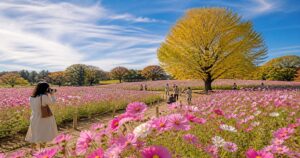
- Cosmos Festival: Held at Showa Kinen Park from September through October, this event celebrates the blooming of around 4 million cosmos flowers. Special photo spots are set up for visitors to capture the seasonal beauty.
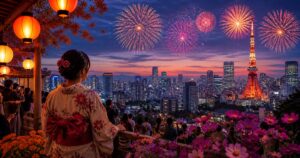
- Chofu’s Autumn Fireworks: With a history spanning over 40 years, this event features 50 large fireworks in rapid succession, music and fireworks collaborations, and displays by renowned Japanese artisans.
- Hagi (Bush Clover) Tunnel: At Mukojima-Hyakkaen Garden, a 30-meter-long tunnel of bush clover blooms each September, offering a unique floral experience in a garden with over 200 years of history.
- Shinjuku Gyoen National Garden Open-air Noh Performances (Mori no Takigi Noh): Traditional Noh and kyogen (Japanese comedic theater) are performed outdoors, illuminated by flaming torches, with the garden open late for rare nighttime access.
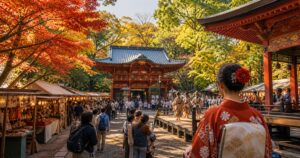
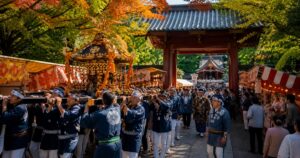
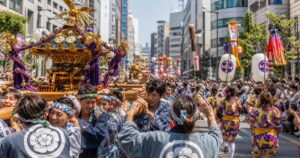
- Nezu-jinja Shrine Annual Grand Festival: Dating back to 1714, this festival features traditional dances, food stalls, and, in 2026, the Jinkosai ritual procession on September 27, where a portable mikoshi shrine is paraded through the area.
- Kita City Fireworks Festival: Held along the Arakawa River, this event showcases 10,000 fireworks synchronized to music and lights, with reserved seats available for international visitors.
- Shinagawa Shukuba-matsuri Festival: Celebrating Shinagawa’s historical role as the first post town on the old Edo-Kyoto road, this festival features period costumes and processions.
- Fukuro Matsuri (Ikebukuro Festival): Since 1968, this lively event has included mikoshi (portable shrine) parades, energetic music, and dance performances, attracting tens of thousands of attendees.
All event details, including dates and formats, are subject to change based on weather and safety considerations. Visitors should confirm schedules and any possible cancellations through official channels close to the event date.
Defining Key Japanese Cultural Terms
Several Japanese terms appear frequently in September’s festival calendar. Mikoshi refers to a portable Shinto shrine carried through the streets during festivals, symbolizing the movement of a deity. Noh is a classical form of Japanese drama featuring masked actors, while kyogen is a comedic counterpart often performed alongside Noh. Hanabillusion is a modern fireworks display that combines music and pyrotechnics for a multimedia experience. These traditions are not staged for tourists but are living practices with deep local significance. Visitors are welcome to observe and participate respectfully, following local guidance and event rules.
Official Guidance: How to Prepare and Participate Respectfully
Given the high temperatures, humidity, and risk of sudden rain or typhoons, visitors should pack lightweight, breathable clothing, a rain jacket or umbrella, and comfortable shoes suitable for wet conditions. It is also wise to carry a light jacket for cooler evenings or after rain. Hydration is important, as is the use of sun protection during outdoor activities.
When attending festivals, follow all posted signs and staff instructions. Do not enter restricted areas or interfere with processions, performances, or rituals. Photography may be allowed in public spaces, but always check for restrictions, especially during religious ceremonies or inside shrines and gardens. Food stalls and festival games are common, but lines can be long during peak times. Arrive early for popular events, and consider using public transportation, as parking is limited and traffic can be affected by weather or event-related road closures.
Many events, especially those involving fireworks or large gatherings, may have reserved seating options for international visitors. Check official event websites for ticketing information and updates. In the event of a typhoon or severe weather, follow local advisories and be prepared for changes to schedules or cancellations. The official Tokyo travel guide is the best source for up-to-date information on weather, safety, and event status.
Limits of Official Information and Responsible Travel
All weather data and event information are based on the latest available official sources and are subject to change. The provided guidance reflects meteorological data for 2025 and event announcements for 2026. Visitors should recheck dates, event status, and local advisories within 72 hours of travel or attendance. While the official guide offers extensive details, some smaller community events may not be listed or may change without notice. Always prioritize safety and local customs when planning your visit.