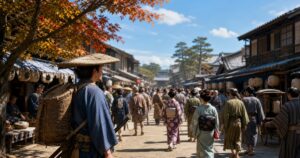
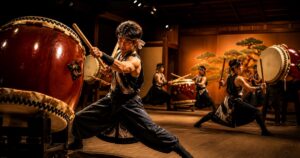
Fukuro Matsuri is a major festival held every September on the west side of Ikebukuro Station in Tokyo. It is best known for its lively mikoshi (portable shrine) parade, energetic music, and dance performances. The event now attracts tens of thousands of visitors, but its origins are rooted in the efforts of local shopping street communities.
Key Facts: Fukuro Matsuri’s Origins and Present Parade
Fukuro Matsuri was first held in 1968. The festival was originally organized by local shopping street associations in Ikebukuro. Their goal was to bring the community together and revitalize the area through a shared celebration. Over the decades, the event has grown significantly, both in scale and reputation.
Today, Fukuro Matsuri is a highlight of Ikebukuro’s September calendar. The festival centers around a mikoshi parade, where participants carry portable shrines through the streets. These parades are accompanied by dynamic music and dance performances, creating a festive and welcoming atmosphere for all attendees.
Cultural and Historical Context: Shopping Streets and Mikoshi
Shopping streets, known as shotengai in Japan, have long played a central role in local communities. In the postwar period, these commercial districts became important centers of daily life and neighborhood identity. Organizing festivals like Fukuro Matsuri allowed shopkeepers and residents to strengthen community bonds and attract visitors.
The mikoshi is a portable shrine that symbolizes the presence of a deity during a festival. Carrying the mikoshi through the streets is believed to bring good fortune to the area. This tradition is found in many Japanese festivals, but Fukuro Matsuri stands out for blending this custom with the energy of a modern urban district.
Documented Facts Versus Tradition
According to the official Tokyo travel guide, Fukuro Matsuri was established in 1968 by the local shopping street community. This fact is well documented and distinguishes the festival from older, shrine-based events in Tokyo. The festival’s mikoshi parade is a relatively recent addition to Ikebukuro’s cultural calendar, reflecting both tradition and innovation.
While the festival incorporates traditional elements such as the mikoshi and festive music, its origins are not tied to an ancient shrine or religious ritual. Instead, Fukuro Matsuri represents a modern adaptation of festival practices, shaped by the needs and creativity of local merchants and residents in the late 20th century.
Understanding the Unique Angle: From Shopping Street to Major Festival
Fukuro Matsuri answers a central question for many visitors: How did a modern shopping district create a festival with such traditional flair? The answer lies in the collaborative spirit of Ikebukuro’s shopkeepers. By organizing a festival that combined the excitement of a mikoshi parade with contemporary music and dance, they succeeded in making the event both accessible and meaningful to a wide audience.
Over time, Fukuro Matsuri has become a symbol of Ikebukuro’s identity. The festival not only celebrates local commerce but also provides a stage for cultural expression and community pride. Its growth from a small shopping street event to a major urban festival demonstrates the adaptability of Japanese festival traditions in a modern context.
Respectful Practical Guidance for Visitors
Fukuro Matsuri is held annually in September, but specific dates and schedules may vary each year. The official Tokyo travel guide recommends checking for the latest updates, including any changes or cancellations, close to your planned visit. Weather in Tokyo during September can be hot and humid, with the possibility of typhoons, so visitors should prepare accordingly with light clothing and rain gear.
The festival takes place on the west side of Ikebukuro Station, a major transportation hub with easy access from across Tokyo. During the event, streets may be crowded, especially during the mikoshi parade and performances. Visitors are encouraged to enjoy the festivities respectfully, avoid obstructing the parade route, and follow any guidance from event staff or local authorities.
While the mikoshi parade is a highlight, participation in carrying the mikoshi is typically limited to registered groups or local community members. Spectators are welcome to watch and enjoy the performances, but should not attempt to join the parade without proper authorization. Photography is generally permitted, but always be mindful of personal space and the flow of the event.
Fukuro Matsuri offers a unique opportunity to experience both the vibrancy of a modern Tokyo neighborhood and the enduring appeal of Japanese festival traditions. By understanding its origins and present form, visitors can appreciate the festival’s role in shaping Ikebukuro’s community spirit and cultural landscape.