The Nezu Shrine Shinkosai procession in 2026 is a rare event, taking place only once every four years. On September 27, 2026, the shrine’s main portable shrine, known as the miyamikoshi, will be carried in a lively parade through the local neighborhood of Nezu in Bunkyo City, Tokyo. This procession is a highlight of the Nezu-jinja Shrine Annual Grand Festival, which is scheduled for September 26–27, 2026. The event is organized and officially announced by Nezu-jinja Shrine and is featured on the Tokyo Convention & Visitors Bureau’s GO TOKYO guide.
What Is the Nezu Shrine Shinkosai Procession?
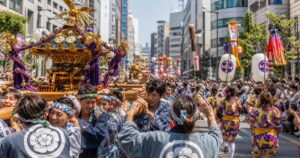
The Shinkosai is a ritual procession that forms part of the Nezu Shrine’s main festival, known as the Annual Grand Festival. Unlike the regular annual festivities, the Shinkosai procession is held only once every four years, making it a rare spectacle. During the Shinkosai, the shrine’s miyamikoshi—a sacred portable shrine believed to house the deity during the procession—is paraded through the local area. This event draws both local residents and visitors, who gather to witness the display of tradition and community spirit.
Confirmed Route and Procession Details for 2026
The 2026 Shinkosai procession is scheduled for September 27, as part of the two-day Annual Grand Festival. The parade begins at Nezu-jinja Shrine, located at 1-28-9 Nezu, Bunkyo City, Tokyo. The procession route takes the miyamikoshi through the surrounding Nezu neighborhood. While the official sources confirm that the parade passes through the local area, they do not publish a detailed street-by-street route or timetable. Visitors can expect the procession to move through the streets near the shrine, accompanied by festival participants and traditional music. For exact start and finish times, as well as any last-minute changes, the official event website should be checked closer to the date.
Why Is the Shinkosai So Rare?
The Shinkosai procession’s rarity is central to its appeal. Unlike many shrine festivals in Tokyo, which feature annual processions, Nezu Shrine’s Shinkosai is held only once every four years. This infrequency means that each occurrence is highly anticipated by the local community and visitors alike. The tradition of holding the Shinkosai at this interval has been maintained to preserve its special status and to highlight the importance of the shrine’s rituals within the broader context of Tokyo’s festival calendar.
Nezu Shrine: Historical and Cultural Context
Nezu-jinja Shrine is one of Tokyo’s most historically significant shrines, with origins dating back to the early 18th century. The Annual Grand Festival was established in 1714 by Tokugawa Ienobu, a shogun of the Edo period. In its early years, the festival was known for its grand floats and was called the Tenka Matsuri, or “World Festival,” reflecting its status as one of the most spectacular events in Edo (now Tokyo). Today, the festival includes traditional drumming (gongen taiko) and urayasu dancing, as well as numerous vendor stalls that fill the shrine grounds with a festive atmosphere.
The shrine itself is renowned for its architecture, with many buildings—including the main hall and gates—dating back to 1706. These structures are designated Important Cultural Properties, offering visitors a glimpse into the architectural style of the Edo period. Even outside of festival times, Nezu Shrine is a popular destination, especially in spring when its 3,000 azalea bushes bloom.
Documented Facts Versus Tradition
Official sources confirm that the Nezu Shrine Annual Grand Festival will be held on September 26–27, 2026, with the Shinkosai procession taking place on September 27. The event’s historical origins and its four-year cycle are documented by the Tokyo Convention & Visitors Bureau and the shrine’s own communications. While tradition holds that the festival was once the grandest in Edo, contemporary celebrations focus on the local community and the preservation of cultural practices. The exact route and schedule of the procession are not published in advance, reflecting both practical considerations and the tradition of keeping some aspects of the ritual within the community.
Practical Guidance for Visitors
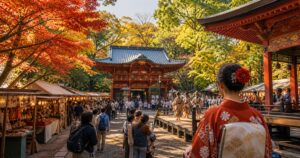
Nezu Shrine is located in the Yanaka & Nezu area of northern Tokyo and is easily accessible by public transport. The shrine is a five-minute walk from Nezu Station (Tokyo Metro Chiyoda Line), Sendagi Station (Tokyo Metro Chiyoda Line), or Todaimae Station (Tokyo Metro Namboku Line). During the festival, the grounds are filled with food stalls and festival games, creating a lively and welcoming atmosphere. Visitors are encouraged to respect the boundaries of the procession and the instructions of festival staff. As the event attracts many participants, it is important to avoid obstructing the parade route or entering areas reserved for ritual participants. For the latest information on event times, access, and any changes due to weather or other factors, the official event website should be consulted in the days leading up to the festival.
Understanding Key Terms and Customs
The term miyamikoshi refers to a portable shrine used to transport the deity during Shinto processions. The act of carrying the mikoshi is both a religious ritual and a community celebration, believed to bring blessings to the local area. Gongen taiko are traditional drumming performances that accompany the festival, while urayasu dancing is a ritual dance performed as an offering to the shrine’s deity. These elements are integral to the festival’s atmosphere and are rooted in centuries-old practices.
Source Limits and Responsible Attendance
The information in this article is based on official announcements from the Tokyo Convention & Visitors Bureau and Nezu-jinja Shrine. Details such as the exact route, procession times, and access to specific areas are not published in advance and may be subject to change. Visitors should check the official event website for updates, especially in the days before the festival, as weather conditions or other factors may affect the schedule. Participation in the festival should be respectful of local customs and the sanctity of the shrine’s rituals. Photography and observation are generally welcomed from public areas, but entering restricted zones or interfering with the procession is not permitted.
Nezu Shrine’s 2026 Shinkosai procession offers a rare opportunity to witness a centuries-old tradition in the heart of Tokyo. By understanding the event’s route, rarity, and cultural context, visitors can appreciate its significance while respecting the practices that make it unique.