The Aizu Festival in Aizuwakamatsu, held each September, is a living showcase of the region’s history. The event is best known for its grand processions, where participants dress in the attire of different historical periods, transforming the castle town into a moving tableau of samurai, warriors, and townsfolk. This festival provides international visitors with a direct, immersive way to see how Aizuwakamatsu presents its layered past through performance and pageantry.
How the Aizu Festival Brings History to Life
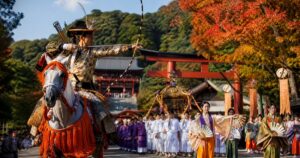
The Aizu Festival is officially recognized as a major September event by the Japan National Tourism Organization. It is staged in Aizuwakamatsu, a city in Fukushima Prefecture known for its samurai heritage and historic castle. The highlight of the festival is a large-scale procession that moves through the city’s streets, featuring participants in period costumes representing various eras of Aizu’s history. This includes samurai in armor, women in traditional dress, and children in historical outfits, all marching in a carefully organized parade.
This living procession is not just a spectacle; it is a carefully curated presentation of the city’s past, with each group in the parade representing a specific historical period or notable local figure. The festival’s organization and costuming are based on documented historical records, ensuring that the representation is as accurate as possible within the context of a public celebration.
The Historical and Cultural Roots of Aizuwakamatsu
Aizuwakamatsu is a castle town with a history stretching back centuries. The city is most famous for Tsuruga Castle, a symbol of the region’s resilience and a focal point during the Boshin War in the late 19th century. The area’s samurai culture and its role in Japan’s transition from feudal rule to the modern era are central themes of the festival. The procession route often includes sites of historical significance, reinforcing the connection between the living town and its storied past.
Japanese festivals, or matsuri, are deeply embedded in local culture and often serve as a means of preserving and sharing history. In Aizuwakamatsu, the Aizu Festival is a community-wide effort, with residents and local groups participating in the preparations and performances. This communal involvement ensures that the traditions and stories of Aizu are passed down and remain relevant to both locals and visitors.
Documented Facts Versus Tradition
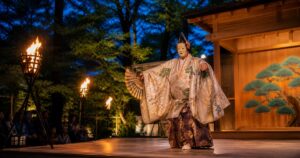
The Aizu Festival’s main events, including the samurai procession, are based on historical documentation and local records. The costumes, banners, and order of the parade are designed to reflect actual historical figures and events associated with Aizuwakamatsu. However, the festival also incorporates elements of local tradition and performance, blending fact with community storytelling. While the festival strives for historical accuracy, it is ultimately a celebration, and some aspects are stylized for dramatic effect and public enjoyment.
It is important to distinguish between the documented history presented in the festival and the performative elements added for the sake of spectacle. For example, while the armor and clothing are modeled after historical examples, some details may be adapted for comfort, safety, or visual impact during the parade. The festival does not claim to be a reenactment of specific battles or events but rather a respectful homage to the region’s heritage.
How Aizuwakamatsu Presents Different Historical Eras
The central reader question—how Aizuwakamatsu presents different historical eras—is answered through the structure and content of the Aizu Festival. The procession is organized to reflect the chronological development of the region, with groups representing different periods marching in order. This allows spectators to witness the evolution of local dress, customs, and social roles from the feudal era through the modern period.
Each section of the parade is introduced with banners or narration, explaining the significance of the era or figure being represented. This educational component helps visitors understand the context of what they are seeing, making the festival accessible to those unfamiliar with Japanese history. The festival’s approach is inclusive, inviting both locals and international guests to appreciate the continuity and change in Aizuwakamatsu’s identity.
The use of the city’s streets and landmarks as the stage for the procession further enhances the sense of historical continuity. By moving through spaces that have witnessed centuries of change, the festival creates a living connection between past and present. This method of presentation is unique to Aizuwakamatsu and is a key reason why the festival stands out among Japan’s many autumn celebrations.
Practical Guidance for Visitors
The Aizu Festival is held annually in September, as confirmed by the Japan National Tourism Organization. Visitors are encouraged to check official tourism resources for the most up-to-date information on dates, schedules, and any potential changes due to weather or local circumstances. September in Japan can see unpredictable weather, including the possibility of typhoons, so flexibility in travel plans is advised.
During the festival, the city experiences increased activity, but the atmosphere remains welcoming and organized. Spectators are expected to respect parade routes, designated viewing areas, and local customs. Photography is generally permitted, but visitors should be mindful not to obstruct participants or disrupt the flow of the procession. The festival is designed to be accessible, with information and guidance available in multiple languages at major points in the city.
As with all Japanese festivals, respectful behavior is essential. Visitors should avoid entering restricted areas, touching costumes or props, or engaging in actions that could be seen as disruptive. The Aizu Festival is a community event that relies on the cooperation and participation of local residents, and international guests are warmly welcomed when they observe these guidelines.
Limits of Available Information
All information in this article is based on official sources from the Japan National Tourism Organization, which provides the most reliable and up-to-date details about the Aizu Festival. Specifics such as exact dates, parade routes, and participation rules may change from year to year. It is recommended that visitors consult the official event website or local tourism offices shortly before their visit to confirm current arrangements.
While the festival is widely publicized and open to the public, some behind-the-scenes aspects—such as the selection of participants or the preparation of costumes—are managed by local organizations and may not be accessible to visitors. The festival’s primary aim is to share Aizuwakamatsu’s history with a broad audience in a respectful and engaging manner, within the limits of public celebration and safety.