Tokyo’s September 2026 holiday period features a unique four-day sequence of major festivals and events, drawing large crowds and offering visitors a vibrant mix of cultural experiences. International travelers should anticipate busy venues, increased demand for accommodations, and a city alive with both traditional and contemporary celebrations. The official Tokyo tourism authority confirms this holiday sequence and provides guidance for navigating the city during this popular travel window.
Confirmed 2026 Holiday Sequence and Key Dates
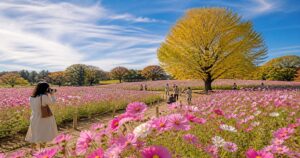
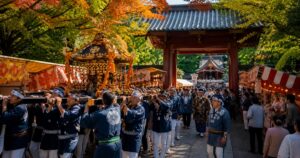
According to the official Tokyo travel guide, September 2026 marks a special convergence of events and festivals. The Tokyo Festival 2026, a citywide performing arts celebration, runs from September 1 to November 3. Notably, the Nezu-jinja Shrine Annual Grand Festival, which includes the Jinkosai ritual procession held only every four years, is scheduled for September 27. The Cosmos Festival at Showa Kinen Park and several major fireworks displays, such as Chofu’s Autumn Fireworks and the Kita City Fireworks Festival, also take place throughout September. This creates a rare four-day holiday period, when multiple large-scale events overlap, significantly increasing visitor numbers across the city.
Weather and Seasonal Considerations
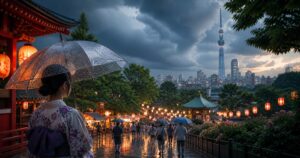
September in Tokyo is characterized by lingering summer heat and high humidity. Daytime temperatures frequently exceed 30°C (86°F), with an average temperature of 26.5°C (79.7°F). Rainfall is substantial, averaging around 200 mm for the month, and typhoons are possible, sometimes causing sudden drops in temperature. Travelers should bring rain gear and light jackets, and monitor local news for typhoon updates. These weather patterns can affect outdoor events and crowd movement, so flexibility in planning is advised.
Major Events and Crowd Implications
The Tokyo Festival 2026 transforms the city into an international stage for performing arts, with over 100 performances selected from open-call entries, free showcases at prominent venues, and collaborations with local theater festivals. The Nezu-jinja Shrine Annual Grand Festival’s Jinkosai procession, occurring only every four years, is expected to draw substantial crowds, especially on September 27. Fireworks festivals such as Chofu’s Autumn Fireworks and the Kita City Fireworks Festival are renowned for their scale and artistry, attracting tens of thousands of spectators. Reserved seating, particularly at the Kita City Fireworks Festival, is available for international visitors, but demand is high and advance booking is recommended.
Cultural and Historical Context
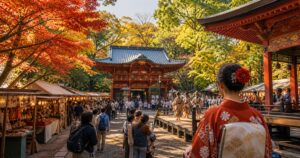
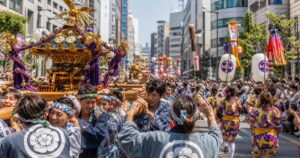
September’s festivals blend Tokyo’s historical roots with modern creativity. The Nezu-jinja Shrine, with buildings dating to the 18th century, hosts one of the city’s oldest and most significant festivals. The Jinkosai procession involves guiding a portable mikoshi shrine through local streets, a practice that honors centuries-old traditions. The Cosmos Festival at Showa Kinen Park celebrates the seasonal bloom of four million cosmos flowers, creating striking landscapes for visitors. Open-air Noh performances at Shinjuku Gyoen National Garden offer a rare opportunity to experience classical Japanese theater illuminated by torchlight in a historic garden setting. These events are not staged for tourists, but are living traditions deeply rooted in Tokyo’s community life.
Practical Guidance for Visitors
Given the concentration of events, travelers should expect crowded public spaces, especially near major festival sites and fireworks venues. Public transportation will be busier than usual, and some stations may implement crowd control measures. It is advisable to plan routes in advance, allow extra travel time, and consider arriving early to secure good viewing spots. Accommodations in central Tokyo and near event locations may book up quickly; reserving lodgings well ahead of time is strongly recommended. For outdoor events, prepare for both heat and rain, and check official event websites or the Tokyo tourism guide for any last-minute schedule changes due to weather.
Documented Facts Versus Tradition
All event dates, festival details, and crowd expectations are drawn from the official Tokyo tourism authority, which updates its information regularly and provides the most reliable guidance for visitors. While some traditions, such as the mikoshi procession and open-air Noh, are centuries old, their modern forms may include new elements or adjustments for safety and accessibility. The city’s approach balances respect for heritage with the practical needs of large, diverse audiences. No supernatural or speculative claims are made; all observations are based on documented facts and official announcements as of August 14, 2026.
Limits and Responsible Participation
The official sources emphasize respectful participation in all events. Visitors should not enter restricted areas, disturb processions, or interfere with local customs. Photography may be limited at certain performances or religious ceremonies; always check signage and follow staff instructions. The Tokyo tourism authority does not guarantee access to all events or viewing areas, especially during peak times. Information on event dates and schedules is subject to change in response to weather or public safety considerations, and travelers should verify details within 72 hours of their visit. By following official guidance and observing local etiquette, international visitors can enjoy Tokyo’s September holiday sequence while supporting the city’s vibrant cultural life.