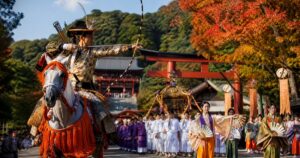
Yabusame in Kamakura is not simply a demonstration of horseback archery skill. For centuries, this ritual has been performed at Tsurugaoka Hachimangu Shrine each September as a sacred offering to the deities. While the athleticism of the archers is impressive, the event’s deeper meaning lies in its role as a spiritual ceremony, honoring tradition and forging a connection between the human and divine realms.
What Is Yabusame and Where Does It Take Place?
Yabusame is a form of horseback archery that originated as a martial art during the Kamakura Period (1185–1333). Each year, the ritual is performed at Tsurugaoka Hachimangu Shrine in Kamakura, Kanagawa Prefecture. The shrine is easily accessible, located just a ten-minute walk from Kamakura Station. The event is a highlight of the shrine’s Annual Grand Festival, which takes place every September 14, 15, and 16, according to the official Japan National Tourism Organization.
The Ritual Structure: How Yabusame Is Performed
During the ritual, archers dressed in traditional samurai hunting attire ride at full gallop along a 250-meter straight course. Along the way, they aim to hit three wooden targets, spaced evenly apart. The archers must draw, aim, and release their arrows with precision, all while controlling their horses at high speed. This demanding display requires not only physical skill but also intense focus and discipline.
Historical and Cultural Context
The roots of yabusame stretch back to the Heian Period (794–1185), but it became especially prominent in the Kamakura Period, when it was practiced by samurai as a military skill. Over time, as Japan entered the peaceful Edo Period (1603–1868), the practice evolved from a battlefield technique to a ceremonial art, performed to pray for peace, bountiful harvests, and the protection of the community. Today, yabusame is a rare and respected tradition, kept alive by a small number of practitioners and celebrated at select festivals such as the Tsurugaoka Hachimangu Annual Grand Festival.
Ritual Meaning: Beyond Athletic Display
While yabusame is visually striking, its primary purpose at Tsurugaoka Hachimangu Shrine is spiritual. The ritual is performed as an offering to the shrine’s deities, especially Hachiman, the patron deity of warriors and a protector of the nation. The act of shooting arrows at targets is not just a test of skill; it is believed to purify the area, ward off evil, and invite blessings for the community. The archers’ concentration and discipline are seen as forms of devotion, transforming a martial art into a sacred act.
Documented Facts Versus Tradition
Official sources confirm that yabusame at Tsurugaoka Hachimangu is a central part of the shrine’s Annual Grand Festival in September. The event includes not only the archery ritual but also tea ceremonies, traditional dances, and a parade of portable shrines called mikoshi. While the historical origins and the athletic demands of yabusame are well documented, some of the ritual’s spiritual interpretations rely on centuries-old beliefs and local tradition. The Japan National Tourism Organization and the shrine’s official information focus on the event’s cultural and religious significance, without making supernatural claims.
Respectful Guidance for Visitors
Visitors are welcome to observe yabusame during the Annual Grand Festival at Tsurugaoka Hachimangu Shrine. The event is open to the public, and the shrine is prepared to accommodate large crowds during the festival days. It is important to respect the boundaries set by organizers, remain behind designated viewing areas, and avoid disrupting the ritual or other festival activities. Photography is generally permitted, but visitors should be mindful of signs and announcements regarding restricted areas or moments of silence.
In addition to the yabusame ritual, festival-goers can experience other traditional performances and ceremonies, including tea ceremonies and dances dedicated to the deities. The festive atmosphere extends throughout the shrine grounds and surrounding streets, especially during the mikoshi parade. For those interested in the ritual meaning of yabusame, observing the archers’ intense focus and the reverence of the participants offers insight into how martial skill and spirituality are intertwined in Japanese tradition.
Limits of What Is Known
While the athletic and ceremonial aspects of yabusame are well documented by official sources, the precise spiritual effects attributed to the ritual—such as purification or the granting of blessings—are matters of belief rooted in Shinto tradition. The Japan National Tourism Organization and Tsurugaoka Hachimangu Shrine provide detailed information on the event’s schedule, history, and cultural context, but do not claim measurable supernatural outcomes. Visitors are encouraged to appreciate the ritual’s significance within its cultural and religious framework, without expecting or asserting outcomes beyond what is described by the organizers.
Summary: Yabusame’s Place in Living Tradition
Yabusame in Kamakura stands as a living example of how martial arts, religious devotion, and community celebration can come together in a single event. For international visitors, witnessing the ritual at Tsurugaoka Hachimangu Shrine offers not only a glimpse into Japan’s samurai heritage but also an opportunity to observe how ancient practices continue to serve spiritual and communal purposes today. The ritual meaning of yabusame goes far beyond athletic display, embodying centuries of tradition and a deep respect for the deities it honors.