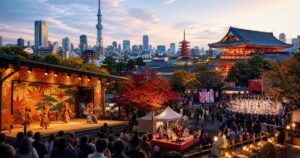
The Tsurugaoka Hachimangu Reitaisai is the annual grand festival of Tsurugaoka Hachimangu Shrine in Kamakura, held every year from September 14 to 16. For international readers seeking a clear overview, the festival unfolds over three days, each marked by distinct rites and culminating in the celebrated yabusame, or horseback archery, on the final day. The official Japan National Tourism Organization confirms these dates and the sequence of events, making this one of the most anticipated autumn festivals in the Kanto region.
Key Facts: The Sequence of Rites from September 14 to 16
The Reitaisai follows a traditional structure, with each day dedicated to specific ceremonies and performances. The official tourism source outlines the following sequence:
- September 14: The festival opens with rituals at the shrine, including offerings and prayers to the deities. This day sets the spiritual tone for the festival, focusing on purification and preparation.
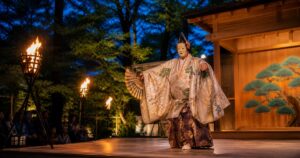
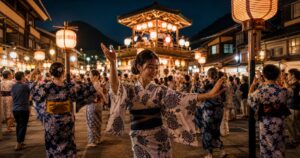
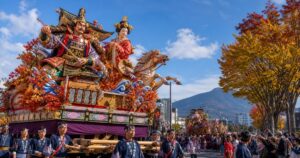
- September 15: The second day features a tea ceremony in honor of the shrine’s deities and performances of traditional Japanese dances. A parade of portable shrines, known as mikoshi, winds through the streets, accompanied by music and festive celebrations.
- September 16: The final day is dedicated to yabusame, a ritual of horseback archery. Archers in traditional samurai attire ride at full gallop along a 250-meter course, aiming at three wooden targets. This event draws large crowds and is the highlight of the festival.
Cultural and Historical Background
Tsurugaoka Hachimangu Shrine is a significant Shinto site in Kamakura, with a history dating back to the late 12th century. The Reitaisai festival reflects centuries-old traditions that have been preserved and adapted over time. Yabusame, the featured event, originated as a martial skill during the Kamakura Period (1185–1333) and was later refined during the Edo Period (1603–1868) when Japan experienced long stretches of peace. The festival itself serves as a living link to these historical eras, allowing visitors to witness rituals that have shaped Japanese cultural identity.
Understanding Yabusame and Other Rituals
Yabusame is a form of mounted archery where archers, dressed in period-accurate samurai hunting outfits, shoot arrows at targets while riding at high speed. The skill required for yabusame is considerable, combining horsemanship, concentration, and marksmanship. According to the official tourism source, three targets are placed along the course, and the archer must hit each one in succession. Yabusame is not only a demonstration of martial prowess but also a religious offering, intended to please the deities and pray for peace and prosperity.
Other rituals during the festival, such as the tea ceremony and traditional dances, are performed as acts of devotion. The mikoshi parade involves carrying portable shrines through the streets, symbolically transferring the shrine’s deity to bless the local community. These events are open to public viewing, but participation is typically limited to those with official roles or invitations.
Documented Facts Versus Tradition
The official schedule and sequence of events are confirmed by the Japan National Tourism Organization and the shrine’s own communications. While the precise details of each ritual may vary slightly from year to year, the structure of the festival—opening rites, cultural performances, mikoshi parade, and yabusame—remains consistent. Some aspects, such as the spiritual significance of offerings or the exact choreography of dances, are rooted in tradition and may not be fully explained in public sources. Visitors can observe these rituals but should be aware that some meanings are reserved for practitioners and the local community.
It is important to note that while yabusame is the most visible and widely promoted event, the earlier days of the festival are equally significant in the context of Shinto practice. The festival as a whole is a blend of documented historical practices and living tradition.
Respectful Practical Guidance for Visitors
Visitors are welcome to attend the public portions of the Reitaisai festival, especially the yabusame event, which is held in a designated area of the shrine grounds. The official tourism source recommends arriving early, as the horseback archery draws large crowds. Photography is generally permitted, but visitors should avoid obstructing participants or entering restricted areas. The mikoshi parade and traditional performances can be viewed along the main approach to the shrine, with clear signage and staff on hand to guide attendees.
Tsurugaoka Hachimangu Shrine is easily accessible from Kamakura Station, a 10-minute walk away. The festival is held outdoors, so appropriate attire for early autumn weather is advised. As with all religious events in Japan, visitors are asked to behave respectfully, refraining from loud conversation, flash photography during rituals, or attempting to participate in ceremonies without invitation. The festival is a community event as well as a tourist attraction, and observing local customs ensures a positive experience for all.
Limits of Available Information
The sequence of rites and major events from September 14 to 16 is confirmed by the official Japan National Tourism Organization and Tsurugaoka Hachimangu Shrine sources. However, detailed daily timetables, specific participant roles, and internal religious meanings are not always published in advance. Festival dates and schedules are subject to change due to weather or other circumstances, and visitors are advised to check official announcements 72 hours before attending. The information provided here is based on the most recent official updates and does not include unpublished or speculative details.