The Kakunodate Festival in Akita Prefecture is a rare example of a Japanese festival shaped equally by both Shinto and Buddhist traditions. Unlike most festivals, which are typically associated with either a shrine or a temple, the Kakunodate Festival is jointly organized by both religious institutions. This unique collaboration is at the heart of what makes the event so distinctive and meaningful to the local community and visitors alike.
What Makes the Kakunodate Festival Unique?
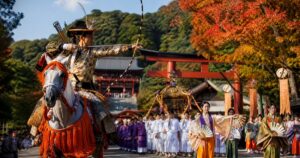
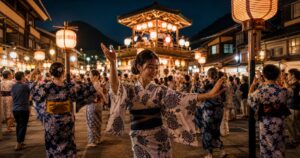
The Kakunodate Festival, held annually in early September, is recognized for its vibrant floats, traditional music, and dramatic street performances. According to the official tourism authority, the festival features eighteen elaborately decorated floats, known as hikiyama, each standing about four meters tall. These floats are pulled through the historic streets of Kakunodate by teams of young men, while women in colorful kimono perform traditional dances. The entire town becomes a stage for this celebration, with participants donning special festival attire unique to the event.
Joint Organization: Shrine and Temple Working Together
One of the most remarkable aspects of the Kakunodate Festival is its joint management by both a local Shinto shrine and a Buddhist temple. This partnership has existed since the festival’s origins in the 1600s. During the festivities, prayers are offered to both the divine spirits revered in Shinto and the spirit of Buddha, reflecting the coexistence of these two faiths in the region. This dual religious involvement is not only rare but also a testament to the community’s historical and cultural openness.
Historical and Cultural Context
The tradition of combining Shinto and Buddhist elements in the Kakunodate Festival dates back over 400 years. Kakunodate itself is known as “Little Kyoto of Tohoku” for its well-preserved samurai district and centuries-old town layout. The festival’s roots in the Edo period are evident in the figures of samurai and kabuki actors that adorn the floats. Over time, the event has evolved into a symbol of local identity, with both religious institutions maintaining their roles in shaping the festival’s rituals and processions.
Documented Facts and Living Traditions
Official sources confirm that the Kakunodate Festival was designated a National Important Intangible Folk Cultural Property in 1991 and recognized as a UNESCO Intangible Cultural Heritage in 2016. The festival’s musical floats each have their own melodies and traditions, reflecting the distinct contributions of the shrine and temple. The highlight of the festival is the dramatic float clashes, where teams negotiate for right of way, pushing and maneuvering their floats through the narrow streets. This spectacle is both a test of strength and a display of community spirit.
Why Do Shinto and Buddhism Pull the Same Floats?
The joint participation of Shinto and Buddhist institutions in the Kakunodate Festival is rooted in the historical blending of religious practices in Japan. For centuries, local communities often relied on both shrines and temples for spiritual guidance, protection, and blessings. In Kakunodate, this cooperation became formalized in the festival’s organization. The floats are pulled in honor of both deities and the Buddha, and the rituals performed reflect the dual heritage. This arrangement is not a matter of convenience but a living tradition that continues to define the festival’s character.
Respectful Visitor Guidance
Visitors to the Kakunodate Festival are encouraged to observe and enjoy the festivities without interfering with the processions or rituals. The festival takes place near Kakunodate Station, with the main events occurring from September 7 to 9. The town is accessible by JR Akita Shinkansen, making it convenient for travelers. While photography is generally allowed, it is important to be mindful of participants and avoid obstructing the floats or dancers. The festival is a time of deep cultural significance for the community, and respectful behavior is expected from all attendees.
Limits of Documentation and Interpretation
All information presented here is based on official tourism and municipal sources. While the festival’s joint religious organization is well documented, some aspects of its origins and evolution are preserved through oral tradition and local practice. Visitors should note that schedules and details may change; it is essential to check official sources for the latest updates before planning a visit. The festival’s recognition by both national and international bodies underscores its importance, but its living traditions are best appreciated in person and with respect for local customs.
Experiencing Kakunodate Beyond the Festival
While the Kakunodate Festival is a highlight of the town’s cultural calendar, Kakunodate itself offers much to explore. The ruins of Kakunodate Castle, located nearby, provide panoramic views of the town and the Hinokinai River. The well-preserved samurai residences and seasonal natural beauty make Kakunodate a rewarding destination at any time of year. However, during the festival, the town’s unique blend of Shinto and Buddhist traditions is on full display, offering visitors a rare glimpse into Japan’s complex religious and cultural heritage.