English Version
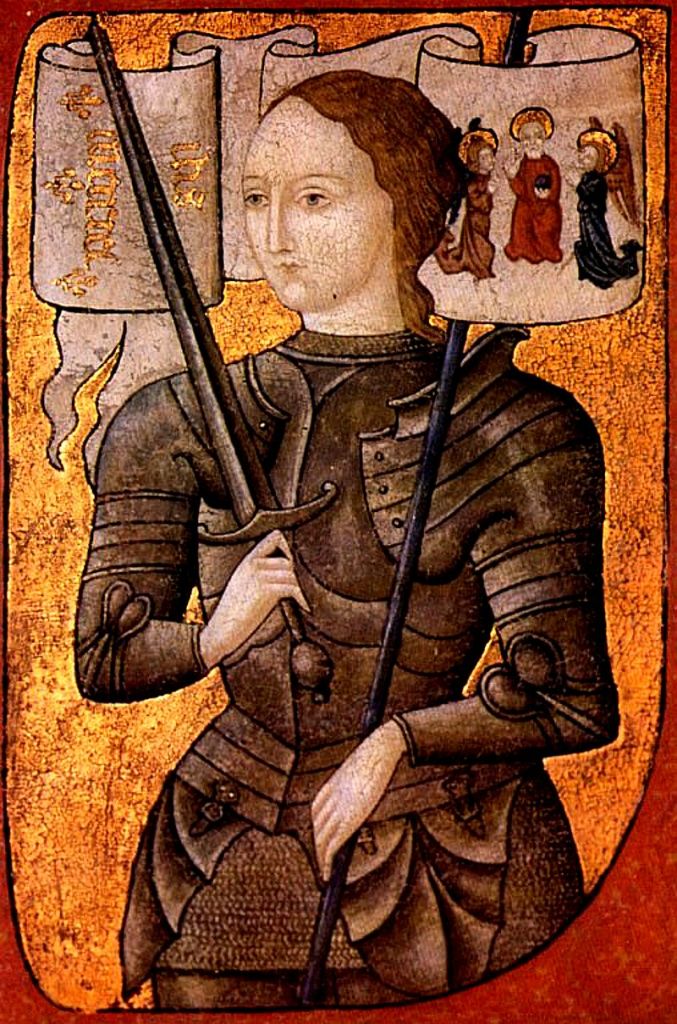
When people think of Joan of Arc, they often picture a national heroine of France, a battlefield saint who helped lead the French army to victory, and a tragic young woman executed at only 19 years old.
Her life was extraordinary, but the most unjust part may have been the period from her famous heresy trial to her execution. According to many retellings of the case, Joan’s death was surrounded by traps and political pressure that made the outcome feel decided from the start.
Here are eight of the most disturbing points often raised about the trial that condemned her.
1. The Trial Was Led by a Judge With Questionable Authority
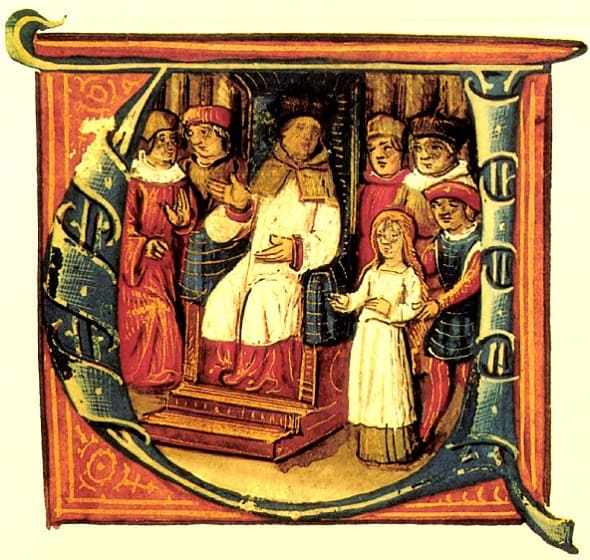
The heresy trial against Joan was led by the cleric Pierre Cauchon.
The problem, according to this account, was that Cauchon did not have proper judicial authority to act as the presiding judge. In other words, the very foundation of the trial was already suspect.
During the proceedings, Joan requested rights that should have been legitimate, including an appeal to the pope and confession, the religious rite for receiving absolution. Cauchon repeatedly rejected these requests, treating them as attempts to interfere with his trial.
From the beginning, the proceedings appeared to reflect the wishes of the English side, which wanted Joan found guilty.
2. There Was No Solid Physical Evidence or Testimony
Joan’s heresy trial began without enough physical evidence or testimony to clearly prove her guilty.
As noted above, the trial itself was also placed in the hands of a supposedly improper judge. That meant the case lacked not only convincing evidence, but also a firm legal foundation.
The principle of “innocent until proven guilty” is familiar today, but in Joan’s case, even the suspicion against her was uncertain.
3. She Was Not Given the Right to a Lawyer
To make a trial fair, even the most serious defendants are usually given the right to legal counsel.
Joan was not granted that right.
No matter how strongly she insisted on her innocence, she was left to defend herself in a setting where her words could easily be dismissed as excuses.
4. Almost Everyone in the Room Was Her Enemy
At Joan’s first heresy hearing, nearly everyone present was connected to the enemy side, England.
There was no one openly sympathetic to Joan. She had no real ally in the room.
Even the few people who might have been considered friendly to her were reportedly threatened by the English side and forced to participate under pressure. According to this account, they were warned that resisting could mean death.
5. A Question That Made Her Guilty Either Way
One of the most famous traps involved a question about whether Joan had received God’s favor or grace.
In church doctrine, it was said that humans could not truly know whether they were in God’s grace. If Joan answered “yes,” she could be accused of contradicting doctrine and therefore treated as a heretic.
If she answered “no,” she could be portrayed as someone who had acted in war for her own purposes rather than by God’s will.
Either answer could be used against her. Many questions like this were reportedly put to Joan during the trial.
6. The Trial Records Were Altered
Even the court records, which should have faithfully preserved what happened, were allegedly altered in ways that disadvantaged Joan.
The most famous example involves a document she was made to sign. She was reportedly told it was a sworn statement, but the document actually said that she admitted to heresy. In practice, it was close to signing her own death sentence.
Joan could not read or write well enough to understand the contents, so she believed the false explanation given to her and signed it.
7. The Trap of “Men’s Clothing” Became the Final Evidence
Under the rules of heresy trials, a person was not usually executed simply for being found guilty. Execution came when someone repented of heresy and then committed heresy again.
So even after Joan was found guilty, she was not immediately sentenced to death. According to this account, another trap was set to make execution possible.
As a condition after the trial, Joan agreed to stop wearing the men’s clothing she had worn until then. But when she returned to her cell, she was not given any women’s clothing.
The English side, in effect, forced her back into men’s clothing by giving her no other option.
Joan protested, but her complaint was ignored. Eventually, when she had no choice but to leave her cell, she went out wearing men’s clothing again.
That was treated as proof that she had “committed heresy again,” and it became the decisive reason for the death sentence.
8. Her Men’s Clothing Had Already Been Approved
Joan’s use of men’s clothing was reportedly accepted before the heresy trial for several reasons: it was practical on the battlefield, her role was one usually carried out by men, and it helped protect her from sexual harassment by men around her.
When questioned about why she had worn it again, Joan firmly argued that it had been an act approved by the Church.
That argument was also rejected. She was sentenced to be burned at the stake as a heretic.
Even If She Had Been Found Not Guilty
According to this account, Joan’s execution was already planned even if the heresy trial failed to convict her.
A letter sent by England to the French side reportedly stated that if Joan was not found guilty, England would judge her by its own authority.
In other words, her conviction and execution may have been decided before the trial even began.
The Eight Traps
Joan of Arc’s trial is remembered as one of history’s most infamous miscarriages of justice. The eight traps described here were:
- A heresy trial led by a judge with questionable authority
- A trial that began without clear physical evidence or testimony
- The denial of her right to legal counsel
- A courtroom filled almost entirely with enemies, including people under threat
- Cleverly worded questions designed to make her guilty either way
- Altered court records and a false explanation of the document she signed
- The forced return to men’s clothing that sealed the death sentence
- England’s apparent intention to execute her even if she was not convicted
It is said that just before she died in the flames, Joan of Arc continued crying out, “Jesus! Jesus!”
Even after such an unjust ordeal, she remained faithful until the very end. That unwavering conviction is one reason her story still inspires awe, grief, and anger centuries later.
Japanese Language
ジャンヌ・ダルクといえば、。フランスの歴史的・国民的なヒロイン フランス軍に勝利をもたらした戦場の女神 19歳で処刑された悲劇の女性 という、偉人という以上に、悲しいイメージが感じられませんか?。死後に聖人と認められた彼女の人生は、おそらく歴史上のどの偉人よりも壮絶です。その人生の中でも最も理不尽だったのは、 有名な異端審問から最期の処刑までの時期。。ジジャンヌの処刑には、 どうあがいても有罪確定の「出来レース」と言うべき、いくつもの罠と陰謀が張り巡らされていました。
。その憤りを感じずにはいられない「8つの罠」について、詳しく見ていきましょう。司法権を持たない裁判長が審理を進めた。 出典: Wikipedia「ピエール・コーション」 ジャンヌの異端審問を主導したのは、ピエール・コーションという聖職者でした。実は彼、正当な司法権を持っておらず、 裁判長であること自体があり得ない状況だった のです。
ジャンヌが審理中に望んだ、。教皇への請願 告解(罪の赦しを得るための儀礼) といった正当な権利を、コーションは「自分の審理を妨げる行為」として却下し続けました。こうして、ジャンヌを有罪にしたいイングランドの思惑まる出しの、 誰が見ても出来レースの裁判が開かれたのです…。。物的証拠、証言無し。 出典: Wikipedia「ジャンヌ・ダルク」 ジャンヌの異端審問は、 彼女を有罪と認めるほどの物的証拠も証言も無い まま開かれています。
しかも先に書いた通り、偽りの裁判長に審理を任せるなど 正当な法的根拠もありません。。「疑わしきは罰せず」といいますが、そもそもその疑い自体があやふやだったのです。弁護士をつける権利を与えられなかった。 出典: Wikipedia「ジャンヌ・ダルク」 裁判を公平に進めるため、どれだけ凶悪な犯罪者であっても弁護士をつける権利が与えられます。
ジャンヌには、この 弁護士をつける権利さえ与えられていませんでした。。ジャンヌがいくら無罪を主張しても、ただの言い訳にしか聞こえない状況でした。出席者ほぼ全員、敵。 出典: Wikipedia「ジャンヌ・ダルク」 ジャンヌの初回の異端審問に出席した人物は、 ほぼ全員が敵国(イングランド)側の者ばかり。。ジャンヌに同情する者すらおらず、彼女の味方は誰一人いませんでした。
数少ない味方と思われた人物さえ、 イングランド側から 「逆らったら死刑」と脅迫され、強制的に参加させられていた のです。。「神の寵愛を受けていたか?」⇒「はい」でも「いいえ」でも有罪確定。 出典: Wikipedia「ジャンヌ・ダルク」 教会の教理では、「人間は神の寵愛を認識できない」とされています。つまりこの質問に「はい」と答えたら、 教理に則っていないとして異端確定。
。「いいえ」と答えたら、神の意思ではなく 自身の都合で戦争を起こした犯罪者 とされ、どちらにしろ有罪(死刑)確定だったのです。このような仕組まれた質問が、ジャンヌにはいくつも投げかけられていました。裁判記録の改ざん。 出典: Wikipedia「ジャンヌ・ダルク」 起こったことを忠実に書き留めるはずの裁判記録さえ、 ジャンヌが不利になるよう改ざんされています。
。最も有名な改ざんは、 「宣誓供述書」と嘘をつき、「異端を認める」と書かれた、 実質死刑宣告の書類に署名をさせたこと。。ジャンヌは読み書きができず、書類に書かれた内容を理解できず、口で伝えられた嘘を信じて署名をしてしまったのです。処刑の決め手となった「男装」の罠。 出典: Wikipedia「ジャンヌ・ダルク」 異端の罪で死刑となるのは、異端を悔い改めた後、再び異端の罪を犯した時だけです。
つまり異端審問で有罪となったジャンヌは、すぐに処刑を言い渡されたわけではありません。異端審問の終了後にも、 ジャンヌを処刑したいが為の罠が仕組まれています。。男装の強要。異端審問で有罪となったジャンヌは、審問終了の条件として「それまで行っていた男装をやめる」ことに同意しました。しかし独房に戻った後、 ジャンヌには女装のための衣服が一切与えられず、 イングランド側は遠回しに男装を強要します。。ジャンヌはこのことを訴えましたが、イングランド側は当然のように無視。
いずれ牢の外に出ざるを得ない状況になり、やむなく男装で外に出たところ、。「 再び異端の罪を犯した 」。とされ、これが死刑判決の決定的な理由・証拠となったのです。ジャンヌの男装は、公的に認められていた。ジャンヌの男装は、。戦場に相応しい装いだったこと ジャンヌの役割は、通常男性が行うものだったこと 男性からの性的嫌がらせを防ぐこと などを理由に、 異端審問以前から正式に認められていた とされています。。再び男装した理由を問われたジャンヌは、毅然と「教会から認められた行為だった」と主張します。
この反論もやはり却下され、 異端者として火刑に処されることになったのです。。万が一、有罪判決が出なくても…。 出典: Wikipedia「ジャンヌ・ダルク処刑裁判」 ジャンヌが異端審問で有罪にならなくても、彼女の処刑は決定していました。イングランドがフランス側に送った書簡には、。「ジャンヌが有罪にならなかった場合、 イングランドは独自の判断で彼女を裁く 」。
と書かれていたのです。ジャンヌの有罪と処刑は、そもそも異端審問以前から決まっていたのです。。まとめ。どうあがいても覆せない、8つの罠 偽りの裁判長による異端審問 物的証拠と証言無く始まった裁判 弁護士をつける権利の剥奪 脅されていた人物含み、裁判の出席者は全員敵 有罪を確定させる為だけの、言葉巧みな質問の数々 裁判記録の改ざんと、嘘の書類への署名 死刑を確定させる男装の強要 有罪にならなくても処刑を確定させたい、イングランドの思惑 火刑によって亡くなる直前まで、ジャンヌ・ダルクは、。
「イエス様!イエス様!」。と叫び続けたそうです。ここまで理不尽な行為を受けてなお、 最期の最期まで聖人であり続けた のです。。この揺るぎない信念には、同じ人間として尊敬を感じずにはいられませんね