The Kita City Fireworks Festival is a celebrated autumn event in Tokyo, drawing visitors to the banks of the Arakawa River for a display of over 10,000 fireworks shells. This festival stands out for its careful choreography, integrating fireworks, moving lights, and music into a single, synchronized spectacle. For international visitors seeking to understand how such a large-scale riverside event is staged, the following sections provide a clear, factual overview based on official public tourism sources.
How the Kita City Fireworks Festival Is Staged
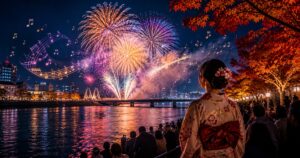
The festival takes place along the Arakawa River, a location chosen for its accessibility from central Tokyo—within about an hour’s travel. The event is organized to maximize both safety and spectacle, with designated viewing areas and paid reserved seats available on the Akabane side of the river, specifically aimed at international tourists. The fireworks are produced and launched by Marugo, a manufacturer renowned as the “magician of fireworks.” According to official sources, approximately 10,000 shells are launched during the event, making it one of the largest autumn fireworks displays in Tokyo.
The show is carefully choreographed: fireworks are synchronized with moving lights and music, creating a coordinated visual and auditory experience. This synchronization is achieved through precise timing and planning, with each segment of the show designed to match the rhythm and mood of the accompanying music. The result is a seamless blend of pyrotechnics and performance art, offering a unique entertainment experience for all attendees.
Key Facts: Timing, Location, and Scale
The Kita City Fireworks Festival is held in September, as confirmed by the official Tokyo tourism guide. The event’s riverside location along the Arakawa River provides ample space for large crowds while maintaining clear sightlines for the fireworks. The use of around 10,000 shells is a defining feature, distinguishing this festival from smaller displays in the region. The festival’s scale and coordination require significant logistical planning, including crowd control, safety measures, and technical setup for synchronized lighting and sound.
Paid reserved seating is available, especially on the Akabane side, to accommodate international visitors and ensure a comfortable viewing experience. The event is typically accessible by public transportation, with guidance provided by the official tourism authority. Weather conditions in September can be variable, with lingering summer heat and the possibility of rain or typhoons, so visitors are advised to prepare accordingly and monitor official updates for any changes or cancellations.
Cultural and Historical Context of Fireworks in Tokyo
Fireworks, or hanabi, have a long-standing tradition in Japan, often marking seasonal transitions and community celebrations. While summer is the peak season for fireworks festivals, the Kita City Fireworks Festival is notable for taking place in early autumn, allowing visitors to enjoy both the lingering warmth of summer and the onset of autumnal festivities. Japanese fireworks are internationally recognized for their artistry and technical innovation, and events like this showcase the latest developments in pyrotechnic design and performance.
The festival’s use of music and moving lights alongside traditional fireworks reflects a broader trend in Japanese festivals to blend heritage with modern entertainment. The involvement of skilled artisans, such as Marugo, highlights the importance of craftsmanship in creating memorable displays. These events are not only visual spectacles but also opportunities for communities to gather and celebrate in a shared public space.
Documented Facts Versus Tradition
The official Tokyo tourism guide provides clear, factual information about the festival’s timing, location, and scale. The number of shells, the involvement of Marugo, and the use of synchronized lighting and music are all confirmed by the primary source. While the festival draws on centuries-old traditions of fireworks in Japan, the specific format—combining pyrotechnics with modern lighting and sound technology—reflects contemporary event staging rather than historical practice alone.
Traditional elements, such as the communal gathering and appreciation of fireworks, remain central to the experience. However, the technical complexity and entertainment focus of the Kita City Fireworks Festival are products of recent innovation, designed to appeal to both local and international audiences. The event’s organization and visitor guidance are based on current public safety standards and tourism best practices.
Practical Guidance for International Visitors
International visitors are encouraged to use official sources for the most up-to-date information regarding event dates, seating availability, and access details. The festival is designed to be welcoming and accessible, with specific provisions for non-Japanese-speaking guests, such as reserved seating and clear signage. Visitors should respect all designated viewing areas and follow local guidance to ensure a safe and enjoyable experience for everyone.
It is important to note that weather in September can be unpredictable, with the possibility of high temperatures, humidity, and sudden rain or typhoons. Bringing appropriate rain gear and checking official updates in the days leading up to the event is recommended. The festival’s riverside setting means that large crowds are expected, so early arrival and adherence to event staff instructions are advised. Photography is generally permitted, but visitors should be mindful of others and avoid obstructing views or pathways.
While the Kita City Fireworks Festival offers a spectacular introduction to Japanese fireworks culture, attendees are reminded to enjoy the event respectfully and avoid disruptive behavior. The festival is a public celebration that balances tradition, artistry, and modern entertainment, providing a memorable highlight for anyone visiting Tokyo in September.