Tokyo Festival 2026 transforms the entire city into a stage for performing arts from September 1 to November 3. For international visitors planning a trip, this means a rare opportunity to experience theater, dance, and performance art in venues and public spaces across Tokyo. The festival is officially recognized and promoted by the Tokyo Convention & Visitors Bureau, making it a reliable highlight for autumn travel. Events are scheduled throughout the city, so visitors can plan their itinerary around performances and related activities in multiple neighborhoods.
What Is Tokyo Festival 2026?
Tokyo Festival 2026 is an urban performing arts festival that aims to develop Tokyo as an international platform for the performing arts. The festival runs from September 1 to November 3, 2026, and is held citywide. It is not limited to a single venue or district; instead, it spreads performances and events throughout Tokyo. This approach allows both residents and travelers to encounter performing arts in diverse settings, from major theaters to outdoor spaces and cultural institutions.
Key Facts: Dates, Locations, and Program Structure
The official festival period is September 1 to November 3, 2026. Events take place across Tokyo, with no single central venue. The program includes over 100 different works, selected from open-call entries, ensuring a wide variety of genres and styles. Notable components include the international performing arts festival “Autumn Meteorite 2026 Tokyo,” and “Performing Arts Base,” a free showcase presented by Tokyo International Forum and MoN Takanawa: The Museum of Narratives. Additional collaborations with local theater festivals further expand the festival’s reach and diversity.
How the Festival Spreads Across Tokyo
Unlike traditional festivals that focus on a single location, Tokyo Festival 2026 is designed to be citywide. Performances and events are distributed throughout Tokyo’s neighborhoods, including central areas like Ginza, Shibuya, Shinjuku, and Ikebukuro, as well as less-visited districts. This distribution allows visitors to explore different parts of the city while engaging with the festival’s offerings. The festival’s structure encourages movement and discovery, making it possible to combine sightseeing with attendance at multiple events.
Understanding the Cultural Context
Performing arts festivals have a long tradition in Japan, but Tokyo Festival is a modern, international-facing event. It is organized in collaboration with local theater festivals, reflecting both global and local influences. The inclusion of open-call performances means that emerging artists and experimental works share the stage with established productions. This mix is intended to showcase the diversity and vitality of contemporary performing arts in Tokyo.
Key Terms and Traditions
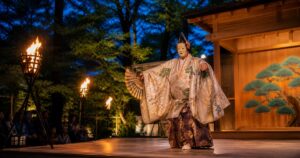
- Noh: A form of classical Japanese musical drama, often performed outdoors during seasonal events.
- Kyogen: A traditional Japanese comic theater, frequently paired with Noh in festival settings.
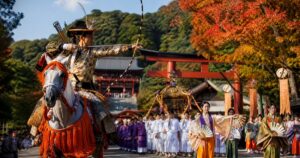
- Mikoshi: A portable shrine carried during festival processions, seen in events like the Nezu-jinja Shrine Annual Grand Festival.
While these traditional forms are featured in some September events, Tokyo Festival 2026 primarily focuses on contemporary and international performing arts.
Documented Facts Versus Local Tradition
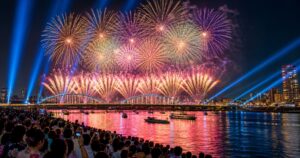
All dates, venues, and program details for Tokyo Festival 2026 are based on official announcements from the Tokyo Convention & Visitors Bureau. The festival’s citywide format and schedule are confirmed for 2026. Traditional events such as fireworks festivals, shrine processions, and seasonal flower displays also take place in September, but they are distinct from the Tokyo Festival’s performing arts focus. Visitors should distinguish between the official Tokyo Festival program and other simultaneous seasonal events.
How to Plan Around the Citywide Program
To make the most of Tokyo Festival 2026, start by checking the official program and performance calendar. Since events are spread across the city, consider staying in a central location with easy access to Tokyo’s extensive public transportation. Many performances require advance reservations, while others, like the “Performing Arts Base” showcases, are free and open to the public. The festival’s website and the official Tokyo travel guide provide updated information on schedules, venues, and ticketing.
Weather in September can be hot and humid, with average highs around 30.9℃ (87.6℉) and frequent rain. Typhoons are possible, so pack rain gear and check local news for weather updates. Comfortable walking shoes and a light jacket are recommended for moving between venues.
Respectful Participation and Practical Guidance
When attending performances, follow local etiquette: arrive on time, avoid disruptive behavior, and respect photography or recording restrictions. Some venues may have specific rules regarding food, drink, or seating. If attending events at shrines or traditional sites, observe posted guidelines and avoid entering areas reserved for participants or religious rituals.
Tokyo Festival 2026 is designed to be accessible to international visitors, with some performances and information available in English. However, not all events may offer translation or multilingual support. If you have accessibility needs, check with individual venues in advance.
For up-to-date details, consult the official Tokyo travel guide and the festival’s own channels. Event dates, venues, and programs may be subject to change or cancellation due to weather or other factors, so reconfirm plans shortly before your visit.