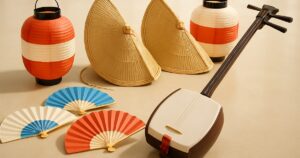
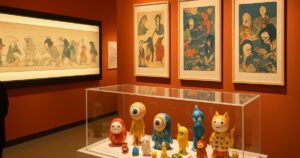
This summer, two islands in Japan—Oboke in Tokushima and Shodoshima in Kagawa—are united by a special yokai pop-up event. Running from July 21 to August 30, 2026, this collaboration invites visitors to experience both the legendary home of Konaki-Jijii and the innovative Yokai Art Museum. This article compares how each site preserves yokai culture, clarifies the origins of Konaki-Jijii, and offers guidance for international visitors interested in Japan’s supernatural heritage.
Key Facts
- Event: Oboke and Shodoshima Yokai Pop-Up Store (July 21 – August 30, 2026)
- Locations: Michi-no-Eki Oboke (Tokushima) and Yokai Art Museum (Shodoshima, Kagawa)
- Concept: Each site features a pop-up store selling original yokai-themed goods from the other, encouraging exploration of both regions.
- Konaki-Jijii: A legendary yokai associated with Oboke, featured in traditional displays and modern artistic interpretations.
- Preservation Models: Oboke focuses on regional folklore; Shodoshima fosters contemporary yokai creativity and international outreach.
Cultural and Historical Background
Yokai are supernatural beings, spirits, or phenomena from Japanese folklore. They often represent the mysteries of nature, unexplained events, or serve as cautionary figures. The Konaki-Jijii (literally, “Old Man Who Cries Like a Child”) is a yokai said to haunt the mountainous region of Oboke in Tokushima. According to tradition, this spirit lures travelers by crying like an infant; when picked up, it becomes impossibly heavy, trapping the victim. Such tales are part of the region’s intangible cultural heritage, passed down through generations.
Oboke’s connection to Konaki-Jijii is preserved at the Yokai Yashiki (Yokai House) within Michi-no-Eki Oboke, a roadside station that introduces visitors to local legends through displays and storytelling. This approach maintains a living link to the past, ensuring that regional folklore remains accessible to new generations and visitors alike.
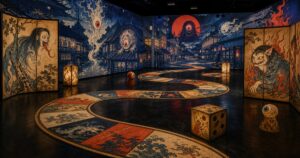
Shodoshima, meanwhile, is home to the Yokai Art Museum, located in the island’s historic “Maze Town.” Rather than focusing solely on ancient tales, the museum collects and exhibits over 1,000 modern yokai sculptures and paintings. These works reinterpret traditional themes and invent new creatures, reflecting the evolving imagination of Japanese artists. The museum’s mission is to share the spirit of yokai with the world, promoting cultural diversity and tolerance through art.
Documented Facts Versus Tradition
The Konaki-Jijii legend is specifically tied to Oboke in Tokushima. Visitors can learn about this folklore at the Yokai House, which curates exhibits based on regional stories. This site is dedicated to the preservation of local beliefs and their historical context, rather than contemporary art.
In contrast, Shodoshima’s Yokai Art Museum does not claim to be the birthplace of traditional yokai legends. Instead, it serves as a creative hub where artists reinterpret and expand upon the concept of yokai. The museum’s collection includes works inspired by Konaki-Jijii, but these are modern artistic expressions, not direct continuations of the original folklore. This distinction is important: Oboke preserves tradition as living heritage, while Shodoshima cultivates innovation and artistic dialogue.
The summer pop-up event bridges these approaches, allowing visitors to appreciate both the historical roots and contemporary vitality of yokai culture. During the event, each site features a selection of the other’s goods and some artistic cross-displays, but their core collections remain distinct.
Comparing Two Models of Cultural Preservation
| Aspect | Oboke (Tokushima) | Shodoshima (Kagawa) |
|---|---|---|
| Focus | Regional folklore and oral tradition | Contemporary yokai art and creativity |
| Main Attraction | Yokai House, Konaki-Jijii legend | Yokai Art Museum, modern yokai exhibitions |
| Preservation Method | Storytelling, local displays, educational exhibits | Artistic reinterpretation, large-scale collection, international outreach |
| Visitor Experience | Learning about local legends in their original setting | Exploring hundreds of unique yokai artworks in a maze-like town |
Interpretation: Why Does This Matter?
Japan’s yokai culture is dynamic and multifaceted. While legends like Konaki-Jijii anchor communities to their history, contemporary artists and curators ensure these stories remain relevant. The Oboke–Shodoshima pop-up event exemplifies how tradition and innovation can coexist, offering visitors a holistic view of Japanese supernatural heritage. For international guests, this is a chance to see how folklore adapts to modern sensibilities without losing its core meanings.
By experiencing both the storytelling of Oboke and the creativity of Shodoshima, visitors gain insight into two complementary approaches: one rooted in place and memory, the other in imagination and reinterpretation. This duality is at the heart of Japan’s enduring fascination with yokai.
Respectful Visiting Guidance
- Both Michi-no-Eki Oboke and the Yokai Art Museum are open to the public during regular hours. Check official sources for up-to-date schedules before visiting.
- Photography policies and access to certain exhibits may vary; always follow staff instructions and posted guidelines.
- These sites are cultural institutions—please treat displays, staff, and local communities with respect.
- Do not attempt to seek out or enter private or sacred areas associated with yokai legends unless explicitly permitted.
- Support preservation efforts by purchasing goods at official pop-up stores or museum shops, which directly benefit local initiatives.
FAQ
- Is Konaki-Jijii a real historical figure?
Konaki-Jijii is a figure from regional folklore, not a documented historical person. The legend is specific to the Oboke area and preserved through storytelling and local exhibits. - Can I see traditional and modern yokai art at both locations?
Oboke’s Yokai House focuses on traditional legends and displays, while Shodoshima’s Yokai Art Museum specializes in contemporary yokai art. During the pop-up event, each site hosts a selection of the other’s goods and some artistic cross-displays, but their core collections remain distinct. - Are there guided tours or English explanations available?
Official sources recommend checking with each facility for the latest information on language support and tours. The Yokai Art Museum offers a smartphone guide app for visitors, which may include English options.