September is a prime month for international travelers interested in Japan’s motorsport scene. The official Japan National Tourism Organization (JNTO) confirms that motor sports events take place at major circuits such as Suzuka Circuit in Mie Prefecture and Twin Ring Motegi in Tochigi Prefecture during this period. For visitors, this means a unique opportunity to experience Japanese circuit culture as part of a broader September travel itinerary, when crowds are thinner and the weather, though sometimes unpredictable, is generally favorable.
Key Facts: Motorsport Events in September
The JNTO guide for September highlights that motorsport events are scheduled at Suzuka and Motegi circuits. These venues are among Japan’s most prominent for contemporary racing, regularly hosting a variety of events from national championships to international competitions. The timing aligns with the end of summer holidays, so both circuits and surrounding attractions are less crowded, making it easier for travelers to secure tickets and accommodations.
While the guide does not specify exact race dates, it emphasizes that September is an active month for motorsport fans. Visitors are advised to check for the latest updates on event schedules and potential cancellations, as typhoon season can affect plans. Official circuit websites and the JNTO event calendar provide the most current information.
Cultural and Historical Context of Japanese Motorsport
Motorsport in Japan is a relatively modern tradition, with circuits like Suzuka and Motegi representing the country’s embrace of global racing culture. Suzuka Circuit, opened in 1962, is renowned for its challenging figure-eight layout and has hosted major international events. Twin Ring Motegi, established in 1997, features both an oval and a road course, reflecting Japan’s interest in diverse motorsport formats.
Unlike sumo or traditional festivals, motorsport is not rooted in centuries-old rituals but has become a significant aspect of Japanese leisure and entertainment. The circuits themselves are destinations, offering not just races but also theme park attractions, museums, and family-friendly activities. This integration of motorsport with broader recreational experiences is characteristic of Japan’s approach to contemporary sports culture.
Documented Facts Versus Tradition
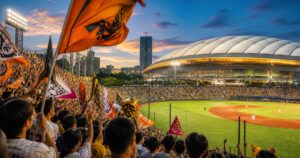
According to the official JNTO sources, motorsport events in September are a documented part of Japan’s seasonal calendar. The guide places these events alongside other major September attractions, such as baseball games and sumo tournaments, indicating their recognized status within the national leisure landscape.
Unlike traditional festivals, which often have religious or agricultural origins, motorsport events are secular and commercial. However, they have developed their own subcultures, including dedicated fan communities, merchandise, and rituals such as cheering and team support. The circuits’ locations in Mie and Tochigi also allow travelers to explore regional culture, cuisine, and scenery as part of their motorsport experience.
How September Travel Connects to Japanese Circuit Culture
Traveling to Japan in September offers a distinct connection to circuit culture for several reasons. First, with the end of the summer holiday period, visitor numbers decrease, making it easier to enjoy both the races and the facilities at Suzuka and Motegi. This period also coincides with the start of autumn in northern regions, so travelers can combine motorsport events with seasonal activities like hiking or early autumn foliage viewing.
Motorsport fans can plan trips that include not only race days but also behind-the-scenes tours, pit walks, and visits to on-site museums. The circuits are accessible by public transportation, and both offer English-language guidance for international visitors. This accessibility reflects Japan’s broader commitment to welcoming overseas guests and integrating modern attractions into the travel experience.
For those interested in the broader context, September also features a range of other sports and cultural events, from sumo tournaments in Tokyo to local festivals throughout the country. This diversity allows travelers to tailor their itineraries to personal interests, whether focused on motorsport or exploring the full spectrum of Japanese seasonal culture.
Respectful Practical Guidance for International Visitors
When attending motorsport events at Suzuka or Motegi in September, international visitors should plan ahead by checking official event calendars for the latest schedules and ticketing information. As typhoons are most frequent in late August and September, it is wise to allow for flexibility in travel plans and monitor weather updates.
Both circuits offer a range of amenities, including food stalls, souvenir shops, and family areas. Visitors are encouraged to use public transportation where possible, as parking can be limited during major events. While Japanese motorsport crowds are passionate, they are also known for being orderly and respectful, and visitors are expected to follow local etiquette, such as queuing and keeping noise levels appropriate outside of cheering zones.
It is important to note that while the circuits are open to the public during events, certain areas such as pit lanes or team garages may be restricted. Travelers should observe all posted signs and staff instructions, and avoid entering areas not designated for spectators. Photography is generally permitted in public areas, but flash photography or obstructing views is discouraged.
By respecting these guidelines, international visitors can enjoy a seamless and memorable experience, connecting with Japanese circuit culture in a way that is both authentic and considerate of local practices.
Source Limits and Confirmed Observations
The information provided is based on the official JNTO guide for September and the associated event calendar. While these sources confirm the presence of motorsport events at Suzuka and Motegi, they do not specify individual race dates, ticket prices, or detailed access rules. Travelers are advised to consult the official circuit websites and the JNTO event listings for the most current and detailed information before making travel arrangements.
All observations regarding crowd levels, weather patterns, and event scheduling are drawn from the JNTO’s documented guidance. The guide emphasizes the importance of flexibility during typhoon season and highlights the advantages of September travel, including reduced crowds and the opportunity to experience both modern and traditional aspects of Japanese culture.