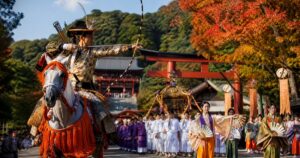
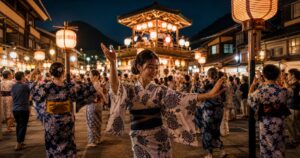
Mori no Takigi Noh at Shinjuku Gyoen offers a rare opportunity for international visitors to experience traditional Japanese Noh and kyogen performances outdoors, illuminated by torchlight. This annual event is held between September and October, with the garden staying open late to allow guests to enjoy the performances and the unique nighttime atmosphere of Shinjuku Gyoen. For those seeking to understand how to respectfully attend and appreciate open-air Noh, the following guidance is based on official tourism sources and event documentation.
What to Expect at Mori no Takigi Noh in Shinjuku Gyoen
During the Mori no Takigi Noh event, Shinjuku Gyoen National Garden transforms into an open-air theater. Traditional Noh drama and kyogen (a form of Japanese comedic theater) are performed on a stage set within the garden, with flaming torches providing atmospheric lighting. The event is scheduled for the evening, allowing visitors to experience the garden after dark—a rare occurrence, as Shinjuku Gyoen typically closes before nightfall. The combination of classical performance and the natural setting creates a distinct ambiance that is both serene and dramatic.
Open-Air Noh Etiquette: How to Attend Respectfully
Attending Mori no Takigi Noh requires awareness of certain etiquette to ensure a respectful and enjoyable experience for all. Visitors are expected to remain quiet during performances, as Noh relies on subtle vocal and instrumental cues. Conversations, phone use, and loud noises should be avoided. Photography and recording are generally discouraged or prohibited during the performance to preserve the atmosphere and respect performers and other guests. Official guidance may vary each year, so attendees should check event-specific instructions upon arrival or on the official event page.
Seating is typically arranged to provide a clear view of the stage. Visitors should follow staff directions when entering and exiting, and avoid moving around during the performance. Eating and drinking in the performance area are not customary, as the focus is on the performance and the tranquil setting. If seating is on the ground, bringing a small cushion or mat may be acceptable, but large items or obstructive objects should be avoided.
The Nighttime Atmosphere: Torches, Shadows, and Garden Ambience
The defining feature of Mori no Takigi Noh is its torchlit setting. Flaming torches cast a warm, flickering light over the stage and audience, enhancing the mystical quality of the performances. The surrounding garden, usually closed at night, becomes part of the experience, with shadows from trees and the distant city lights of Shinjuku creating a striking contrast. The air is often cooler than during the day, and the sounds of nature intermingle with the music and chanting of Noh, heightening the sense of being transported to another era.
This atmospheric environment is not only visually captivating but also deepens the connection between the audience and the centuries-old art form. The interplay of firelight and traditional costumes, along with the stylized movements of the actors, creates a memorable sensory experience unique to this event.
Cultural and Historical Context: Noh, Kyogen, and Seasonal Traditions
Noh is a form of classical Japanese theater that dates back to the 14th century, characterized by masked actors, poetic language, and minimalistic staging. Kyogen, often performed as interludes, provides comedic relief and contrasts with the solemnity of Noh. Both are recognized as important cultural traditions in Japan and are typically performed in dedicated indoor theaters. The outdoor Takigi Noh format, however, has historical roots, as performances by firelight were once common at temples and shrines during festivals.
Shinjuku Gyoen’s Mori no Takigi Noh is part of a broader tradition of seasonal events in Tokyo. According to official tourism sources, the event is scheduled in September or October, coinciding with the transition from summer to autumn. This period is marked by lingering daytime heat and cooler evenings, with the possibility of rain or sudden temperature changes. Visitors are advised to bring rain gear and light jackets, as weather conditions can shift quickly during this season.
Documented Facts and Source Limits
The official Tokyo tourism guide confirms that Mori no Takigi Noh is held annually at Shinjuku Gyoen between September and October. The event features both Noh and kyogen performances, illuminated by torches, and the garden is kept open late for this occasion. Specific dates, ticketing details, and any changes due to weather or other circumstances are updated each year by the event organizers. Attendees should consult the latest official announcements 72 hours before the event for any updates or cancellations.
While the general etiquette and atmosphere are well documented, some details—such as exact seating arrangements, food policies, or performance programs—may vary from year to year. The information provided here is based on the most current official sources and is intended to guide respectful participation. Visitors should always defer to event staff and posted instructions on the day of the event.
Practical Guidance for International Visitors
For those new to Noh or Japanese performing arts, Mori no Takigi Noh is an accessible introduction in a welcoming setting. The event is designed to be enjoyed by both locals and international guests, and staff are typically available to assist with directions and basic information. Arriving early is recommended to secure a good viewing spot and to acclimate to the garden’s nighttime environment.
Visitors should dress comfortably for the weather, bearing in mind that evenings in September and October can be humid or cool. Bringing a small, unobtrusive mat or cushion may make seating more comfortable, but large bags or items should be left at home or stored as directed. Since the event is held outdoors and after dark, insect repellent may be useful. Above all, maintaining a quiet, attentive presence during the performance is the most important aspect of Noh etiquette.
Mori no Takigi Noh at Shinjuku Gyoen offers a rare blend of classical performance, natural beauty, and seasonal atmosphere. By following established etiquette and official guidance, visitors can fully appreciate this unique event and the living tradition of Japanese Noh theater.