English Version
Deep in Gokokuzan in Hirosaki, Aomori Prefecture, Kudoji Temple is known as both a sightseeing destination and a so-called power spot. At the same time, it has a darker reputation as one of Aomori’s haunted places.
Aomori is already famous in Japan for spiritual traditions such as itako spirit mediums and Mount Osore. Kudoji feels different from a typical “haunted property” story because its atmosphere is tied to local folk belief, temple customs, and older ways of thinking about the dead. To understand why this temple became both a sacred site and a ghost spot, it helps to look at the Tsugaru Thirty-Three Kannon Pilgrimage and the local worship of Oshirasama.
The Kannon Statues and the Ghost Painting
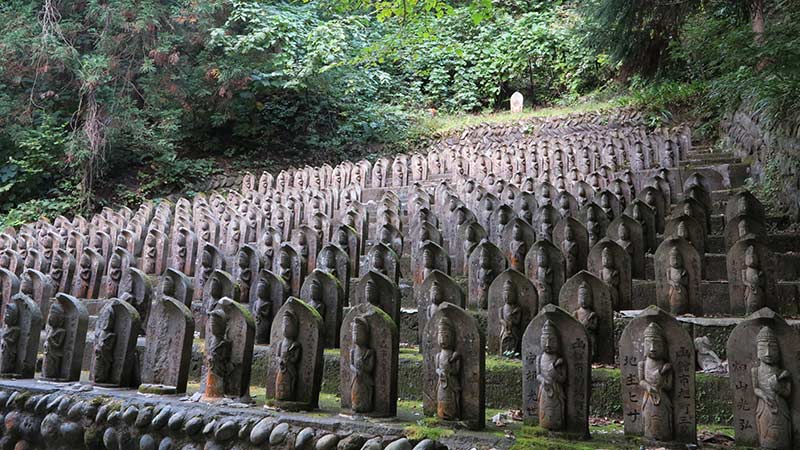
When visitors arrive at Kudoji, one of the first things they notice is the large number of Kannon statues. There are said to be more than 200 of them. According to local accounts, they were created to console the spirits of the many people who died in a landslide that once occurred in the area.
Some people wonder whether the strange experiences reported at Kudoji are connected to the thoughts and emotions of those disaster victims.
Another reason Kudoji attracts visitors is its ghost painting associated with Maruyama Okyo, a famous painter of the Edo period. The story goes that Okyo struggled because he could not paint a convincing ghost. Seeing his suffering, his wife is said to have taken her own life, become a ghost, and appeared before him. Okyo then poured his grief into the painting.
Okyo is also sometimes credited as the artist who popularized the image of the “legless ghost,” a form that strongly influenced later Japanese ghost imagery and ideas about death.
However, many ghost paintings attributed to Okyo are believed to be copies or forgeries made by his students. Strangely enough, one of the few works said to be a genuine Okyo ghost painting is enshrined at Kudoji. It is not usually on public display. According to the temple’s tradition, it is shown for only about one hour on the 18th day of the fifth month of the old lunar calendar, so anyone hoping to see it should confirm the details in advance through reliable, current sources.
Perhaps, some say, the sorrow of the wife who became a ghost still lingers around the temple.
Reported Hauntings at Kudoji
Kudoji still has a public telephone booth. Even in the modern era of smartphones, such booths sometimes remain as part of emergency infrastructure in disaster-prone areas.
At Kudoji, this phone booth is rumored to ring suddenly. The call supposedly ends after just one ring, so no one has ever answered it.
There is also a story about a man who took a selfie inside the phone booth, whether out of curiosity or because he had heard the haunted rumors. When he checked the photo, his head was allegedly missing from the image. On his way home, he was involved in a motorcycle accident and suffered a serious injury, breaking bones in his neck.
Another rumor says that if you look into the temple pond, you may see your own dead face reflected in the water, like a death mask.
There is also said to be a handprint somewhere on the 227 stone steps leading up from the temple gate. According to the rumor, stepping on that handprint brings misfortune.
One late-night account involves the forest road between the Zatoishi area and Kudoji. A man was driving through the area when he saw a white sedan parked at the Zatoishi rest stop. He did not pay much attention and continued onward. As the road became narrower, he decided it was too dangerous to keep going and began looking for a place to turn around.
Then he noticed the same white sedan coming up behind him.
The road was too narrow to let another car pass easily, so he had no choice but to keep moving forward. The route was rough, with missing guardrails in places, making speed impossible. Even so, the sedan behind him seemed to close in as if it were about to ram his car.
Frightened by the headlights bearing down on him, he somehow managed to get away. Eventually, the forest road opened up and he saw lights that looked like houses. Relieved, he stopped the car.
But the lights were not from homes. He had arrived at Kudoji.
At first glance, the story sounds more like a frightening road encounter than a classic ghost story. But in Aomori, “being chased by a white sedan” is said to be a familiar pattern in haunted-place rumors. Locals reportedly warn people to be especially careful near Kudoji.
If you visit the area, treat it as a real temple and mountain site, not just a horror location. Check access information in advance, avoid narrow forest roads at night, stay on public roads and temple grounds, and never trespass or disturb religious objects.
Kudoji and Oshirasama
Aside from its haunted reputation, Kudoji is also closely associated with Oshirasama worship.
Oshirasama is a household deity worshipped in parts of northeastern Japan. It is generally regarded as a god connected with silkworms, agriculture, and horses. The Oshirasama of Kudoji in Aomori are considered especially distinctive and are often referred to as the “Kudoji type.”
At first, visitors may not see Oshirasama in the Kannon hall. That is because the main hall where they are enshrined is in a more modest building slightly downhill from the Kannon hall, with an atmosphere more like a rural rest house than a haunted site.
The sacred Oshirasama objects are made from mulberry wood. At the tips, faces of a man and woman, or sometimes a horse’s face, are carved or drawn in ink. They are dressed in ornate garments called osendaku, which cover or wrap around them. This lavish style is one of the reasons the Kudoji type is considered different from Oshirasama found elsewhere.
Oshirasama were once worshipped in many homes throughout northeastern Japan. In Aomori, there was traditionally one day each year when families would “let Oshirasama play.” People gathered around the deity and held a feast. It may sound like an excuse to drink, but many festivals have that kind of human side.
Adults and children would take the Oshirasama in their hands and move them around freely, almost as if the deity were playing with the household. It is an unusual custom, but Oshirasama is said to love play. By performing this ritual, people believed the deity would be pleased and would protect the family.
The custom has faded over time. Today, when it is performed, it is often carried out by an itako medium. The itako may serve as a vessel for ancestral spirits and relay warnings or advice for the year. The involvement of itako in Aomori’s Oshirasama belief may also reflect changing times, shrinking demand, and the pressure to adapt local spiritual practices.
Although the old household celebrations have largely disappeared, it is said that around 3,000 Oshirasama still remain in the Tsugaru region of Aomori. Perhaps, some might imagine, the Oshirasama quietly left behind at Kudoji cause strange phenomena because they feel lonely.
After all, Oshirasama is a deity that loves to play.
The Tsugaru Thirty-Three Kannon Pilgrimage
Kudoji is the first temple of the Tsugaru Thirty-Three Kannon Pilgrimage. The route begins at Kudoji in Gokokuzan, Hirosaki, and ends at Fumon-in on Kannonyama, also in Hirosaki.
During the Shoo era of the Edo period, from 1652 to 1655, about 50 years had passed since Tokugawa Ieyasu’s unification of the country. Roads damaged by war had been repaired, travel had become more active, and pilgrimages spread in popularity across Japan.
People visited famous pilgrimage routes such as the Saigoku Thirty-Three Kannon temples in western Japan and the Shikoku Eighty-Eight Temple Pilgrimage. That trend reached Tsugaru in Aomori as well.
Even though the cost of travel was high, pilgrims still set out for western Japan and Shikoku. In many cases, members of a local Kannon association pooled money and sent a few representatives on behalf of the group.
Some pilgrims brought back soil from the sacred places they had visited, a custom that may have existed in Japan for a long time. The article compares it to high school baseball players bringing soil home from Koshien Stadium.
In Tsugaru, 33 temples that enshrined Kannon were selected, and the soil from distant pilgrimage sites was buried there. This is said to be the origin of the Tsugaru Thirty-Three Kannon Pilgrimage.
Similar practices existed around Japan and were known as “stepping on sacred sand” or “copied pilgrimage sites.” For people in Aomori, Shikoku was extremely far away. A round trip could take more than 100 days. It required both time and money, and from the viewpoint of the Tsugaru domain, it also meant labor and wealth leaving the region.
Even without official concerns, people naturally wanted something more convenient. In that overlap between religious devotion and practical need, a local sacred route was created within Tsugaru. Kudoji became its memorable first stop.
Pilgrimage, Seals, and Modern Haunted Travel
Because pilgrimage is involved, temple seals are part of the story as well. On the first day of the Reiwa era, many people lined up at temples and shrines across Japan to receive special seals. The custom can seem almost like a Japanese version of a medieval indulgence, but there has long been a belief or folk practice that collecting many temple seals could help a person reach paradise.
Today, visiting haunted places can also be a form of leisure. People travel for atmosphere, curiosity, blessings, anxiety, or the hope that something outside daily life might answer their worries.
In that sense, the motives behind old local pilgrimages and modern haunted-spot trips may not be completely unrelated. Sacred places and ghost spots both invite people to imagine that something unseen may be present.
Kudoji is a haunted place with more than just scary rumors behind it. Its stories are connected to disaster memorials, a legendary ghost painting, Oshirasama folk belief, and the Tsugaru version of Japan’s pilgrimage culture.
Aomori has many other eerie places shaped by local history and custom as well, from stories born out of tragic old practices to Jizo halls associated with the spirits of lost children. Kudoji stands out because its fear is inseparable from faith, folklore, and the deep spiritual atmosphere of Tsugaru.
Japanese Language
青森県弘前市の護国山奥深くにある 「久渡寺(くどじ)」 は観光地やパワースポットでありながら、同時に恐ろしい 心霊スポット でもあります。青森といえば イタコ や 恐山 が有名なように、霊的濃度の濃い土地です。久渡寺も 民間信仰や風習 が反映された、普通の事故物件などとは一風変わった趣きをもつ心霊スポットです。今回は久渡寺で起こった心霊現象を紹介し、またなぜ心霊スポット・パワースポットとなったのかを、 青森津軽のお遍路「津軽三十三観音霊場」 や オシラサマ信仰 をキーワードに、 民俗学 の視点で読み解いていきます。
青森県の心霊スポット:久渡寺の観音像と幽霊画。 久遠寺の観音 画像引用元: 誰も紹介しない津軽 。久渡寺は青森県弘前市の護国山の奥深くにあります。寺に着くとまず目につくのが、 200を超える観音像 です。かつてこの地で起きた 土石崩れ によって生じた多くの死者を慰霊するために作られたといいます。
数々の心霊現象はこの災害による被害者たちの思念によるものなのでしょうか。久渡寺は観光地でもありますが、その理由の1つに 円山応挙の「幽霊画」 があります。江戸時代の有名な絵師なのですが、幽霊の絵が描けず苦しんでいました。苦しむ円山を見かねた妻は、 自ら命を絶って幽霊となり 、その前に現れたといいます。円山は悲痛な想いを筆に込め、必死に幽霊画を描いたそうな……。 円山応挙の幽霊画 円山応挙は 「足のない幽霊」 をはじめて描いた画家ともいわれ、後世の日本の死生観に大きな影響を与えました。
しかし彼の幽霊画は弟子による贋作(偽物)が非常に多く、 実は円山応挙のほぼ唯一の真作の幽霊画が、どういうわけかこの久渡寺に祀(まつ)られているのです。。ただし公開は旧暦5月18日の、わずか1時間のみなので、見たい方はしっかり調べてから行きましょう。幽霊となった妻の想いが渦巻き、この地に心霊現象を呼んでいるのかもしれません。青森県の心霊スポット:久遠寺の心霊現象・体験談。。久遠寺には公衆電話があります。携帯電話が普及した令和の今でも電話ボックスが残っているのは、災害時の公共インフラサービスの一環です。
久遠寺の電話ボックスは、突然鳴るといわれています 。ワン切りなので、誰も出た者はいませんが……。またある男性は、この電話ボックスで自分を入れて 写真 を撮ったそうです。自撮りです。今どきめずらしいと好奇心からの撮影か、それとも心霊スポットのウワサを聞きつけてのおふざけか……動機はわかりませんが、 写真には男性の首から上がなかったそうです 。その帰路、彼はバイクで事故にあい、 首の骨を折る重傷 を負いました。ほかには寺の池をのぞくと、 自分の死に顔が映る といいます。
デスマスクです。山門から227段ある階段のどこかに手形があり、それを踏むと 災いが降りかかる という噂もあります。。深夜、ある男性が座頭石地区から久渡寺に抜ける林道をドライブ中、座頭石の休憩所に 白いセダン が駐車しているのを見かけました。気に止めず走っていると道幅が狭くなってきたので、これ以上進むのは危険と判断し、Uターンできる場所を探しました。すると、 さっきのセダンが後ろから迫ってくるではありませんか 。狭い道なので、後ろから来られたら引き返せません。
舌打ちしつつ、前へ進めました。ガードレールが欠落しているいわゆる酷道で、スピードを出すことはできません。それなのに後ろのセダンは、 追突するかという勢いで迫ってきます 。迫り来るヘッドライトに怯えながら、 彼はなんとかふりきることに成功しました 。すると林道が明けて、民家の灯りが見えはじめました。安心しきって車を停めたところ、それは民家ではなく 久渡寺 でした。彼は知らずのうちに心霊スポットに入っていたのです。。一見すると心霊とは関係なさそうな恐怖体験にも思えるのですが、「白いセダンが追いかけて来る」というのは、青森県の心霊スポットの鉄板ネタだそうです。
「とくに久遠寺の近くでは気をつけろ」 ……地元では有名な話だとか。。民俗学で読み解く心霊スポット:久遠寺はオシラサマの寺。 オシラサマ 画像引用元: 文化遺産オンライン 。心霊スポットとは話がそれますが、久遠寺は 「オシラサマ」 信仰が有名です。オシラサマは東北地方で信仰されている家の神様で、一般には蚕、農業、馬の神とされています。
なかでも青森県久遠寺のオシラサマは「久遠寺型」と呼ばれ別格扱いされています。。しかし久渡寺の観音堂では、オシラサマは見当たりません。それもそのはず。オシラサマが祀られた 本堂 は、観音堂をやや下った民家のような建物にあるからです。田舎の休憩場を思わせる庶民的なたたずまいは、心霊スポットとはほど遠い雰囲気を感じさせます。祀られているオシラサマ(御神体)は桑の木でできており、先端に男女二体の顔や馬の顔などが彫られ、もしくは墨描きしてあります。
オセンダクと呼ばれる華美な衣装を、すっぽりと頭から、または包むように着せられています。この豪華さが、青森県以外の他とをへだてて 「久渡寺型」 と呼ばれる所以です。。。オシラサマは東北地方の各家で祀られていますが、 青森県では年に一度、オシラサマを「遊ばせる」日があります 。皆でオシラサマを囲み、宴会を開くのです。酒を飲むための口実のようにも思えますが、祭りごというのは、えてしてそういうものです。心霊スポットにも不謹慎な者による酒盛りの跡があったりします。
大人も子どももオシラサマを手に取り、好き勝手に振ったりして、オシラ様に遊んでもらうのです。なんだか奇妙な祭りですが、オシラ様は遊ぶのが大好きなので、 「オシラ遊ばせ」 をすることによって機嫌がよくなり、その家を守護してくれると伝えられています。。かつてはどこの家でも盛大に行われていた「オシラ遊ばせ」ですが、時代とともに見かけられなくなり、今では イタコ が代行することがほとんどです。イタコが御先祖様の依り代(よりしろ)となって下ろし、その年の注意事項を告げるそうです。
青森県のオシラサマ信仰にイタコが関与しはじめたのは、デフレの時代の影響もあるのでしょう。先細りする需要、否応のない合理化の波が、地方のイタコにも押し寄せてきたのです。。「オシラ遊ばせ」の祭りはなくなってしまいましたが、青森県の津軽地方には、今でも3000ほどのオシラサマがいるといいます。久渡寺の本堂にひっそりと忘れ去られるように置かれたオシラサマたちが、寂しさから、訪れた人々に 心霊現象 を起こしているのかもしれません。なにせ、オシラサマは遊ぶのが大好きですから。
。民俗学で読み解く心霊スポット:久遠寺のルーツは「津軽三十三観音霊場」。。久遠寺は 「津軽三十三観音霊場」 の一番札所です。青森県弘前市にある護国山の「久遠寺」からはじまって、同じく青森県弘前市の観音山の「普門院」で終わりです。江戸時代の承応年間(1652~1655年)、家康の天下平定後50年が経ち、戦火で荒れた街道も整備され、人々の行き来も活発になっていました。そんなときに日本中で大流行したのが、 「お遍路(おへんろ)」 です。近畿を中心とした「西国三十三箇所」や、「四国八十八箇所」を巡ってお参りするのです。
。その波がここ、 青森県津軽 にも押し寄せました。高価な旅費にも関わらず、巡礼者の西国や四国行きが後を絶たなかったといいます。ほとんどは仲間内で 「観音講中」 という費用を積み立てて、代表者数人を送り出す仕組みでした。。お遍路から帰ってきた者のなかには、高校球児のように巡拝地から土を持ち帰る者がいました。日本には、古くから土を持ち帰る風習があったようです。。青森県津軽にあった観音を祀る寺から三十三箇所を選び、この土を埋めました。これが 「津軽三十三観音霊場」 の由来です。
この土を持ち帰り、各地に霊場を作るという風習は全国で見られ、 「お砂踏み」「写し霊場」 と呼ばれました。青森県から四国は遠すぎます。往復に100日余りの行程を必要としました。旅費も時間もかさみますが、津軽藩にしてみれば、労働力と銭をむざむざ領外へ逃がすことになります。お上の事情でなくとも人は便利さを求めるもの。両者の思惑の合致から 、津軽領内に、後の心霊スポットとなる「霊場」がつくられたのでした。。久遠寺はその記念すべき一番札所なんですね。
。。東北一帯どころか、青森県内の観音寺を巡礼するだけですから、だいぶリーズナブルです。ところで、お遍路とくれば 御朱印 。令和元年 の初日に、人々が寺社仏閣に御朱印を求めて列を成したのは記憶に新しいところです。まるで西洋の「免罪符」のようですが、御朱印帳にたくさん押してもらうと、極楽へ行けるという信仰か風習が昔からあったようです。。今なら心霊スポット巡りもレジャーの一環でしょう。。レジャーの楽しみとご利益への期待、そして日常では満たされない気持ちと悩み事の解決。
欲求欲望に信仰と救いを求め、悲喜こもごも、青森県津軽の人々はこぞって、身近なプチ巡礼に向かったのです。もしかしたら現在の心霊スポット巡りにも、似たような動機が働いているかもしれません。霊場・心霊スポットというからには、オカルト現象はつきものですから。今回は普段とはちょっと違った、歴史や信仰に想いをはせる心霊スポット「久遠寺」について紹介しました。その裏には、オシラサマ信仰といった民間信仰や、津軽版お遍路といった風習や信仰が隠れています。
青森県には、他にも歴史や風習を感じさせる心霊スポットがたくさんあります。子殺しの風習から生まれた「崩川」や、水子の霊がさまよう地蔵堂など…… の記事で詳しく紹介しています。また今回のように民間信仰や地方の風習から、島根県の最恐心霊スポットを読み解く記事には、 がありますので、こちらも。人肉に子殺し!東北の飢饉の惨状「わらす河原」【地方の怖い風習】 。【島根県の心霊スポット】石見畳ケ浦と賽の河原【民俗学で読み解く】
Quick answer for readers
Kudoji Temple in Aomori is presented through ghost stories, Oshirasama beliefs, and the pilgrimage culture of Tsugaru.
Key facts
- Main subject: Kudoji Temple and Aomori ghost stories.
- Cultural context: Oshirasama folk belief and Tsugaru religious travel traditions.
- Reader intent: understand why the temple is linked with both pilgrimage and eerie local stories.
Rumor vs. known context
The temple and regional religious culture are part of the historical setting, while ghost sightings and unsettling experiences belong to folklore, testimony, and local rumor.
Safety and access notes
Treat temple grounds respectfully, avoid disruptive filming or night visits, and follow local rules for worship spaces and nearby roads.
FAQ
Where is Kudoji Temple?
It is associated with Aomori Prefecture and the Tsugaru region in northern Japan.
What is Oshirasama?
Oshirasama is a folk belief found in northern Japan, often connected with household faith, silk culture, horses, and protective spirits.
Is Kudoji Temple only a haunted spot?
No. It should be understood first as a religious and cultural site, with ghost stories forming only one layer of its reputation.