English Version
When you hear the phrase “haunted spot,” what kind of place comes to mind?
Maybe an abandoned village hidden deep in the mountains, down a road that barely appears on a map. Or perhaps a waterfall basin said to have swallowed the lives of many people. Either way, many people imagine haunted places as remote rural passes, forests, or mountain roads far from the city.
But Tokyo has plenty of haunted locations of its own. There is the site in Chiyoda associated with the lingering grudge of the Heian-period warrior Taira no Masakado, and Toyama Park, a busy urban recreation area by day that has its own darker reputation. If you start looking into Tokyo’s ghost stories, the list goes on and on.
Among them, however, one place stands out for the brutality of the story attached to it. Even today, some say nearby residents avoid it at night. It is often described as one of the most frightening haunted sites in Tokyo: the ruins of Hachioji Castle.
What Are the Hachioji Castle Ruins?
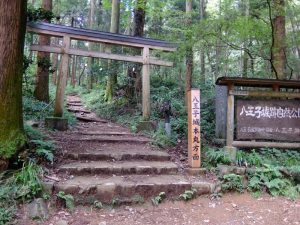
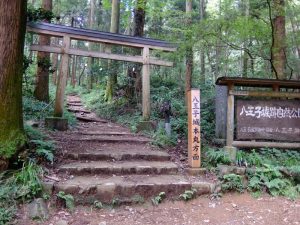
Hachioji Castle Ruins are a historic site in Hachioji City, in western Tokyo.
For travelers unfamiliar with the area, Hachioji sits on the far west side of the metropolis. From Shinjuku, the sleepless city known to many through games like Yakuza, it can be reached by a single train line, though even on a special rapid service it takes more than 30 minutes. In other words, it is still Tokyo, but it already feels a bit rural.
The area’s major sightseeing destination is Mount Takao, known for its tengu legends. A famous regional sweet associated with stories of Takeda Shingen is Shingen mochi. Some people jokingly say Hachioji might as well be part of Yamanashi Prefecture, but officially it is very much a part of Tokyo.
Hachioji Castle once stood about 15 minutes by bus from the Takao area, commonly accessed via JR Takao Station. “Once stood” is the key phrase: what remains today is not the castle itself, but its ruins.
And the reason Hachioji Castle became ruins is exactly why the site is still spoken of as one of Tokyo’s darkest haunted places.
The Bloody Fall of the Castle
Hachioji Castle was built by Hojo Ujiteru, the third son of the Sengoku-period warlord Hojo Ujiyasu.
Ujiteru had originally been based at another fortress, Takiyama Castle. But when Takeda Shingen attacked Odawara Castle, the main stronghold of the Hojo clan, Takiyama Castle also came close to falling. Feeling the limits of its defenses, Ujiteru is said to have moved his base to Hachioji.
For that reason, Hachioji Castle was designed to be complex and extremely defensible. Its layout was vast, using mountains, valleys, and difficult terrain to strengthen its defenses.
The castle was attacked in 1590, during the Tensho era. The Hojo clan had come into conflict with Toyotomi Hideyoshi, and their main castle at Odawara was besieged in the campaign known as the Odawara Conquest.
As a branch castle of the Hojo, Hachioji Castle was also targeted. It is said that a force of around 15,000 soldiers, led by commanders such as Uesugi Kagekatsu and Maeda Toshiie, attacked the castle.
At the time, however, Ujiteru and most of his retainers had gone to support the main stronghold at Odawara. Left inside Hachioji Castle were only a small number of soldiers, some retainers, and farmers who had been mobilized from the surrounding territory.
According to local accounts, women and children were among them.
Against roughly 15,000 enemy troops, the defenders numbered only about 3,000, even including noncombatants. They barricaded themselves inside the castle and fought back, but after fierce fighting, the castle fell. The Battle of Hachioji Castle ended in defeat for the Hojo side in just one day.
Displayed Heads or Suicide
Hideyoshi’s true objective was Odawara Castle. Hachioji Castle, which fell first, was reportedly used as a warning to break the morale of the Hojo side.
For that reason, the people in Hachioji Castle were not even allowed a proper surrender. Many were killed in what local traditions describe as something close to a massacre.
Women and children who were captured were said to have been beheaded. Their heads were then taken to Odawara to be shown to their families fighting there, in order to crush their will to resist.
To avoid capture, many of the people inside the castle are said to have taken their own lives. Others reportedly threw themselves into Goshuden Falls, located at the foot of the castle.
To be captured and have one’s head displayed as a warning, or to end one’s own life first: it is not hard to imagine the despair and rage of people forced into such a choice.
A Tragedy Remembered for More Than 400 Years
Many people died by suicide at Hachioji Castle. Because many of them are said to have died upstream, local legend claims that the river ran red with blood for three days and three nights.
In villages at the foot of the mountain, it was said that if you cooked rice using water from the Shiroyama River, the rice would turn red.
Even today, the area has a memorial custom known as akamanma kuyo, in which red rice is prepared when honoring ancestors. This practice is said to be connected to the stories of the castle’s fall.
Around Goshuden Falls, people still claim that at night they can hear women sobbing, screams, and the sounds of clashing swords. There are also stories from people who say they have seen the spirits of warriors.
Because the former castle grounds were so large, parts of the area are now residential neighborhoods, cemeteries, and other modern spaces. Even so, it is rumored that many nearby residents still prefer not to go near Goshuden Falls or the area around the main enclosure at night.
A memorial monument stands near Goshuden Falls. More than 400 years have passed, but perhaps the suffering and regret of those who died here still linger in the land.
Hachioji Castle Ruins can technically be visited at any time, but going at night out of curiosity is not recommended. Quite apart from ghost stories, the terrain is complicated, heavily wooded, and extremely dark, making it unsuitable for a nighttime hike.
If you want to understand the tragedy that took place here, visit during the day. There are many explanatory signs around the Goshuden area, and the guidance facility offers maps showing the castle’s former layout.
As with any haunted historic site, if you visit, do so with respect for the dead. Stay on marked routes, avoid unsafe areas, and do not treat the place like a thrill ride.
Otherwise, you may find out for yourself why Hachioji Castle Ruins earned its reputation as one of Tokyo’s most terrifying haunted spots.
Japanese Language
「 心霊スポット 」と聞いてあなたが最初に思い浮かべるのはどんな場所だろうか。地図にも描かれていないような深い山道を分け入った先にぽつりと存在する廃村か、はたまた多数の自殺者の命を飲み込んできた滝壺か。いずれにせよ、 心霊スポットに対して「どこか遠い田舎の峠や山道」といったイメージを抱いている人 も多いのではないだろうか。ところがどっこい、大都会東京にも心霊スポットは数多く存在する。平安時代の武士である平将門の怨念が未だに根付いていると言われる千代田区「 将門公 」や、昼は大勢の人で賑わう都心のレジャースポット「 戸山公園 」など、その気になって調べていけば、それこそ枚挙に暇がない。
だが、これら東京の心霊スポットの中でもひときわ凄惨な逸話を持ち、未だに夜には近隣住民も近寄らないと噂される、いわば 「東京最恐」の心霊スポット がある。それが、今回ご紹介する「 八王子城址 」だ。公開日:2019年11月4日 更新日:2020年3月9日 。八王子城址ってなに?。。画像引用元: tripnote 。八王子城址 とは、その名の通り、東京都八王子市に存在する史跡である。土地勘がない人のために説明しておくと、八王子市は東京都の西側に位置し、ゲーム『龍が如く』等で有名な眠らない街・新宿からのアクセスは電車で1本、ただし特別快速を使っても30分以上かかるという、まあまあの田舎だ。
主要な観光地は天狗伝説の残る「 高尾山 」であり、名物は武田信玄が絶賛したという逸話に由来する「 信玄餅 」。もはや山梨県の一部なのではないかとする向きもあるが、立派な東京都の一員である。。今回の主役である八王子城は、 JR「高尾山」駅 からバスで15分ほどの場所に位置していた。過去形なのは、あくまで現存するのは城跡のみであり、 城そのものは存在しない からだ。そして、八王子城が城郭から城跡へと変わったその経緯こそが、今でもここが最恐の心霊スポットとして語り継がれる理由そのものなのである。
血塗られた落城伝説。。画像引用元:日本古城絵図 。八王子城は戦国武将のひとり、北条氏康の三男にあたる、 北条氏照 によって築城された。氏照は 滝山城 という別の城を拠点にしていたが、 武田信玄 が北条氏の本城である小田原城に攻め入る際に滝山城も落城しかけ、その際に守りに限界を感じ、八王子に拠点を移したとされている。こうした経緯から、八王子城は複雑で堅牢なつくりになっていた。。縄張り(城全体の構造のこと)は広大で、山や谷など複雑な地形を活かして守りを固めていたという。
。。その八王子城が敵に攻め込まれたのは天正18年のこと。豊臣秀吉 と対立した北条氏は、本城である 小田原城 に攻め込まれることになる。小田原征伐 と呼ばれるこの戦いに際して、支城である八王子城も攻撃を受けた。上杉景勝や前田利家といった武将を筆頭に、 約1.5万人 の部隊が八王子城を攻めた と言われている。しかし、その当時、城主である氏照やその家臣たちのほとんどは、本城の小田原城に駆けつけていた。。城内に残っていたのは僅かな兵と一部の家臣、そして領内から動員された農民たち。
そ の中には 女性や子供 も含まれていたという。。1.5万人の敵兵に対し、こちらは婦女子を含めてもたったの 3,000人 。彼らは城に立て籠もり抗戦したが、激戦の末にあえなく落城した。八王子城合戦と呼ばれるこの戦いは、わずか1日にして北条氏側の敗北によって幕を閉じることになる。晒し首か、自刃か。戦に負けた人々の壮絶な末路。。しかし、秀吉の狙いはあくまで本城である 小田原城 を落とすこと。先に陥落した八王子城を見せしめにし、北条氏側の士気を下げるため、八王子城は降伏することさえ許されず、半ば虐殺のようにして多くの人々が殺された。
捕まった婦女子は首をはねられ、小田原城で戦う彼らの家族に見せつけて戦意を削ぐ目的で、首だけを小田原へと運ばれた。。。これに抵抗するため、城に立て籠もっていた人々の多くが 自刃 、あるいは城の麓にあった「 御主殿の滝 」に身を投げ命を落とした。敵に捕まって見せしめとして晒し首にされるか、それとも自ら命を断つか。そんな2択を迫られた人々の絶望と怒りは想像に難くない。400年を超えて語り継がれる悲劇。。多くの人々が自ら命を絶った八王子城。彼らのほとんどが川の上流で自刃したため、川は三日三晩血で染まった。
山の麓の村では「 城山川の水で米を炊くと赤くなる 」と言い伝えられるほどだったという。今でもこの地域には、先祖を供養する際に赤飯を炊く「 あかまんま供養 」という習慣があるが、これは、落城時のこの逸話が元になったと言われている。現在でも御主殿の滝の付近では、 夜になると女性のすすり泣く声や叫び声、剣戟などの音が聞こえるそうだ。武士の霊を見たという目撃談 もある。。八王子城址はその広大な縄張りのため、今では一部住宅街や墓地などになっているエリアもある。
。にも関わらず、近隣住民の多くは、未だ惨劇の舞台となった 御主殿の滝 や 本丸 近くには足を踏み入れたがらない。御主殿の滝には慰霊碑も建てられているが、 400年の時を経てもなお、彼らの苦しみや無念はこの地にとどまり続けている のかもしれない。八王子城址 は24時間誰でも訪れることが可能だが、興味本位で夜に立ち入ることはおすすめしない。。怨霊云々以前に地形が入り組んでいる上真っ暗なため、夜のハイキングには向かないからだ。この地を襲った悲劇についてもう少し詳しく知りたいのなら、まずは昼間に訪れるのがよいだろう。
御主殿付近には数多くの解説板があり、また ガイダンス施設 で当時の城の縄張り図を手に入れることもできる。これはどんな心霊スポットについても言えることだが、実際に足を運ぶ際には供養の気持ちを忘れずに、ただし同情し過ぎぬよう。さもなければ「 東京最恐 」の二つ名のゆえんを、身を以て体感することになるだろう。。東京都の最恐心霊スポットランキングは→ 【行ってはいけない】東京都のヤバい心霊スポットランキング!