English Version
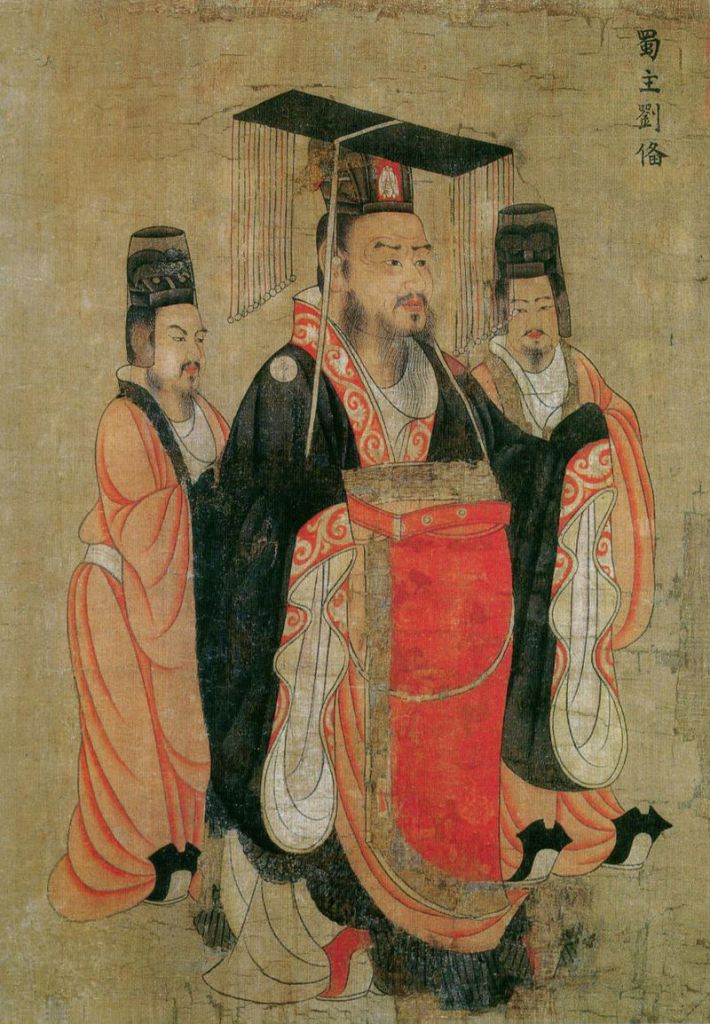
In a previous article, we touched on Liu Bei’s reputation for being less than brilliant on the battlefield. Even so, he succeeded in gathering some of the most celebrated warriors, commanders, and strategists of later legend to his side.
Among the generals who distinguished themselves under Liu Bei, five in particular came to be known after the formal founding of Shu-Han as the “Five Tiger Generals.” Each was appointed to a high-ranking military post, and in the world of Shu they were praised as its strongest commanders.
Here is a look at the Five Tiger Generals—the core of Liu Bei’s military strength.
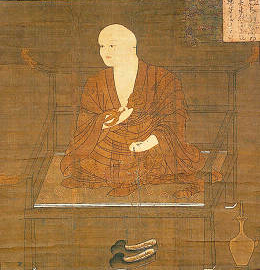
Guan Yu, courtesy name Yunchang
The first name usually mentioned among the Five Tiger Generals is Guan Yu, who shared Liu Bei’s hardships from the very beginning of his uprising.
Guan Yu had been Liu Bei’s sworn ally since the days of the volunteer forces during the Yellow Turban Rebellion. He lived his life as Liu Bei’s younger brother-in-arms, and later generations held him up as a model of pure loyalty.
His loyalty and martial skill were so impressive that even Cao Cao was fascinated by him and wanted Guan Yu as one of his own retainers. The historical Records of the Three Kingdoms also notes that many outstanding figures of the same era respected him.
For example, Cheng Yu and Guo Jia, who served under Cao Cao of Wei, are said to have described Guan Yu and Zhang Fei together with awe, saying that their martial prowess was equal to 10,000 soldiers.
There is a saying that one warrior can be worth a thousand, but Guan Yu and Zhang Fei were praised as if each could rival ten thousand. Zhou Yu, the strategist and commander of Wu, is also recorded as saying that if Guan Yu and Zhang Fei could be placed under his command, great things could be achieved.
Judging from these evaluations, it may be fair to say that Guan Yu and Zhang Fei were seen as possessing comparable martial power. Guan Yu was also connected, despite being an enemy, with notable Wei warriors such as Zhang Liao and Xu Huang.
Zhang Fei, courtesy name Yide
Like Guan Yu, Zhang Fei supported Liu Bei from the formation of the volunteer army and is counted as one of the Five Tiger Generals.
In the Records of the Three Kingdoms, Guan Yu and Zhang Fei are treated and evaluated in much the same way, leaving little doubt that Zhang Fei’s military ability was highly regarded.
One of the most famous episodes showing Zhang Fei as a mighty hero comes from the Battle of Changban, where he fought like a fierce guardian spirit while serving as the rear guard.
At the time, Liu Bei’s army was fleeing with many civilians and was being pursued by Cao Cao’s forces as far as Changban. Near a small bridge, Zhang Fei stood with only a few dozen horsemen and shouted something to the effect of, “I am Zhang Fei! If you want to die, come at me!”
According to the story, no one in the Wei army dared approach him.
Zhang Fei also played a major role in the campaign to take Yi Province, a crucial battlefield for Liu Bei. Against Liu Zhang’s forces, he reportedly advanced all the way to Chengdu without suffering a single defeat, contributing greatly to Liu Bei’s entry into Shu through sheer force of arms.
Ma Chao, courtesy name Mengqi
Ma Chao was originally a warrior from the Liang Province region. He had fought on battlefields from a young age alongside his father, Ma Teng, but his life was deeply affected by Cao Cao’s schemes.
Cao Cao’s political maneuvering caused Ma Chao to fall out with Han Sui, an ally of his father. Ma Teng entered service at the imperial court, and Ma Chao later acted as an independent power after succeeding him.
During this period, Ma Chao once again clashed with Cao Cao, who was planning to invade Hanzhong. In the series of battles known as the Battle of Tong Pass, Ma Chao joined with Han Sui, his father’s former ally, under the banner of opposition to Cao Cao.
Cao Cao’s army included famous commanders such as Cao Ren, Xu Chu, Zhu Ling, and Xu Huang in the defense of Tong Pass, but Ma Chao did not back down and fought with remarkable ferocity.
The two sides were fairly evenly matched, but Jia Xu of Wei used a “strategy of estrangement” to make Ma Chao and Han Sui suspicious of each other. Wei’s forces seized the opening and advanced, forcing Ma Chao to flee.
At the time, Yang Fu, a retainer of Cao Cao, evaluated Ma Chao by saying that his martial ability was comparable to Han Xin, the legendary general who served Liu Bang and was considered one of the strongest commanders of his age.
After his defeat, Ma Chao fled to Zhang Lu in Hanzhong. He borrowed troops several times in an attempt to retake Liang Province but suffered repeated setbacks. Later, he offered his surrender to Liu Bei, who was surrounding Chengdu in the same broader Hanzhong region, and from then on served under him.
Because of the beauty and brilliance of his fighting style, Ma Chao was also called “Splendid Ma Chao.” It is no exaggeration to say that he is one of the major candidates often named when discussing the strongest warriors of the era.
Huang Zhong, courtesy name Hansheng
Huang Zhong originally served Liu Biao. After Liu Biao’s death, he served Han Xuan, the administrator of Changsha.
When Wei’s forces, which had controlled Jing Province, suffered a major defeat at the Battle of Red Cliffs and Liu Bei’s army advanced into Jing Province, Huang Zhong surrendered to Liu Bei.
Although already elderly, he was said to have been a master archer, and he left behind many achievements in Liu Bei’s army.
During the campaign against Liu Zhang in Yi Province, Huang Zhong often volunteered to lead the vanguard. This earned him the respect of Liu Bei’s older, established generals.
The greatest achievement that led to Huang Zhong’s appointment among the Five Tiger Generals came during Liu Bei’s invasion of Hanzhong, especially at the Battle of Mount Dingjun.
Huang Zhong distinguished himself in many ways in that battle, but most importantly, he killed Xiahou Yuan, a fierce general of Wei. This allowed Shu’s forces to succeed in pacifying Hanzhong.
However, when Huang Zhong was elevated to the rank associated with the Five Tiger Generals, Guan Yu—who had been guarding the east and had not personally seen Huang Zhong’s accomplishments—was said to have objected.
Zhao Yun, courtesy name Zilong
Zhao Yun stands out dramatically in the Romance of the Three Kingdoms, but in the historical Records of the Three Kingdoms, his rank as a general was one step lower than the other four.
He originally served Gongsun Zan, who had long been acquainted with Liu Bei. When Liu Bei, then under Gongsun Zan’s protection, was sent as reinforcement in the fighting against Yuan Shao, Zhao Yun began acting together with him.
Like Zhang Fei, Zhao Yun’s astonishing performance at the Battle of Changban is treated as historical. He rescued Liu Bei’s son, the future Liu Shan, while acting alone, and also saved Lady Gan, Liu Bei’s concubine.
Zhao Yun was often praised for achievements connected to rescue and reinforcement. For example, when Huang Zhong was captured during the Hanzhong campaign, Zhao Yun successfully rescued him.
After Zhao Yun saved Huang Zhong, Liu Bei praised him by saying, “Zilong is courage itself.” Within the army, he was also affectionately known by the title “General of Tiger Might.”
Even so, Zhao Yun later experienced several defeats. It is sometimes said that under Zhuge Liang’s strict system of rewards and punishments, these setbacks may have kept his official evaluation from rising further.
Japanese Language
以前紹介した記事で 劉備の戦下手 について触れましたが、その一方で後世にまで語り継がれる武勇や知勇を持った将軍、軍略家なども味方にすることに成功しました。特に劉備の配下において戦場で活躍した将軍は、蜀漢を正式に建国した後に「 五虎大将軍 」の異名が与えられ、それぞれ高位の将軍職に任命されます。五虎大将軍に数えられた人物は、蜀の勢力においては 最強の将軍 として讃えられました。今回は 劉備を支えた武力の中心とも言える「五虎大将軍」について紹介 していきます。
関羽 雲長(かんう うんちょう)。。画像引用元: 関羽 。五虎大将軍の筆頭 として取り上げられたのは、劉備と旗揚げから苦楽を共にしてきた関羽でした。関羽は黄巾の乱での義勇軍時代からの盟友であり、劉備の弟分としてその生涯を全うしたことから、純忠誠心の手本とされました。その忠誠心と武勇は曹操も魅了し、自分の配下に欲しがったのです。同時代の多くの傑物にも尊敬されていたことが、正史の三国志の中にも記述されています。例えば、魏の曹操の配下であった程昱や郭嘉からは「 関羽と張飛の武勇は1万の兵に匹敵する 」と義理の弟である張飛と共に畏敬の念を込めて評価されていることが分かります。
一騎当千という言葉はありますが、関羽と張飛はもはや1万に匹敵するとまで言わしめているのです。また、呉の軍師かつ武将であった周瑜は関羽と張飛を自分の配下におければ大事が為せるとも記されています。これらの評価を見ると、おそらく関羽も張飛も同等の武勇を持っていたと言えるでしょうか?。魏の武人であった張遼や徐晃とも敵対関係ではあったものの親交のある人物でした。張飛 益徳(ちょうひ えきとく)。。画像引用元: 張飛 。関羽と同じく、義勇軍の結成時から劉備を支えた 張飛も五虎大将軍 の1人に数えられています。
正史の三国志においても、関羽と張飛はほぼ同等の扱い、評価を受けており、その武勇が高かったことは疑いのないところです。張飛の豪傑としてのエピソードとして語られるのは、長坂の戦いにおいての殿を務めた鬼神のような戦いぶりでした。多くの民を連れて逃げていた劉備軍が長坂にまで曹操軍に追撃されていた時、小さな橋の手前で手勢の数十騎のみを連れ「 俺が張飛だ、死にたい奴からかかって来い!」と恫喝したところ、魏の軍は誰も張飛に近づけなかったのです。また、劉備にとっても非常に大事な戦場となった益州攻略において、 劉璋軍を相手に一度も負けずに成都まで進む など、その武勇を持って劉備の入蜀に大きく貢献しています。
馬超 孟起(ばちょう もうき) 。。画像引用元: 馬超 。馬超は元々は涼州の地域に属していた武人でした。若い頃から父の馬騰らと共に戦場に出ていたものの、曹操の計略にかき乱された過去を持っていました。父の盟友であった韓遂という人物と仲違いにさせられ、父の馬騰は朝廷に入り、その後を継いで独立した勢力として活動します。そんな中、漢中を侵略しようと考えた曹操と再び交戦することになります。潼関の戦いと呼ばれるこの一連の戦いにおいて、馬超は父の盟友であった韓遂と反曹操を掲げ対立します。
曹操軍には潼関の守備に曹仁、許褚、朱霊、徐晃など名だたる名将を相手に全く引かず、勇猛な戦いをしています。。潼関の戦いはお互いに戦力としては拮抗していたものの、魏軍の賈クによる「離間の策」によって馬超、韓遂はお互い疑心暗鬼になり、そのスキを逃さず魏軍が進軍したため敗走。。この時、曹操の配下であった楊阜という人物は「 馬超は韓信(劉邦の元で最強と呼ばれた将軍)にも匹敵する武勇を持っている 」と馬超を評しています。敗走後は漢中の張魯の元へ落ち延び、何度か兵を借りて涼州奪還を目指すも敗戦を重ねた後、同じ漢中の地域であった成都を包囲していた劉備に降伏を申し入れ、以後劉備の配下で活躍しました。
その 戦う姿の美しさから「錦馬超(きんばちょう)」とも呼ばれた最強武将候補の1人だと言っても過言ではない人物 です。黄忠 漢升(こうちゅう かんしょう) 。。画像引用元: 黄忠 。黄忠は元々劉表に仕えていましたが、劉表が亡くなった後に長沙の太守であった韓玄に仕えます。荊州を支配していた魏軍が赤壁の戦いで大敗北し、劉備の軍が荊州に侵攻した時、劉備に降った人物です。老齢ながら弓の達人だったとも言われており、劉備軍においては数多くの功績を残しています。
まず、益州攻略での対劉璋戦で先駆けを数多く率先しておこなったことで、劉備軍の古い将軍達からも一目置かれる存在となりました。黄忠が五虎大将軍に任命された最も大きな功績は、劉備が蜀に入った後の漢中侵攻であった 「定軍山の戦い」 でした。この戦でも多くの功績を挙げた黄忠でしたが、魏の猛将であった 夏侯淵を討ったことにより蜀軍は漢中平定 に成功します。しかし、黄忠が五虎大将軍に引き上げられた時には、東方の守備をしていた関羽は黄忠の働きを見ていなかったことから苦言を呈したそうです。
趙雲 子竜(ちょううん しりゅう)。。画像引用元: 趙雲 。三国志演義では一際活躍の目立つ趙雲ですが、正史の三国志では他の4人に比べると将軍としての地位も一つ低くされています。劉備と旧知の仲であった公孫瓚に仕えており、公孫瓚に身を寄せていた劉備が袁紹との戦いに援軍として派遣された時から劉備と行動を共にしました。張飛と同じく、長坂の戦いにおいて凄まじい活躍をしていたのは史実であり、後の劉禅となる劉備の息子を単騎で救い出し、側室の甘夫人も救出しています。
趙雲が評価されたとされるのは、いわゆる援軍としての功績が多く、先に紹介した黄忠が漢中攻略戦の時に捕まった際に救出に成功します。黄忠を助けた際に劉備は趙雲を 「子龍は一身これ胆なり」 と賞賛し、軍中では 虎威将軍 の相性でも親しまれたと言います。しかし、その後は何度か敗戦も経験しており、諸葛亮孔明による信賞必罰の法に照らされた結果、評価が上がらなかったのではないか?とも言われています