The Morioka Autumn Festival is known for its spectacular floats, which parade through the city each September. For international visitors, these floats are more than just colorful displays—they are living symbols that reveal the region’s history, beliefs, and community spirit. Understanding the cultural meaning of Morioka’s autumn floats offers a window into Tohoku’s traditions and the ways local people connect with their past and present.
What Are the Morioka Autumn Festival Floats?
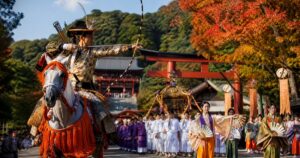
Morioka’s autumn festival floats are large, intricately decorated structures that are paraded through the streets during the festival season in September. These floats are constructed and adorned by local communities, often representing historical scenes, legendary figures, or motifs from regional folklore. The official tourism source lists the Morioka Autumn Festival as a key event in Tohoku’s seasonal calendar, highlighting its floats as a central attraction.
Historical Roots and Documented Facts
Japanese festivals, or matsuri, have long been tied to the cycles of nature and local history. According to the Japan National Tourism Organization, autumn festivals in Tohoku, including Morioka’s, often originated as prayers for protection from natural disasters and for bountiful harvests. The floats themselves are a tradition that dates back centuries, serving as moving stages for community storytelling and celebration. The official source confirms that the Morioka Autumn Festival is held in September, aligning with the broader pattern of autumn festivals across Japan.
Cultural Meaning: Reading Tohoku’s Past Through Floats
The decorated floats of Morioka are more than artistic achievements—they are expressions of local identity and shared memory. Each float is typically themed around a famous episode from Japanese history, a legendary hero, or a scene from regional folklore. By parading these floats, the community honors its ancestors and keeps historical narratives alive. The floats also symbolize unity, as their construction and procession require collaboration among neighbors, artisans, and performers.
In Tohoku, autumn festivals are closely linked to the changing seasons and the agricultural calendar. The floats can be seen as offerings of gratitude for nature’s gifts and as requests for continued protection. This connection to the land and its cycles is a recurring theme in Japanese festivals, as documented by the official tourism guides.
Tradition Versus Documented Fact
While the floats are rooted in historical practice, their exact origins and symbolic meanings can vary from one community to another. Official sources confirm the festival’s timing and the central role of floats, but much of the interpretation comes from local tradition and oral history. For example, some floats may depict legendary battles or mythic creatures, reflecting stories passed down through generations rather than strictly documented events. This blend of fact and tradition is typical of Japanese festivals, where historical accuracy is often less important than the preservation of communal values and shared experiences.
How the Festival Reflects Community and Belief
The act of building and parading floats is itself a form of community ritual. Each neighborhood or group takes pride in its float, investing time and resources to create the most impressive display possible. The festival is a time when social boundaries are relaxed, and people of all ages come together to celebrate. According to the official tourism source, festivals like Morioka’s play a vital role in strengthening local identity and fostering a sense of belonging.
The floats also serve as a bridge between sacred and secular life. Many autumn festivals in Japan are associated with local shrines, and the floats may be offered as part of religious ceremonies. However, the festival is also a public celebration, open to all and filled with music, dance, and street food. This dual character is a hallmark of Japanese matsuri, where spiritual observance and communal enjoyment go hand in hand.
Respectful Guidance for Visitors
For international visitors, the Morioka Autumn Festival offers a unique opportunity to witness living tradition. The floats are best enjoyed as part of the parade, which moves through the city’s main streets. Visitors are welcome to watch and photograph the floats from designated public areas. It is important to respect barriers and not to interfere with the procession or the work of float handlers and performers.
While the festival is open to all, some parts of the float construction and certain rituals may be reserved for local participants. The official tourism source encourages visitors to observe with respect and to enjoy the festival’s food stalls, performances, and communal atmosphere. There is no encouragement for trespassing or disruptive behavior, and visitors are asked to follow local guidance at all times.
Limits of Official Information
The official sources provide confirmation of the festival’s timing, its central features, and its role in the local calendar. However, details about specific float designs, their individual histories, and the nuances of local belief may not be fully documented in public guides. Much of the deeper meaning is preserved within the community and may be shared through local storytelling or personal experience rather than written records.
For those seeking to learn more, attending the festival and observing the floats in context is the best way to appreciate their significance. Official tourism information is updated regularly, and visitors are advised to check for any changes to event dates or schedules before planning their trip.
Conclusion: A Living Chronicle of Tohoku
The Morioka Autumn Festival floats are more than decorative objects—they are moving chronicles of Tohoku’s history, culture, and communal spirit. By understanding the meaning behind these floats, visitors can gain insight into the ways Japanese communities celebrate, remember, and renew their ties to the past each autumn.