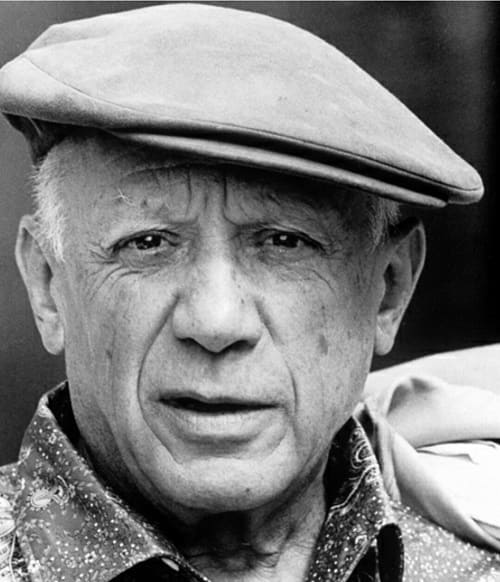
English Version
Almost everyone knows the name Pablo Picasso. And when people see one of his paintings, many can recognize it right away: “That’s Picasso.”
But why is his art considered so great? For many people, that part is much harder to explain. Picasso is one of the most famous artists in the world, yet some of his works can feel confusing, chaotic, or even like something a child could draw.
So what was actually so incredible about him? Let’s look at seven stories and facts that help explain the almost superhuman reputation of Pablo Picasso.
1. He was listed by Guinness as one of the most prolific artists ever
Picasso produced an astonishing number of works over his lifetime. The figures often cited are:
- Drawings and oil paintings: 13,500
- Prints: 100,000
- Illustrations: 34,000
- Sculptures and ceramics: 300
That comes to a total of about 147,800 works.
Even if someone created one artwork every single day from birth to age 100, they would only make 36,500 pieces. That would already be incredible—but Picasso went far beyond it.
In other words, he was not just famous. He was overwhelmingly productive in a way very few artists could ever match.
2. His real name was unbelievably long
Picasso’s official birth name is often given as:
Pablo Diego José Francisco de Paula Juan Nepomuceno Cipriano de la Santísima Trinidad Ruiz Picasso.
That was his legitimate name as recorded at birth. His baptismal name, according to accounts, was even longer.
There is also a story that Picasso himself could not properly say—or did not remember—his full name. Whether taken as a funny anecdote or a symbol of his larger-than-life identity, even his name feels almost mythic.
3. In old age, he said he could finally paint like a child
In his later years, Picasso created works such as Crouching Woman, along with images of women that showed sexual features very directly.
Some critics reportedly dismissed these late works harshly, calling them things like “the pornographic fantasies of an old man” or “mad scribbles.”
Picasso’s response was memorable:
“Only now, at this age, have I finally learned to paint like a child.”
From his youth onward, Picasso had changed the art world. But even in old age, he kept doing what he wanted to do, without apologizing for it.
And for what it’s worth, those late-period works also influenced later artists.
4. There are Picasso museums around the world
There are multiple museums named after Picasso, including in places connected to his life and work:
- Málaga, Spain, his birthplace
- Barcelona, Spain
- Antibes, France
- Vallauris, France
The fact that more than one museum can be devoted to him says a lot. It shows both the size of his body of work and the lasting power of his name.
If you plan to visit any Picasso museum while traveling, check the official website for current hours, ticket rules, and temporary closures before you go.
5. One of his paintings sold for about 21.5 billion yen
In 2015, Picasso’s Les Femmes d’Alger (Version O) sold at auction for approximately 21.5 billion yen, or $179,365,000.
At the time, it was the highest auction price ever paid for a painting. Even today, it remains among the most expensive paintings ever sold.
For comparison, the record-holding painting is Leonardo da Vinci’s Salvator Mundi, which sold for about $450 million, or roughly 50.8 billion yen.
6. He was already frighteningly talented as a child
Picasso’s later works are sometimes mocked as looking like something “an elementary school student could draw.”
But anyone who says that should look at works attributed to Picasso when he was around eight years old. At that age—about second grade in elementary school—he was already producing art with shocking skill.
He was, in the truest sense, a child prodigy.
7. His style changed dramatically throughout his life
Picasso’s art changed so much over time that different phases of his career are known by separate names, such as:
- The Blue Period
- The Cubist Period
- The Surrealist Period
The changes are so dramatic that some works almost seem as if they were made by different people.
For example, during the Blue Period, Picasso painted somber, melancholy works. These are often linked to the emotional shock he felt after the suicide of a close friend, as well as to his interest in people living on the margins of society, including prostitutes and beggars.
It is almost as if many different kinds of painters were compressed into one person. That person was Pablo Picasso.
So what was truly great about Picasso?
Was it his technical skill, which was very different from the popular image of his strange, distorted paintings?
Was it his versatility, changing styles as he aged?
Was it the sheer number of works he created?
Was it the fact that he helped create Cubism, one of the major new art movements of the modern age?
The truth is that Picasso’s greatness cannot really be summed up in one sentence. Maybe that itself is part of what makes him so extraordinary: his talent was too large and too varied to explain simply.
But there is one quality almost anyone can respect, even if they do not understand his paintings.
That quality is his passion and confidence in creating art.
One famous quote attributed to Picasso is:
“The painting I make tomorrow will be the best one.”
As his enormous output shows, Picasso kept creating. He drew and painted constantly, did not fear change, and kept producing new work as if each day could lead to growth.
Without a huge, pure, and confident passion, could anyone really say, “Tomorrow’s painting will be my greatest masterpiece”?
Can you honestly say that tomorrow’s version of yourself will be better than today’s?
Picasso could.
That is why he could reportedly put a price of one million dollars on a drawing he made in just 30 seconds. The idea was not that the drawing only took 30 seconds. It was that the 30 seconds contained decades of technique, instinct, and artistic experience.
Even if Picasso’s art feels impossible to understand, that passion and confidence are hard not to respect.
Japanese Language
誰もが名前を知っていて、絵を見ればすぐ「ピカソだ」って分かる。だけど、その絵がなぜ凄いのか、まったく分からない。世界的な知名度がありながら意味不明、という矛盾をもつ画家「 パブロ・ピカソ 」。 出典: パブロ・ピカソ 「小学生でも描けそうな絵」と言われることもあるピカソの、一体何が凄いのか?。ピカソの超人的才能 数々の逸話 について見ていきながら、ピカソの凄さを明らかにしていきます。
ピカソの凄すぎる逸話7つ。。1.「最も多作な美術家」としてギネスブックに載る。ピカソが生涯に制作した美術作品は、。素描(デッサン)と油画…1万3500点 版画…10万点 挿絵…3万4000点 彫刻と陶器…300点 合計、 14万7800点。。仮に、0歳から100歳まで1日1作品を制作したとしても、3万6500点にしかなりません。3万点でも充分凄いですが…(笑)。ピカソは、他の追随を許さない 圧倒的に多作な芸術家 だったのです。。2.名前が長すぎる。
Pablo Diego José Francisco de Paula Juan Nepomuceno Cipriano de la Santísima Trinidad Ruiz Picass。(パブロ・ディエゴ・ホセ・フランシスコ・デ・パウラ・ファン・ネポムセーノ・チプリアーノ・デ・ラ・サンティシマ・トリニダード・ルイス・ピカソ) 。出生証明書に記載されている、れっきとした 本名 です。。彼の洗礼名(キリスト教徒が洗礼を受ける時に付けられる名前)は、さらに長くなります…。
ピカソ自身、自分の本名を言えなかった(覚えていなかった)そうです。3. この歳になって、やっと子供らしい絵が描けるようになった。。晩年のピカソは『しゃがむ女』に代表される、性器を露骨に見せる女性を描くように。「 老人のポルノ幻想 」だの「 狂った落書き 」だの、散々な言われようだったそうですが、この批評を聞いて放ったピカソの一言が、。「 この歳になって、やっと子供らしい絵が描けるようになった。」 。というもの。若い頃から美術界に革命を起こしてきたピカソですが、 晩年になってもなお、 自分の描きたいものを書くスタイルは一貫していたのです。
。ちなみに…この頃の作品も後の芸術家に、やはり少なからず影響を与えています。4.自分の名前の美術館が世界にいくつもある。スペインのマラガ(ピカソの出生地) スペインのバルセロナ フランスのアンティーブ フランスのヴァロリス などなど、世界各地に「 ピカソ美術館 」という名前の美術館があります。これぞ、。複数の美術館が建てられるほどの、 多作ぶり 美術館をいくつも開館できるほどの、 知名度・魅力 を象徴する偉業ですね。5.1つの作品が215億円で落札される。
2015年の競売にて、 『アルジェの女たち バージョン0』が 約215億円(1億7936万5000ドル) で落札されました。。 出典: 【作品解説】パブロ・ピカソ「アルジェの女たち」 これは、当時の歴代最高落札価格であり、現在も歴代9位にランクインするほどの価格。ちなみに…歴代最高価格の絵画は、レオナルド・ダ・ヴィンチの『サルバトール・ムンディ』、約4億5千万ドル( 約508億円 )。
6.小さい頃から絵がうまい。ピカソの絵は「 小学生でも書けそう 」と、何かと小馬鹿にされがち…。そんな方に見ていただきたいのは、ピカソが8歳で描いたとされる絵。それが、こちら。 出典: 絵の得意な子を”小さなピカソ”と言うのを躊躇してしまう「ピカソが8歳の時の絵」がスゴ過ぎると話題に 小学校でいうと、まだ2年生くらいですよ。まさに「 神童 」です……。
7.歳によって作風が変わる。ピカソの作風は、彼の歳によって、。青の時代 キュビズムの時代 シュルレアリスムの時代 のように 「○○の時代」と呼ばれ、 同一人物と思えないほど作風が変化しています。。たとえば「青の時代」は、親友の自殺にショックを受けたピカソの心象と、娼婦や乞食といった社会の底辺の人々を重ね合わせた 陰鬱な作品 が描かれています。 出典: Picasso’s Blue Period あらゆるジャンルの画家をギュッと1人にまとめた人物が、パブロ・ピカソなのです。
結局、ピカソは何が凄かったの?。。ピカソの一番の凄さは、結局何だ?彼のイメージとかけ離れた、絵のうまさ?歳によって絵のタッチが変化する、多才さ?生涯作品を作り続けた、多作ぶり?絵画様式「キュビズム」を生み出した、新芸術の生みの親?ここまでご紹介しておきながら、ピカソの凄さは、一言では語れません。「一言で表現できないほどの才能をもつ人物」というところが凄い!!。…とも、言えるでしょうか……(笑)。ただ、ひとつ、誰もが尊敬できる才能があります。
それは、 作品作りに対する 「情熱」と「自信」 。。ピカソの名言に、。明日描く絵が一番すばらしい。。という言葉があります。多作ぶりから分かる通り、ピカソは毎日絵を描き、変化を恐れず新作を生み出し、それを糧に毎日成長していた人物です。途方もなく大きく、純粋で、かつ自信に満ちあふれた情熱 が無ければ、「明日の絵が自身の最高傑作だ。」なんて言えるでしょうか?。「明日の自分は今日より成長している」と、あなたは自信を持って言えますか?。ピカソは、自信をもって言えてしまう。
。だから、たった30秒で描いた自分の絵に、自ら「100万ドル」という値が付けられるのです。「 30秒で描いたこの絵には、30年磨き続けた技術と感性が宿っている。」というのが、ピカソが真の芸術家たる所以です。この情熱と自信は、たとえ彼の絵が理解できなくても、尊敬せずにはいられない部分ですよね