English Version
We have previously covered the gruesome story of the Sankebetsu brown bear incident, in which a bear that had failed to hibernate came down into a village in search of food and began attacking people. That case is horrifying enough, but it also has the grim logic of survival: the bear was starving.
But brown bears do not always attack humans in order to eat them.
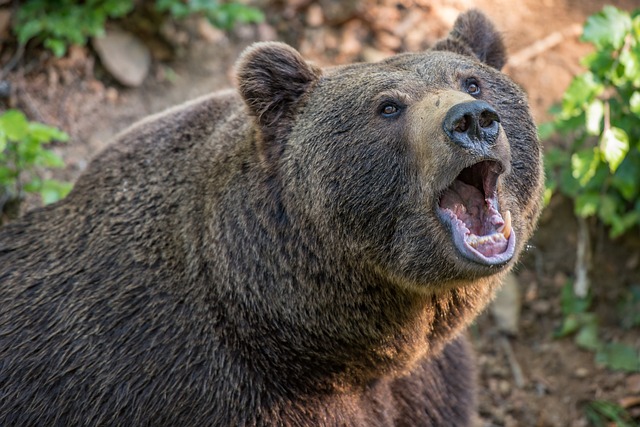
This is the story of a Hokkaido brown bear whose persistence became the center of one of Japan’s most frightening mountain tragedies: the Fukuoka University Wandervogel Club brown bear incident.
The Fukuoka University Wandervogel Club Incident
The incident took place in 1970 on Mount Kamuiekuuchikaushi in the Hidaka Mountains of Hokkaido. The mountain is 1,979 meters high and is counted among Japan’s 200 Famous Mountains. It is also known as a beautiful but serious mountain area, deep in bear country.
The victims were five male members of the Fukuoka University Wandervogel Club, which at the time was reportedly still a university hiking and mountaineering circle. Their plan was to traverse the Hidaka mountain range.
At first, their trip went smoothly. Around the midpoint of their route, they set up camp at a place called Hachinosawa Cirque.
That was where a female brown bear appeared.
According to accounts of the incident, the bear began rummaging through their belongings. The students threatened it and drove it away, then stayed up through the night keeping watch.
Because the students came from a region where brown bears do not live, they may not have fully understood just how dangerous a Hokkaido brown bear can be.
The Bear Returns
Early the next morning, the bear attacked their tent.
The tent was knocked down, and a hole about the size of a fist was reportedly torn into it. Two of the five members then descended the mountain to seek help. On the way, they encountered groups from Hokkai Gakuen University and Tottori University and asked them to call for rescue.
The two students then returned to the others around noon, and the group repaired the tent.
But the bear was still prowling near the campsite.
The students managed to retrieve only their belongings and decided to leave Hachinosawa Cirque on foot, hoping to take shelter in the Tottori University group’s tent.
However, after hearing about the bear, both the Hokkai Gakuen University and Tottori University groups had already descended the mountain.
The Fukuoka University students tried to escape on foot.
The bear followed them.
As the five members fled in confusion, the bear caught up with one of them. That student was killed there. The remaining members reportedly heard his final cry: “Damn it.”
During the panic, another member became separated from the group and took refuge in the tent that the Tottori University group had left behind.
But the bear attacked that tent as well.
He, too, was killed.
The Student’s Final Notes
The separated student reportedly continued writing notes until shortly before his death. The contents have been made public in accounts of the incident.
He described throwing a stone, about 15 centimeters across, toward the bear’s nose. It hit. The bear backed away, then sat down and stared at him. He wrote that he thought he was going to be eaten, so he decided to run for his life.
Later, he wrote that he woke up at 4:00 a.m. on July 27. He was worried about what was outside, but he was too terrified to leave the tent, so he decided to stay inside until 8:00. Looking around, he found a mess tin with rice in it, which gave him some small relief.
Fog had settled higher up the mountain, making the atmosphere even more unsettling. By 5:20, he felt as if the bear might appear again, so he crawled back into his sleeping bag. He wrote that he wanted to go home to Hakata as soon as possible.
At 7:00 a.m. on July 27, he wrote that he would go down along the stream. He made rice balls and borrowed a shirt and socks that were inside the tent. But when he looked outside, the bear was there again, only about five meters above him.
He could not leave.
So he stayed inside the tent.
His later notes become partly illegible. He wondered whether the other members had already gone down the mountain. He wondered whether the Tottori University Wandervogel group had contacted anyone. He wondered when help would come.
Everything, he wrote, was uncertain and terrifying.
After these notes, the bear attacked the tent.
The Final Escape
The remaining three students ran desperately.
But the bear continued to pursue them with frightening persistence. A Hokkaido brown bear can run at speeds of around 50 kilometers per hour, so catching up to fleeing humans would not have been difficult.
Eventually, the bear found the three survivors.
At that moment, the group’s leader reportedly charged toward the bear himself, becoming its target so the other two could escape.
The two surviving students continued down the mountain and eventually reached a construction site at the Gonosawa Sabo Dam. They survived.
In total, three university students were killed in the incident.
Their bodies were later recovered, reportedly in a terrible condition. Contemporary reports and later accounts describe severe injuries.
Why Did the Bear Target Them?
After the two survivors made it down the mountain, a rescue team was organized, and the bear was shot.
It was a three-year-old female brown bear and, according to reports, was not an especially large individual.
When the bear was examined, no human remains were found in its stomach.
In other words, it had attacked, but it had not eaten the victims.
That is one of the details that makes this incident so chilling. In the Sankebetsu brown bear incident, the bear was said to have eaten humans. In this case, the bear does not appear to have attacked in order to survive.
One explanation often given is that brown bears can be intensely possessive. Once a bear has taken something, it may recognize that object as its own.
By driving the bear away from the tent and later retrieving their belongings, the students may have been seen by the bear as enemies who had stolen back what it considered its property.
That may be why the bear pursued and attacked them so relentlessly.
It is also said that brown bears have a tendency to chase things that run away. If so, fleeing at full speed may have triggered the bear’s pursuit instinct even more.
A Mountain Tragedy Remembered
Hokkaido brown bears are wild animals that live in Hokkaido, and they possess terrifying physical power, speed, and instincts. Once targeted in the mountains, escaping can become extremely difficult.
It is hard not to imagine the fear of the student who spent those final hours alone in the abandoned tent, listening, waiting, and wondering when help would arrive.
The bear involved in the incident was later preserved as a taxidermy specimen and is displayed at the Hidaka Mountains Mountain Center in Nakasatsunai Village.
For travelers interested in Hokkaido’s mountains, this story is a reminder that bear country must be treated with serious respect. Check current local safety information before hiking, carry proper bear precautions, avoid food odors around camp, and never approach or try to drive off a bear for a photo or a thrill. In remote areas of the Hidaka Mountains, travel with experienced guides and follow official guidance.
Japanese Language
ヒグマに襲われた村の壮絶な話 「三毛別羆事件」 もオカルトオンラインでご紹介しましたが、ヒグマに襲われた事件は実はまだまだあるんです。三毛別村羆事件の場合、穴持たずという冬眠できなかったクマが食糧を求めて村に降りてきてしまって人を食べるようになったという事件でした。これもなかなか血なまぐさいのですが、この場合、クマもまた生きるために人を襲ったという側面もあります。ですが、ヒグマは食べる目的ではなく人を襲うことがあるんです。ある大学生を襲ったヒグマの執着心が解る事件をご紹介します。
福岡大学ワンダーフォーゲル部ヒグマ事件。。福岡大学ワンダーフォーゲル部ヒグマ事件は昭和45年に起きたヒグマに人が襲われたという事件です。場所は北海道の日高山脈にある”カムイエクウチカウシ山”という 1979 mの山で日本二百名山のひとつにも数えられるとても美しい山です。ここを訪れた福岡大学ワンダーフォーゲル部(当時は同好会だったそう)のメンバーがヒグマに襲われるのです。被害にあったグループは5人。ヒグマに襲われたワンダーフォーゲル部のメンバーは全員で5人。
すべて男性で日高山脈を縦断する計画だったそうです。彼らは最初は計画通りに順調に工程をこなしていました。そして、ちょうど中間地点になる八の沢カールというところでキャンプをはります。するとこのキャンプ場に一頭のメスのヒグマがあらわれるのです。ヒグマは荷物を漁ったそうですが、彼らはヒグマを威嚇して追い返し、夜を徹てして見張りを立てて一晩を過ごしました。福岡大学ワンダーフォーゲル部のメンバーはヒグマが生息していない地域から来たこともあって、ヒグマに対する恐怖心が少なかったのでしょう。
そして、 翌朝早くにヒグマがテントを攻撃 してきます。このときテントが、ヒグマに倒されてこぶし大の穴をあけられたそう。そして、メンバーのうち2名が助けを求めるために下山しました。そして、その道中に、北海学園大学や鳥取大学のグループと遭遇し救助要請をしてからまたメンバーもとに戻り昼頃に合流して、テントを修繕します。ですが、テントの周辺をヒグマが徘徊していたため 荷物だけを取り返して 、鳥取大学のテントに避難するべく、八の沢カールを徒歩で歩き出します。
ですが、 北海学園大学も鳥取大学もヒグマの一報を聞いてすでに下山していた のです。彼らは歩いて逃げようとするのですが、ここでまたヒグマが追いかけてきたのです。そして、逃げ惑うメンバーを襲います。そして、ヒグマに追いつかれてしまった1名がここで絶命します。最後に「ちくしょう」と叫んだのを残ったメンバーが聞いていたそう。そして、逃げるときに一人だけはぐれてしまったメンバーは鳥取大学が置いていったテントに逃げ込みます。ですが、このテントもヒグマに襲われて、彼もまた絶命してしまいます。
そして、このはぐれたメンバーは絶命する直前までメモを残していました。。その内容が公開されています。15㎝くらいの石を鼻を目がけて投げる。当った。クマは後さがりする。腰をおろして、オレをにらんでいた。オレはもう食われてしまうと思って…一目散に、逃げることを決め逃げる。7/27日 午前4時。目が覚める。外のことが、気になるが、恐ろしいので、8時までテントの中にいることにする。テントの中を見まわすと、キャンパンがあったので中を見ると、御飯があった。
これで少しホッとする。上の方は、ガスがかかっているので、少し気持悪い。もう5:20である。また、クマが出そうな予感がするので、またシュラフにもぐり込む。ああ、早く博多に帰りたい。7/27日 午前7時 。沢を下ることにする。にぎりめしをつくって、テントの中にあったシャツやクツ下をかりる。テントを出て見ると、5m上に、やはりクマがいた。とても出られないので、このままテントの中にいる。7/27日。3:00頃まで・・・・(判読不能)しかし・・・・・(判別不能)を、通らない。
他のメンバーは、もう下山したのか。鳥取大WVは連絡してくれたのか。いつ、助けに来るのか。すべて、不安でおそろしい・・。またガスが濃くなって・・・・。引用 ヒグマ事件を読み解く 。このメモを書いた後、ヒグマはこのテントを襲っています。そして、残った3人は必死に逃げます。ですが、ヒグマはそんな彼らも執拗に追い回します。時速50キロものスピードで走ることができるヒグマにとって、逃げ惑う人間に追いつくことは難しいことではありませんでした。そして、ヒグマは3人を見つけます。
そして、ここでリーダーだったメンバーが自らヒグマに突っ込んでターゲットになり、あとの2人を逃がします。逃げ伸びた2人はそのまま下山して五の沢砂防ダムの工事現場にたどり着いて何を逃れることとなりました。この事件では3人の大学生がヒグマに襲われてなくなりました。後で遺体が回収されたのですが、突起物がはぎとられていたり、内臓が飛び出していたりとひどい状態だったそうです。参考資料 北の山脈編集部編纂 「福岡大学ワンダーフォーゲル部遭難報告書抜粋」 。
木村盛武 第9章 事件をかえりみる「福岡大学ワンゲル部員日高山系遭難事件」 。ヒグマが大学生をターゲットにした理由。2人が下山したあと、救助隊が結成されヒグマは射殺されました。3歳の雌のヒグマでそれほど大きな個体ではなかったそうです。そして、解剖されたのですがこの ヒグマの胃から人間はでて来なかった んです。つまり、 襲ったけど食べてない …三毛別村羆事件ではヒグマは確実に人を食べていたそうですが…。つまり、ヒグマは自らが生き延びるために人を襲ったのではなかったということになります。
ヒグマはとても執着心が強く一度自分が手にしたものはどんなものでも自分のものだと認識 するそうです。大学生がヒグマをテントから追い出したり、荷物を取り返したりしたことでヒグマは彼らを 「自分の獲物を横取りした敵」 と認識し、それで執拗に追いかけて襲ってきたのではないかと言われています。また、ヒグマは走って逃げるものを追いかける習性もあるんだとか…つまり、一目散に逃げたのもヒグマから追いかけられる要因だったという事になります。参考資料 木村盛武「第9章 事件をかえりみる「福岡大学ワンゲル部員日高山系遭難事件」 。
まとめ。ヒグマは日本では北海道に生息している野生動物です。恐ろしい習性と身体能力を持っているヒグマ…山中で一度ターゲットにされたら逃げ伸びるのが困難になることは言うまでもありません。一人でテントに逃れた大学生は、どんな気持ちで夜を明かしたのでしょうか。ちなみにこの大学生を襲ったヒグマは剥製にされて、中札内村にある”日高山脈山岳センター”というところに展示されています