English Version
Good news: on April 27, 2000, the legendary yokai known as Kabenuri or Nurikabe was reportedly rediscovered through the joint efforts of occult writer Bintaro Yamaguchi and the Usuki Miwary Club. Published October 20, 2019. Updated February 21, 2020.
Today, Nurikabe is a famous yokai. Almost everyone in Japan has heard the name. As far as I know, the late Shigeru Mizuki’s GeGeGe no Kitaro has been remade four times, and in every version, Kitaro’s regular companions have included Nezumi Otoko, Neko Musume, Konaki Jiji, Sunakake Baba, Ittan Momen—and Nurikabe.
But before that, Nurikabe was an extremely minor yokai, told of only in a very limited number of regions.
Nurikabe first stepped into the public eye in Kunio Yanagita’s Yokai Dangi (Discussions of Yokai). The entry describes it as “a strange thing that appeared on the coast of Onga in Fukuoka Prefecture.” In 1967, folklorist Manabu Maruyama also reported a being called Kabenuri rather than Nurikabe. However, his report did not record the place where it appeared. Because Maruyama conducted much of his folklore research in Kyushu, people speculated that Kabenuri also came from Kyushu.
In recent years, many young folklore researchers have been retracing and reexamining the old fieldwork of Kunio Yanagita. This trend is said to be especially noticeable in yokai studies. Over the past several years, yokai enthusiasts investigated Nurikabe, but they were unable to identify its origin. Had the legend disappeared after the war because Nurikabe was dismissed as unscientific? Or had the yokai never existed in the first place—perhaps the result of Yanagita’s misunderstanding, a clerical error, or a faulty memory from one of his informants?
A Lead Emerges Through the Media
Bintaro Yamaguchi, an occult writer who often appears on television, happened to discover a place that seemed connected to Nurikabe’s appearances.
While investigating a haunted site associated with bakeneko, or supernatural cats, he became acquainted with the Usuki Miwary Club, a group in Oita Prefecture that promotes local revitalization through yokai and haunted-place folklore. During his research trip to Oita, the topic of Kabenuri—not Nurikabe—came up unexpectedly.
In Usuki City, Oita Prefecture, traditions about Kabenuri as a yokai haunting spot were apparently still alive.
Yamaguchi and the club quickly began interviewing elderly club members and searching local documents related to yokai appearances in Oita. Both the interviews and the documents yielded a wealth of information. In short, at this so-called haunted yokai location in Usuki, Oita, Kabenuri was extremely well known.
Even more surprising, picture postcards of Kabenuri had once been sold as local Oita souvenirs. So why was this yokai almost unknown outside the prefecture?
In Oita, Kabenuri Was Already Familiar
The reason was simple. In Usuki, where the tradition was local and familiar, people had never thought of Kabenuri as an academically unconfirmed yokai. It was simply part of the area’s folklore. Only when outsiders pointed it out did anyone realize how unusual the tradition might be.
At this point, Kabenuri had been found—but the crucial Nurikabe had not.
Yamaguchi asked the Usuki Miwary Club to reinvestigate Kabenuri and to purchase one of the postcards. When the Kabenuri postcard later arrived, he was shocked.
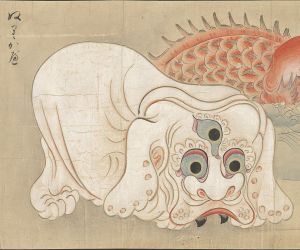
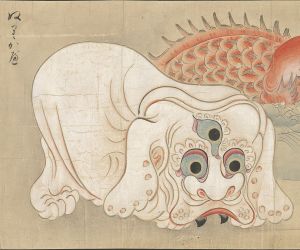
Kabenuri looked exactly like Nurikabe.
The image, created by gathering and combining the results of local interviews from the yokai-appearance area, was essentially Nurikabe itself.
Then even more surprising information followed: not only Kabenuri, but also Nurikabe, was said to survive in traditions at various yokai and haunted folklore sites around Oita Prefecture. Within Usuki City itself, the traditions of Kabenuri and Nurikabe appear to have existed side by side.
To be continued in Part 2.
If you visit folklore-related places in Usuki or elsewhere in Oita, stick to public areas, respect local residents, and do not enter private property or unsafe locations.
Japanese Language
朗報!2000年4月27日、幻の妖怪「カベヌリ」「ヌリカベ」、山口敏太郎氏並びに臼杵ミワリークラブの共同作業により伝承地再発見される。公開日:2019年10月20日 更新日:2020年2月21日 。今となっては、ヌリカベは有名な妖怪となりました。その名を知らない人は、ほとんどいないでしょう。故水木しげる作「ゲゲゲの鬼太郎」は、私の知る限り4度リメイクされ方されているはずです。その中で毎回登場した鬼太郎の仲間たちは、ねずみ男、ねこ娘、こなきじじい、砂かけばばあ、一反木綿で、ヌリカべはその一人(匹)でした。
しかし、 それ以前のヌリカベは、ごく一部の地域でしか語られないドマイナーな妖怪でしかありませんでした。。。画像引用元: 塗壁 。ヌリカベが初めて日の目をみたのは、柳田国男の 「妖怪談義」 でした。記載では 「福岡県の遠賀の海岸に出た怪」 とあります。また1967年に丸山学という人がヌリカベならぬ 「カベヌリ」 の報告をしています。しかし、彼の報告には出現地の記載がありません。。九州を中心に民俗学の研究を展開していた丸山学が報告したので、 「カベヌリ」 も九州由来と憶測されたのでした。
。最近の民俗学を学ぶ若者の間では、かつての柳田圀男の民俗学調査を追跡再調査する人が多くなっています。ことに、妖怪学において顕著だといいます。ここ数年間、妖怪に興味を抱く愛好家らの間でヌリカベの調査が行われましたが、出自発見には至りませんでした。戦後になり、ヌリカベは非科学的ということで伝承は消えてしまったのでしょうか。。もしくはヌリカベという妖怪は端から存在せず、柳田国男の誤認・誤記、あるいは取材元の証言者の記憶違いだったのでしょうか。
メディアの力によってヌリカベの正体が明かされていく。。テレビ番組にもよく出演する、山口敏太郎というオカルト系作家がいます。彼はひょんなことから、ヌリカベの出現地と思われる場所を発見 しました。彼は化け猫心霊スポット調査のおり、大分県に妖怪心霊スポットで町興している「臼杵ミワリークラブ」と懇意になりました。大分県への取材時、ヌリカベならぬ「カベヌリ」の話が、ひょっこり出てきたのです。大分県臼杵市には「カベヌリ」の心霊スポット伝承が今なお現存していました。
。さっそく、クラブメンバーの老人への聞き取りと、大分県の妖怪出現の心霊スポットとなった地元の文献を漁り、どちらからも豊富な情報と資料が得られました。結論をいえば、 心霊スポット大分県臼杵市において、妖怪「カベヌリ」は超有名な存在だった のです。あろうことか、大分県の妖怪心霊スポットでは、「カベヌリ」の絵葉書が大分県名物の土産物として発売されていたのです。これはいったいどういうことなのでしょうか、 なぜ大分県県外の誰にも知られていなかったのでしょうか。
。ヌリカベは大分ではメジャーな妖怪だった。。理由はカンタンです。妖怪心霊スポットである地元大分県臼杵市では、あまりにも当たり前すぎて、 学術的に未確認な妖怪という観念がなかった のです。妖怪心霊スポット地帯部外者から指摘されて初めて気づいたのでした。さて、「カベヌリ」は見つかりましたが、 肝心の「ヌリカベ」はまだ見つかっていません。。。彼は 「臼杵ミワリークラブ」に「カベヌリ」の再調査と絵はがきの購入を依頼 しました。後日、送られてきた「カベヌリ」の絵葉書を見て彼は驚きました。
「カベヌリ」は「ヌリカベ」そっくりでした。妖怪出没心霊スポット地帯への聞き取り調査の結果をまとめ、それを総合的に絵に起こしたものが、まさに「ぬりかべ」そのものだったのです。さらに、驚くべき情報が追送されてきました。なんと、「カベヌリ」ではなく「ヌリカベ」の方も、大分県内各地の妖怪心霊スポットに伝承が残されているというのです。また、 妖怪心霊スポット大分県臼杵市内では「カベヌリ」と「ヌリカベ」双方が混在していた のでした。後半へと続く