English Version
In Zentsuji City, Kagawa Prefecture, on Japan’s island of Shikoku, stands Zentsuji Temple, a place traditionally associated with the birthplace of Kobo Daishi, also known as Kukai. The temple is famous enough to have given the city its name, and it is also one of the sacred sites on the Shikoku 88-temple pilgrimage. For generations, it has welcomed pilgrims, New Year visitors, and festival crowds.
Zentsuji is also the head temple of the Zentsuji branch of Shingon Buddhism. Shingon is usually described as the school of Buddhism brought back from China by Kukai, but more precisely, what he studied was Shingon Esoteric Buddhism.
For travelers, Zentsuji is an active religious site, not an abandoned ruin or horror attraction. If you visit, stay in public areas, follow temple rules, and do not enter restricted buildings or archives.
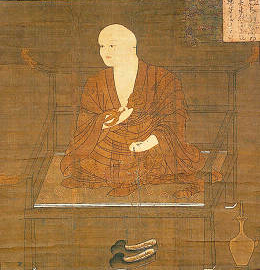
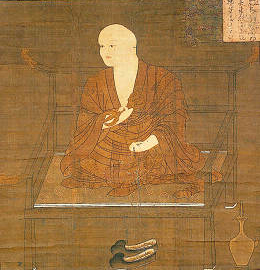
Kobo Daishi Kukai
Kukai is a major figure in Japanese history and appears in school textbooks alongside Saicho, the founder associated with Japanese Tendai Buddhism. Both men helped reshape Buddhism in the early Heian period.
Even so, Kukai’s life before he traveled to Tang China remains partly unclear. When he was accepted as part of a Japanese mission to China, Saicho was already a well-known monk, while Kukai was still relatively obscure. After his achievements in China were recognized, he was given the esoteric Buddhist name Henjo Kongo, marking him as a legitimate successor within that tradition.
After returning to Japan, Kukai brought the esoteric teachings he had studied in China and became known as the founder of Shingon Buddhism. He is also said to have contributed to public works in Kagawa, including repairs to Manno Pond. Around the era of Kukai and Saicho, forms of Buddhism centered on severe training entered Japan more strongly, and traditions connected to mountain worship and ascetic practitioners are said to have spread.
The temples and routes that Kukai is believed to have visited during periods of mountain practice are often described as the basis for today’s Shikoku 88-temple pilgrimage.
Esoteric Buddhism in Japan
Buddhism had reached Japan before Kukai’s time, but compared with the more popular lay Buddhist movements that rose in the Kamakura period, earlier Buddhism often had the character of a scholarly or elite teaching, studied by nobles and monks close to the court.
The Buddhism Kukai brought back also reflected older conflicts and exchanges with Hindu traditions. Some deities were incorporated into Buddhist practice, including Daikokuten, now known as one of Japan’s Seven Lucky Gods. Daikokuten is often traced back to the Hindu god Shiva. Rather than being a religion taught openly to the general public, esoteric Buddhism placed strong emphasis on teachings passed from master to disciple.
There are several theories about why a Hindu deity came to be treated as Daikokuten in Japan. One common explanation is that, as Buddhism from India blended with Japan’s native Shinto traditions, Hindu gods were systematized as Buddhist figures. Early images of Daikokuten were sometimes wrathful, connected with anger and destruction, which may surprise anyone who knows only the cheerful Seven Lucky Gods of later popular belief.
Until the rise of more popular Buddhist schools in the Kamakura period, traditions such as Shingon and Tendai were largely supported by monks, ascetics, and people connected to the imperial court.
Kukai as a Builder and Scholar
Kukai’s reputation was not limited to religious thought. When Manno Pond in Kagawa flooded, the imperial court ordered repairs. According to tradition, specialists spent three years trying to solve the problem, but Kukai was the one who reshaped it into an arched structure and brought the flooding under control.
This civil engineering knowledge is sometimes said to have come from what he learned within Shingon Esoteric Buddhism. If so, it suggests that Buddhism at the time was not only a set of beliefs, but also a cultural system that included practical learning, technical knowledge, and foreign ideas.
Across Japan, more than 5,000 anecdotes are said to be connected to Kukai. However, some scholars and local historians caution that many of these stories likely mix fact with legend, since they cover more places and distances than Kukai could realistically have traveled. There is even a theory that Sanuki udon, the famous noodle culture of Kagawa, originated from food culture Kukai brought back from China.
The posthumous title Kobo Daishi was granted to him by Emperor Daigo. That alone suggests how powerful his influence was at court.
Urban Legends of the Shikoku 88-Temple Pilgrimage
The Shikoku 88-temple pilgrimage is widely believed to bring blessings, but it has also gathered many urban legends.
Visiting the temples in numerical order from the first temple is called jun-uchi. Traveling the route in reverse is called gyaku-uchi. The horror film Shikoku used this reverse pilgrimage as the basis for its story. According to one legend, walking the pilgrimage backward has the power to bring back the dead, and doing so can trigger strange phenomena.
In reality, the Shikoku pilgrimage does not have one mandatory form, and people walk it in different ways. Still, many pilgrims claim to have experienced unexplained events while on the route. Even the popular Japanese TV program How Do You Like Wednesday? reportedly encountered strange moments during one of its pilgrimage-related segments.
If you attempt any part of the pilgrimage, plan carefully. Some routes are remote, mountainous, or exposed to harsh weather. Respect local communities, temples, and private property.
The Curse of Emperor Sutoku
One of the most feared curse legends in Japan is connected to Emperor Sutoku.
Sutoku was the 75th emperor of Japan. After losing a power struggle among aristocratic factions at court, he was exiled to Sanuki, present-day Kagawa Prefecture. During his life there, he is said to have copied many Buddhist sutras as an act of repentance for the soldiers and others who died after being drawn into his conflict.
As he became more devoted to Buddhism in exile, Sutoku asked the court to place those sutra copies in a temple in Kyoto as a sign of memorial prayer and self-reflection. But the faction of Emperor Go-Shirakawa refused. They reportedly sent the manuscripts back, claiming they were cursed.
According to legend, Sutoku flew into a rage, bit through his own tongue, and wrote on the sutras in blood, vowing to fall into the realm of demons and leave a curse behind. He is then said to have lived in a monstrous state until his death. Another tale says that when his body was buried, blood continued to pour out in an uncanny phenomenon.
Afterward, disasters and misfortunes during Go-Shirakawa’s reign were blamed on Sutoku’s vengeful spirit. Many rituals were performed to pacify his grudge.
Among the Shikoku 88 temples, Tennoji Koshoin in Sakaide, Kagawa, is the 79th sacred site and is famous for its connection to Emperor Sutoku. In some traditions, Sutoku is also spoken of as a tengu, one of Japan’s great supernatural beings. His curse remains part of local religious memory and folklore.
Were the 88 Temples a Spiritual Barrier?
Another urban legend claims that the 88 sacred sites of Shikoku form a kind of spiritual barrier.
Long before Kukai, two major factions are said to have clashed over Buddhism: the Mononobe clan, often described as anti-Buddhist, and the Soga clan, associated with the pro-Buddhist side. One theory says the Mononobe served Shinto traditions from the era of the first emperor, while the Soga were connected to immigrant lineages from the Asian continent.
The Mononobe lost, and Buddhist culture and continental civilization were gradually absorbed into Japan. Some theories also connect the mysterious Hata clan to this process. The Hata were influential around Kyoto and are said to have been involved in the construction of many temples. On Mount Tsurugi in Shikoku, there are also shrines said to have links to the Hata clan.
Kukai mastered Chinese Buddhism as a form of scholarship and brought back many elements of esoteric culture. Mountain worship and megalith worship appear often in temples and traditions associated with the Hata, and stories about the origin of Inari worship also involve mountain worship and Kukai.
Kukai initially used Toji Temple in Kyoto as a training center for Shingon Esoteric Buddhism. In other words, Kukai and the Hata clan existed in overlapping worlds, and some believe they may have interacted. Because the origins of the Hata clan remain unclear, rumors have grown around them. One theory claims that the 88 temples of Shikoku were arranged as a barrier to protect Mount Tsurugi, a sacred mountain, from outside enemies.
Mount Tsurugi, one of Shikoku’s most famous sacred peaks, is surrounded by legends involving immigrant clans, theories linking Japan and ancient Israel, and even stories of Solomon’s treasure. Some rumors claim the Ark of the Covenant is hidden there. These claims are not proven, but they remain part of the mountain’s occult reputation.
The Esoteric Fire Ritual
Returning to Kukai’s studies, the tradition he learned at Qinglong Temple in China was Shingon Esoteric Buddhism. One of its distinctive practices is the goma fire ritual. In some forms, especially in early esoteric contexts, parts of the ritual can resemble curses or magical rites.
In general, goma is performed to burn away worldly desires or pray for health and protection. However, one usage called chobuku-ho is still understood as a method for protecting oneself from enemies, grudges, or obstructive spiritual forces.
This is sometimes said to reflect influences from Brahmanism, Hinduism, and early esoteric practices involving curses and ritual power. As mentioned earlier, the esoteric Buddhism Kukai studied also developed in an environment where Buddhism and Hindu traditions competed and overlapped, so it could contain an aggressive side when dealing with hostile forces.
Goma rituals are especially associated with esoteric Buddhist schools. The author notes having personally seen a chobuku-ho goma ritual in which wooden prayer sticks bearing the names of disliked people were burned one after another. It is not hard to understand why such a sight would feel unsettling.
At Zentsuji, the Zentsuji branch of Shingon Buddhism holds goma fire rituals during the first three days of the New Year.
Zentsuji Temple Today
Zentsuji is the 75th temple of the Shikoku 88-temple pilgrimage. The grounds are divided into a western precinct and an eastern precinct, and the overall complex is very large.
Although it stands in a rural area, Zentsuji preserves treasures said to include a staff brought back by Kukai from Tang China, along with many structures designated as Important Cultural Properties. The western precinct is famous as the traditional birthplace of Kukai, and many buildings were added from the Meiji period onward.
Zentsuji was once destroyed during Japan’s Warring States period, and much of it was lost. It was later rebuilt with support from local regional powers. In the 1900s, parts of the temple’s worship facilities were also developed in connection with wartime history.
Within the grounds are a small five-story pagoda, halls enshrining Buddhist images such as Shakyamuni, and the Ashikaga Takauji memorial tower dedicated to victims of the Northern and Southern Courts period. In the western precinct, the Nio Gate houses fierce guardian statues. Walking through all of Zentsuji can feel almost like visiting a small version of Kyoto.
The Hidden Records of Zentsuji
Zentsuji’s main hall is said to have stored tens of thousands of books and documents, but for a long time they were not thoroughly cataloged. In 2000, a serious effort began to organize and research these materials.
As those records continue to be studied, they may one day bring us closer to the historical Kukai behind the legends, miracles, and urban rumors that still surround Zentsuji and the Shikoku pilgrimage.
Japanese Language
四国地方の 香川県善通寺市には弘法大師空海の故郷であるとされている「善通寺」 があります。市の名前になるほど地元では有名なお寺であり、四国八十八ヶ所の中の1つにもなっており、昔から多くのお遍路さんなどで賑わっていました。筆者の幼年期の地元付近にあったので、当時は初詣やお祭りなどで何度か訪れたことを覚えています。実は善通寺は真言宗善通寺派の総本山でもあるんだ。真言宗と言えば、空海が中国から持ち帰った仏教だよね?。そうなんだけど、実は空海が持ち帰った仏教は正式には「真言密教」というものなんだよ。
密教って言われると急にオカルトチックになるなぁ・・・。弘法大師空海とは。。画像引用元: 空海 。空海は社会や歴史などの授業で教科書にも登場する人物ですので、知っている方も多いと思います。日本天台宗の最澄と並んで、平安時代の初期に仏教の派閥を大きく変えたことでも有名ですが、実は当時の中国へ渡るまでの空海の足取りには謎が多く、詳細があまり分かっていません。遣唐使として認められた時、最澄は既に名のある僧侶でしたが、空海はほぼ無名でした。しかし、遣唐使として中国での実績が認められると 遍照金剛(へんじょうこんごう)という密教における正統後継者としての名前 を与えられます。
空海は中国で学んだ密教を、日本に持ち帰った後、真言宗の開祖として歴史に名前を残すことになります。その後、同香川県にある満濃池の補修などの公共事業にも大きく貢献したと伝わっています。また、空海や最澄の時代に修行を主にした仏教が日本に入って来たことから、山岳信仰や修験者などが増えたとも言われています。そして空海が山岳修行時代などに回っていたとされる寺院とその道が、現在でも多くの お遍路さんがお参りしている四国八十八ヶ所 の元になっているのです。
日本に伝わって来た密教とは??。。日本では空海の時代以前よりも仏教の伝来が確認されていますが、鎌倉時代起こる民間信仰がメインの仏教と比べて高貴な人が教えを受ける学問とされてきた背景もありました。空海が日本へ持ち帰った仏教も、当時民間信仰に重きを置いていたヒンドゥー教との対立があり、仏教修行の保護や怨敵の降伏を目的とした大黒天(現在の七福神であり、元々はヒンドゥー教における最高位の神であるシヴァ)などを仏として取り入れるなど、一般大衆に教えを広めるというよりは、師匠から弟子へと受け継がれるという性質の強いものでした。
なぜ敵対関係にあったヒンドゥー教の神様が大黒天になったの?。これには諸説あるけれど、インド発祥の仏教と日本古来の神道が融合していく内に体系的にヒンドゥー教の神様を仏として扱ったというのが良く言われている。ただし、初期の大黒天は憤怒相(怒りや破壊)で表されることもあったから、破壊の神であったとも伝わっているね。七福神ってもっと穏やかな神様達だと思ってた・・・。この後、鎌倉時代に多くの民間信仰が主流となる仏教が起こるまでは、いわゆる修験者や僧侶など、朝廷に仕える人などが信仰してきたのが真言宗や天台宗といった仏教でした。
文明人としての業績。先にも紹介しましたが、香川県にある満濃池が氾濫した際に、朝廷は池の修繕工事を命じます。しかし、専門家が3年かけても池の氾濫は収まらず、これを現在のアーチ型にしたのが空海でした。この土木工事の技術は真言密教の中で覚えたものだとも言われており、単純に思想や世界観だけではなく、空海が実務の面でも多くの知識を密教から習ってきたことを表しています。つまり、当時の仏教とは一種の文化形態と宗教が折り混ざったものであり、現在のような形態とは様子が違っていたと思われます。
空海の学問はこれだけにとどまらず、全国各地には現在5000以上の逸話が残っていると言われています。(ただし、空海が実際に移動したと考えられている距離や場所よりも多いため、虚実混同されているとの説もあります)。また、香川県で一大ブームになった「讃岐うどん」の発祥も、空海が中国から持ち帰った食文化だとする説があります。弘法大師の 諡号は時の醍醐天皇によって贈られたものでした。これだけでも朝廷に対してどれほどの影響力を持った人物であったのかが伺えます。
。四国八十八ヶ所にまつわる都市伝説。。四国八十八ヶ所巡りには、ご利益があると言われている一方で、様々な都市伝説が語られています。たとえば、1番札所から順番にお参りすることを「順打ち」と呼び、逆に周ることを「逆打ち」と呼びます。ホラー映画「死国」で描かれたのは、この「逆打ち」を題材にした物語でした。逆打ちには死者を蘇らせるという効果があるという言い伝えがあり、これを行ったことによって様々な怪奇現象が引き起こされるというものです。実際に、四国八十八ヶ所の巡礼には形式が決まっておらず、お遍路中に不可解な現象を体験したことがあるという人は数多く存在しています。
その不可解な現象には、あの人気テレビ番組である「水曜どうでしょう」の企画の中でも確認されています。日本最恐の祟りである崇徳天皇の呪い。。画像引用元: 崇徳天皇 。崇徳天皇は第75代の天皇でしたが、朝廷内での貴族間の争いに負けた結果、讃岐(香川県)へと島流しにされます。この時、崇徳天皇は自らの争いに巻き込まれて死んでいった兵や人々に悔い改める意味で多くの写経を残したそうです。讃岐での生活の中で仏教に傾倒していった崇徳天皇は自戒の意味も込めて供養と反省の証として、これらの写経を京の寺に収めて欲しいと朝廷に伝えます。
しかし、後白河天皇一派はこれを許さず、「 呪いがかかっている 」という理由を付けて写本を全て送り返しました。この行動に対して怒り狂った崇徳天皇は下を噛み切った上で写本に自ら魔の道に落ちて呪いを残すことを決意し、その後崩御するまで怪物のような姿で生きていたと言われています。また、崩御した崇徳天皇を墓に埋めたさいには、血がとめどなく溢れ出すという怪奇現象が起こったとも言われており、この後の後白河天皇の時代にも多くの祟りを与えたとされたことから、怨霊鎮魂の意味を込めて数々の儀式によって怨念の沈静化が願われています。
実は、四国八十八ヶ所の内、香川県坂出市にある「 天皇寺高照院 」は79番目の霊場となっていますが、ここは崇徳天皇に縁のあるお寺として有名なのです。。一部では日本の三大妖怪の天狗としても語られる崇徳天皇の呪いは現代にも伝えられている土着信仰の1つです。四国八十八ヶ所の霊場は結界だった説。。四国八十八ヶ所の都市伝説として語られるものの中には、これらの八十八ヶ所は結界であるという説があります。空海よりもさらに昔、物部氏と蘇我氏による「廃仏派」と「仏教派」の2大勢力が争っていました。
一説によると、廃仏派であった物部氏は初代天皇の頃より神道に仕えており、蘇我氏は渡来人の流れを組んでいたとも言われています。この争いでは物部氏が敗北し、実質的に仏教の文化、大陸の文明が日本に融合していく訳ですが、ここにもあの秦氏が絡んでいたと推測されるのです。数々の寺院の建立に関わったとされる秦氏は京都を中心に勢力を持っていた一族ですが、四国にある剣山には秦氏が関わったとされる神社も存在しています。空海は中国の仏教を学問として習得し、密教独特の文化を多く持ち帰った人物でした。
山岳信仰や巨石信仰は秦氏に関する寺院にも多く見られる習慣であり、稲荷神社の起源となったエピソードにも山岳信仰と空海自身が関わっています。秦氏と稲荷信仰 ・ 稲荷信仰の広がりと起源の諸説【連載:秦氏と稲荷信仰の謎に迫る】第4話 。上記記事では、東寺について少ししか触れていませんが、空海の真言密教は当初、この京都にある東寺を道場として使用しています。つまり、同年代に存在した秦氏と空海には交流があったのです。未だに秦氏の出自に関しては不明点が非常に多いですが、この秦氏との関係性によって四国の八十八ヶ所を結界とし、霊山として知られる剣山を外敵から守る目的があったとも言われています。
四国随一の霊山である剣山には「ソロモンの秘宝伝説」など渡来人や日ユ同祖論に繋がる噂が豊富にあるんだ。剣山にはアークが隠されているとも聞いたことがあるような・・・。渡来人の秦氏と弘法大師空海、そして日ユ同祖論は切っても切れないような物的証拠が数多く残っているからね。密教の儀式「護摩焚き」。。少し話を戻しますが、空海が中国の青龍寺で習っていたのは「真言密教」と呼ばれるものでした。この密教の習慣の中には「護摩焚き」と呼ばれる儀式があり、この内の一部は初期密教における呪いや呪術の類いに近い性質を持っています。
基本的には自身の煩悩や無病息災を願うこの「護摩焚き」の儀式ですが、唯一「 調伏法(ちょうぶくほう) 」と呼ばれる使い方は、現在でも「怨みのある敵や魔障から身を守る」という意味合いの元に行われています。これは呪詛などが元になったバラモン教やヒンドゥー教初期の密教の影響だとも言われていますが、先に書いたように、空海の学んだ密教でも勢力拡大を図っていたヒンドゥー教に対して打ち払うという意味を込めての方向性を見出していたことから敵対関係には攻撃的な一面を持っていることを伺わせています。
護摩焚きは基本的に密教系の宗派でしか行われない特徴のある儀式だと言えるよ。実際に僕も 調伏法の護摩焚きを見たことあるけれど、嫌いな人の名前を書いた護摩の札を次々と燃やしていくんだ 。それはちょっとこわい。ちなみに、真言宗善通寺派の年中行事では、お正月から3日間の間に護摩焚きの行事を行なっています。善通寺はとにかくデカイ!。。さて、ここまで空海や四国八十八ヶ所の様々なお話を紹介してきましたが、善通寺も四国八十八ヶ所の1つ、75番霊場となっています。
善通寺は西院と東院に分かれており、境内は非常に広い造りです。。また、田舎の神社ではありますが、空海が唐から持ち帰ったとされる杖などが国宝として奉納されていたり、数々の建造物が重要文化財に指定されています。西院は空海生誕の地として有名であり、明治時代以降にも多くの建物が増築されてきた歴史があります。善通寺は日本の戦国時代に一度消失しており、大部分が失われました。その後、地元の地方豪族などの援助を受けて再建し、1900年代には戦争に関連して参拝所も整えられてきたという歴史があります。
敷地内には小さな五重の塔や釈迦如来像の納められているお堂があり、さらに南北朝における犠牲者を弔う 足利尊氏利生塔など建てられています。。西院には仁王門に金剛力士像も設置されており、善通寺全体をお参りすると、小さな京都のような気持ちになってきます。善通寺に眠る数多くの書物や史料。善通寺の本堂には数万にも上ると言われる書物などが保管されていましたが、これまでに細かい調査などが行われたことがありませんでした。しかし、平成12年からこれらの史料や書物の本格的な整理と調査が開始されており、今後、これらの史料が調査されていけば、当時の空海などの実像なども蘇ってくるのかも知れません