English Version
When wars, persecution, and oppression break out around the world—from the Rohingya crisis to East Timor, Cambodia, and Indochina—people sometimes flee the places they call home. These people are often called “refugees.”
To escape violence or persecution, they may abandon their houses, communities, and familiar land, crossing national borders in search of safety. We hear the word “refugee” often in the news, but what does it actually mean? And Japan is often said to be a country where refugee applications are difficult to have approved—is that true?
What Is a Refugee?
Under the Convention Relating to the Status of Refugees, a refugee is generally defined as a person who has fled to another country because they have a well-founded fear of being persecuted in their own country for reasons such as race, religion, nationality, political opinion, or membership in a particular social group.
In simple terms, refugees are people who cross a border because their lives may be in danger due to war, oppression, or persecution.
Many refugees do not have passports, and it is often difficult for them to enter another country through ordinary legal procedures. In normal circumstances, crossing a border without proper documents may be treated as illegal entry. But when unarmed civilians are fleeing for their lives, international refugee protections exist so that they are not simply turned away.
People who flee their homes for similar reasons but do not cross an international border are usually called “internally displaced persons.”
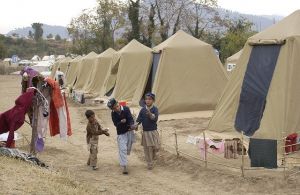
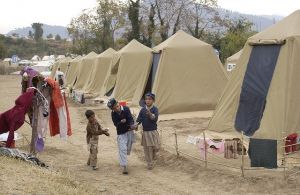
Many refugees live in refugee camps. Later, depending on their situation, they may be officially accepted as refugees by neighboring countries with support from international organizations, or they may return to their home country if conditions stabilize and the immediate danger passes.
Sources referenced in the original article include UNHCR and the United Nations Information Centre’s explanations of the difference between refugees and migrants.
Refugees Are Protected by International Rules
Refugees are people who have left their country because of war or persecution, but there are also legal rules that define refugee status. The main framework is the 1951 Convention Relating to the Status of Refugees.
According to the standards described by Japan’s Ministry of Foreign Affairs, a person may be recognized as a refugee if they meet conditions such as:
- They have a well-founded fear of persecution because of race, religion, nationality, membership in a particular social group, or political opinion.
- They are outside their country of nationality.
- They cannot receive protection from that country, or they do not wish to receive that protection because of that fear.
In other words, refugees are people who cannot be protected by their own country, are being persecuted by their own country, or may face persecution because of their political opinions, and have fled abroad.
Japan is a party to the Refugee Convention. This means that if someone meets the legal definition of a refugee and arrives in Japan, they should not simply be punished as an illegal entrant or overstayer, or forcibly sent back to danger.
Refugees and Migrants: What Is the Difference?
A term often confused with “refugee” is “migrant.”
The Organisation for Economic Co-operation and Development describes migrants, broadly, as foreign nationals who stay in a country for one year or more. Migrants may leave their home country for many reasons, including work, study, family, or lifestyle.
Refugees, however, flee because their lives or freedom may be at risk. That difference is crucial.
Another important point is protection. If migrants run into serious trouble abroad, they can often seek help from their own country. Refugees usually cannot. That is why international rules exist to protect them.
Is Japan a Country That Does Not Accept Refugees?
Japan is a member of the Refugee Convention, but it is fair to say that its refugee recognition system is extremely strict.
According to a Ministry of Justice document on refugee recognition in 2018, there were 10,493 applications for refugee status in Japan that year. The number of people actually recognized as refugees was 42—less than 0.5% of applicants.
In 2017, there were 19,629 applications, but only 20 people were recognized. These figures show why many people say that applying for refugee status in Japan rarely leads to approval.
Compared with the United States and many European countries, Japan’s recognition rate is extremely low.
Even if someone is not recognized as a refugee, they may sometimes receive special permission to stay in Japan on humanitarian grounds. They can also request another review by immigration authorities, and if that fails, they may take the matter to court. Still, for people who have fled their own country, navigating such procedures can be extremely difficult.
Japan’s Ministry of Justice has stated that it does not intentionally set a high barrier against refugees. Even so, looking only at the numbers, the process is undeniably a narrow gate.
There are many opinions about why Japan accepts so few refugees. Possible factors discussed in Japan include negative public images of refugees and the country’s broader history and debates around long-term foreign residents, including Korean residents in Japan. The issue is complex and politically sensitive.
Why This Matters
This article has looked at what refugees are and how many people Japan recognizes as refugees. It may feel like a serious topic, but it is important background for understanding stories about the Rohingya, Indochinese refugees, and other displaced communities.
Refugee issues are not only about humanitarian aid. They are also deeply connected to international politics, national identity, and fear.
When we think about refugees, we catch a glimpse of one of the darker sides of the world.
Japanese Language
ロヒンギャや東ティモール、カンボジアやインドシアなど世界中で戦争や弾圧が起こるとその場所から逃げて来る人たちがいます。いわゆる「難民」です。弾圧や戦火から逃れるために、家や住み慣れた土地を捨てて逃げてくる人は国境を超えて他国に避難することも珍しくありません。ニュースでもよく耳にする「難民」という言葉…難民とはどんな人たちの事なのか、そして、日本は難難民申請を受け入れにくいと言われていますがそれは事実なのでしょうか。難民ってどんな人たちのこと?
。。画像:Pixabay 。難民については「難民の地位に関する条約」で次のように定義されています。「人種、宗教、国籍、政治的意見やまたは特定の社会集団に属するなどの理由で、自国にいると迫害を受けるかあるいは迫害を受けるおそれがあるために他国に逃れた」。人達の事。つまり、弾圧や戦争などの命の危機から逃げて、国境を超えて他国に入った人のことです。もちろん、難民の多くはパスポートを持っていませんし正規のルートで正当に外国に入国ることは難しくなります。
命からがら逃げてくるわけですから、それはした方のないことです。もちろんこれは、平常時なら不法入国となりますが、命からがら逃げてくる武器を持たない一般の人たちを追い返すことはできません。ちなみに、国境を超えてはいないものの同じように避難してきた人のことは「国内避難民」と呼ばれています。難民の多くは「難民キャンプ」などで生活をしてその後、様々な支援を受けて近隣の国家に難民として正式に受け入れてもらうか、情勢が安定して命の危機が去った場合は自国に戻ったりします。
参考資料: UNHCR 。難民と移民の定義 | 国連広報センター 。。難民にもちゃんとしたルールがある。。画像:Pixabay 。難民は戦争や弾圧で自国を離れて避難してきた人の事ですが、 難民条約(1951年の難民の地位に関する条約)という条約でルールが定められています。難民として認定されるためには。(a)人種,宗教,国籍若しくは特定の社会的集団の構成員であること又は政治的意見を理由に,迫害を受けるおそれがあるという十分に理由のある恐怖を有すること。
(b)国籍国の外にいる者であること。(c)その国籍国の保護を受けることができない,又はそのような恐怖を有するためにその国籍国の保護を受けることを望まない者であること。(引用:外務省ホームページ 。つまり、。自分の国から守って貰えない人 自分の国から弾圧されている人 政治的意見で弾圧される危険がある人 が、外国に逃げた場合が難民ということです。日本はこの難民条約に加入していますので、難民の定義に当てはまる人が逃げてきた場合には、不法侵入や不法滞在者として処罰したり、送還することはできません。
難民と移民ってどう違うの?。難民とよく似ているのが、移民です。。移民については経済協力開発機構は「国内に1年以上滞在する外国人」としています。移民の場合は自国を出国した理由は特に限定されていません。ですが、 難民は命の危険があって逃げて来た人 のことですから、外国にやってきた理由が大きく違います。ですが、 移民の場合は何かトラブルに巻き込まれた時には自国に助けてもらえますが、難民はそれができません。なので、難民を保護する為に、条約でルールがつくられているのです。
日本は難民を受け入れない国?。。画像:Pixabay 。日本は難民条約に加入している国ですが、 難民の受け入れに関してはかなりシビア な国といっていいでしょう。法務省が発表している「平成30年における難民認定者数等について」という資料では、平成30年の難民認定申請者数は10,493人ですが実際に難民申請を受け入れられた人は 42人 …つまり 0.2%以下 です。2017年度は19,629人に対して申請が認められたのは20人ですので、日本で難民申請してもほぼ受け入れられないといっていい数字です。
これは、アメリカやヨーロッパと比較しても極端に低い認定率です。難民認定されない場合でも、 人道配慮による在留特別許可を貰える場合もありますし、入国管理局に再度の審査の請求もできます。それでもダメなら裁判という手もあります が、もともと自国から逃げて来た人がこの手続きをすることにはかなり無理があると言わざるを得ないでしょう。法務省は「決して難民への壁を意図的に高くしているわけではない」と言いますが、数字だけ見るとかなりの狭き門であることは事実です。
日本がなぜ、難民をなかなか受け入れないのかについては様々な意見がありますが、難民に対するネガティブイメージ、そして、そもそも日本国内に在日韓国人が多数で在留していることなどもその要因のひとつかもしれません。まとめ。難民とは何か、そして、日本はどのくらいの難民を受け入れているのか…。ちょっと高い話になりましたが、ロヒンギャやインドシナ難民などご紹介する前提として知っておいていただきたい情報をまとめました。難民には人道支援だけでなく国際政治なども深く関わっています。
難民を考えれば世界の闇を少しだけ垣間見ることができるのです