English Version
Munakata Taisha became widely known across Japan after its World Heritage registration. Around New Year’s, huge numbers of people come for hatsumode, the first shrine visit of the year—not only from within Fukuoka Prefecture, but also from neighboring prefectures and farther away.
The main sanctuary and the sacred island of Okinoshima often get the most attention, but within Munakata Taisha there is also a ritual site called Takamiya, considered an especially holy place. Ordinary visitors cannot set foot on Okinoshima, but anyone may climb to Takamiya.
Where Is Munakata Taisha?
Munakata Taisha is a shrine in Munakata City, Fukuoka Prefecture. In 2017, it was registered as part of the UNESCO World Heritage property “Sacred Island of Okinoshima and Associated Sites in the Munakata Region.”
The shrine is known as a guardian of roads and travel, and along with Izumo Taisha, it has been honored with the title Michinushi-no-Muchi, a deity connected with guidance and routes. Munakata Taisha also holds many National Treasures and is sometimes called “the hidden Ise.”
Strictly speaking, Munakata Taisha is the collective name for three shrines: Okitsu-miya on Okinoshima, Nakatsu-miya on Chikuzen Oshima, and Hetsu-miya in Tajima, Munakata City. The shrine most people can reach by land is Hetsu-miya in Tajima. Nakatsu-miya on Oshima can be reached by ferry. Okinoshima, however, is not open to the general public, and there is no regular ferry route to the island. If you want to see it from the sea, the only option is to charter a boat and approach the surrounding waters without landing.
Today, when people say “Munakata Taisha,” they often mean Hetsu-miya in Tajima. Since the World Heritage registration, the number of overseas visitors has also increased.
Nakatsu-miya on Oshima
Munakata Taisha’s Nakatsu-miya is located on Oshima. You can take a ferry from Konominato to the island; the ride takes about 15 minutes. From the port on Oshima, it is about a 30-minute walk to Nakatsu-miya. There are buses, but the number of services is limited, so walking or taking a taxi may be easier for many travelers.
Oshima is also said to be connected with the origins of Tanabata. There is actually a river on the island called the Amanogawa, or Milky Way River. Small shrines stand on both banks, and they are associated with the legend of Orihime and Hikoboshi, the star-crossed lovers of Tanabata.
Okitsu-miya and the Forbidden Island of Okinoshima
Okitsu-miya, another shrine of Munakata Taisha, stands on Okinoshima, the island often described as “the island where the deity dwells.” In the past, the island was known for its ban on women. Today, even men from the general public cannot visit it.
Okinoshima lies between Kyushu and the Korean Peninsula, and many valuable cultural objects remain connected with the island. Because treasures have been discovered across the island—and because more are still believed to exist there—it is sometimes called “the Shosoin of the Sea,” comparing it to the famous treasure house in Nara.
These treasures are thought to have been offerings to the deity of Okinoshima, which was long important as a key point for sea travel. Excavated items include mirrors, magatama beads, and gold rings. At present, the number of treasures connected with Okinoshima is said to be around 100,000, with about 80,000 designated as National Treasures. Many of the items excavated from Okinoshima are displayed at the Shinpokan Museum within the grounds of Munakata Taisha Hetsu-miya.
There are several theories about why Okinoshima was once closed to women. One story says that because a female deity is enshrined there, women who landed on the island would provoke jealousy. Some people have claimed that a woman’s landing would bring divine punishment or rough seas, but there is little evidence for these rumors. Since women can worship at other parts of Munakata Taisha, some local people believe the ban may have come from the fact that, in the past, Okinoshima was simply not a place women could easily travel to.
Another taboo says that anything seen or heard on Okinoshima must never be spoken of outside the island. The island itself is considered a sacred body of the deity, and even men were traditionally required to undergo purification before landing. Today, ordinary people are not permitted to land at all.
The waters around Okinoshima are also rich fishing grounds, so many fishing boats operate nearby. If you visit Munakata Taisha as a traveler, do not attempt to land on Okinoshima or approach restricted areas. Most visitors worship at Hetsu-miya in Tajima, which is the easiest to reach, and some continue by ferry to Nakatsu-miya on Oshima.
Climbing to Takamiya at Hetsu-miya
Within the grounds of Munakata Taisha, Takamiya is regarded as one of the most sacred places. It is about a five-minute climb up the stairs from the main shrine building. The stairs are steep, but handrails are installed, and if you take your time, children and older visitors can make the climb.
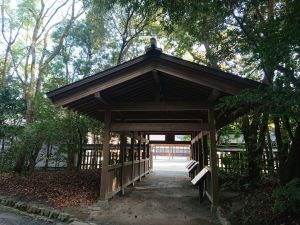
To reach Takamiya, you pass along a small path beside the main sanctuary. The approach is covered in green and has a quiet, beautiful atmosphere. After walking through the trees, you come to a torii gate. Beyond it, the stairs continue upward toward Takamiya.
When I visited, it was before 9:00 in the morning. After climbing for about five minutes through the greenery, the path opened into a wider space. From there, the sea was visible.
Takamiya has a cool, sacred feeling in the air. Anyone may worship there, but the ritual site itself does not have a large building standing over it. I was unsure whether it would be appropriate to photograph the ritual space directly, so I chose not to take pictures of it.
After worshiping at Takamiya and looking back down the stairs from above, the slope feels quite steep. Even so, I saw older worshipers climbing slowly and carefully. Okinoshima is not a place most people can visit, but Takamiya is located inside Hetsu-miya’s grounds, making it an accessible sacred site for travelers.
Takamiya is also where the Takamiya Kannabi Festival is held, a ritual that concludes events such as the autumn Miare Festival. According to the shrine’s tradition, Takamiya is said to be the place where the first deity descended, and it has been revered as an ancient sacred site connected with the origins of Hetsu-miya. The word “kannabi” refers to a mountain or grove where the gods descend. Since ancient times—reportedly from before the Nara period—Takamiya has been treated as a deeply sacred place.
If you visit Munakata Taisha, it is worth going not only to the main sanctuary but also up to Takamiya, as long as you are able to climb the stairs safely.
The History of Munakata Taisha
Munakata Taisha has a very old history. According to myth, when Amaterasu Omikami bit and broke Susanoo’s sword, fragments flew out and gave birth to the three Munakata goddesses: Tagorihime, Tagitsuhime, and Ichikishimahime.
The Nihon Shoki, one of Japan’s oldest historical chronicles, records that Amaterasu gave a divine command for the three goddesses to assist the rule of successive emperors and receive careful rituals. The goddesses then descended to the Munakata region and came to be worshiped there.
When the ancient ritsuryo system was introduced and the country was divided into provinces and districts, the Munakata district was treated as shrine land. The powerful Munakata clan also conducted religious rites there. Over time, as the clan declined and wars broke out, the shrine was repeatedly burned and destroyed, but it was rebuilt again and again.
The Hetsu-miya main sanctuary is connected with the Tensho era and is now designated as an Important Cultural Property. After World War II, Munakata Taisha is said to have fallen into disrepair. It was rebuilt with the support of Sazo Idemitsu, a businessman from Munakata who later became the model for the novel “A Man Called Pirate.” Idemitsu formed a restoration association for Munakata Shrine, became its first chairman, and worked to revive Munakata Taisha.
Today, the large shrine grounds are beautifully maintained, with a pond where koi swim, impressive gates, and a spacious parking area. Locally, the shrine is affectionately known as “Tajima-san,” and worshipers visit even on weekdays.
Festivals at Munakata Taisha
During the season of Munakata Taisha’s Hojoe rites, the Miare Festival is held. Rituals to welcome the deities take place at Nakatsu-miya on Oshima and Okitsu-miya on Okinoshima, while local fishing boats raise colorful flags and proceed across the sea.
The sight of the fishing fleet moving over the water with bright tairyobata banners is powerful and vivid. It is one of Fukuoka’s autumn traditions.
Munakata Taisha also holds many other annual rites and festivals, including a tea offering ceremony, the Spring Grand Festival, the Summer Purification, the Tanabata Festival, and the Year-End Purification.
Final Thoughts
Munakata Taisha became more famous after its World Heritage registration, but it has long been treasured as a sacred place. The name Munakata Taisha refers to three shrines: Hetsu-miya, Nakatsu-miya, and Okitsu-miya. The shrines ordinary visitors can worship at are Hetsu-miya and Nakatsu-miya.
At Hetsu-miya, the central shrine in Tajima, visitors can also find Takamiya, along with other associated shrines. Takamiya is considered a holy place, but it is open to worshipers. If you visit Munakata Taisha, consider climbing up to Takamiya as part of your visit—respectfully, quietly, and at your own pace.
Japanese Language
世界遺産登録されたことで全国的に知られるようになった宗像大社…お正月になると福岡県内だけでなく近隣の県や遠方からよたくさんの人が初詣に訪れます。本殿やと沖ノ島が注目される宗像大社ですが、宗像大社の中には「高宮」と呼ばれる祭場がありとても神聖な場所とされています。沖ノ島は一般人の立ち入りはできませんが、高宮には誰でも登ることができます。宗像大社の場所。。宗像大社は福岡県宗像市にある神社です。平成29年に「神宿る島」宗像・沖ノ島と関連遺産群に登録されました。
「道の神」として知られており出雲大社と並んで道主貴と称されています。数多くの国宝を有しており「裏伊勢」と呼ばれることもあります。宗像大社というのは、三社の総称で沖ノ島にある沖津宮、筑前大島にある中津宮そして、宗像市田島にある総社の辺津宮の総称です。陸路で参拝できるのは田島の辺津宮で、大島の中津宮には渡船で渡ることができます。沖ノ島は一般の人は上陸できません。定期航路などもないため、島を見るためには船をチャーターして島の近くまで行くしかありません。
今、宗像大社というと田島の辺津宮を指す場合が多く、世界遺産登録後は外国からの観光客も増えました。宗像大社 中津宮。宗像大社の中津宮は大島にあります。神湊から渡船で大島へ渡ることができます。渡船に15分揺られると大島に到着しますので、そこからは徒歩30分位で中津宮に参拝できますバスもありますが、本数が少ないので徒歩かタクシーがで行く方がよいかもしれません。大島は「七夕発祥の地」とされている場所でもあります。実際に天の川という川が島内にあり、天の川の両岸に小さな社があり、それが織姫と彦星伝説の由来とされています。
参考資料: Wikipedia 。宗像大社ホームページ 。宗像大社 沖津宮。宗像大社の沖津宮は「神宿る島」と称される沖ノ島にある社です。以前は女人禁制とされていましたが、今は男性でも一般の人は行くことができない場所です。九州と朝鮮半島を結ぶ位置にあることもあり、沖ノ島にはたくさんの貴重な文化財が今でも眠っています。島全体にたくさんの宝物が発見されたこと、そして、今でもなお宝物があることなどから「海の正倉院」とも呼ばれています。これらの宝物は、昔から海の交通の要衝として重要視されていた沖ノ島の神に奉納されたものであると考えられており、鏡、勾玉、金製の指輪などが出土しています。
現時点でも宝物の数は約十万点にのぼりそのうち八万点が国宝に指定されています。沖ノ島から出土した宝物は宗像大社辺津宮の境内内にある神宝館に展示されています。沖ノ島が女人禁制である理由はいろいろな説があるのですが、女性神が祭られており女性が上陸すると嫉妬されてしまうとも言われています。実際に、女性が上陸すると祟りがあるとか、海が荒れるという人もいますが根拠はほとんどありません。宗像大社の沖津宮以外の場所は女性でも参拝できることから、地元では「昔は女性が容易に行けるような場所ではなかったから女人禁制とされたのではないか」と考える人もいます。
沖ノ島で見聞きしたことは、口外してはならず「お不言さま」で決して外に話をしてはならないとされています。沖ノ島は島そのものがご神体なので、男性でも禊をしなければ上陸できませんし、今では男性でも一般の人は上陸できないようになっています。沖ノ島の周辺は優良な漁場であるため周辺海域では漁船が多く操業しています。観光で宗像大社を訪れる人のほとんどは、最も簡単に参拝できる田島の辺津宮に参拝する人最も多く、その次に渡船で渡れる大島の中津宮を参拝する方が多くなっています。
辺津宮 高宮に登ってみた。。宗像大社の境内の中でも「神聖な場所」と位置付けられる高宮は、宗像大社の本殿から階段を登って5分程度です。階段は急ですが、手すりも整備されていますし、ゆっくり登れば子供やお年寄りでも登ることができます。。高宮に登るには本殿の横にある小路を抜けていきます。緑に覆われたとても綺麗な参道を歩いていくと、鳥居があります。。この鳥居の先は高宮に続く階段となっています。この写真を撮ったのは朝の9時前…緑に囲まれた階段をの5分登ると開けた場所に出ます。
ここからは海が見えていますね。。高宮はとてもひんやりとした神聖な空気に包まれています。祭場はこの先、高宮の社はこのようになっていて誰でも参拝できます。。祭場を直接写真にとって良いものか…迷いがあったので撮影は控えましたが、祭場そのものには建物などは立てられていません。。。高宮で参拝を済ませたあと、上から階段を見下ろすとこんな感じ…。かなり急な階段ですが、高齢者の方もゆっくり登られていました。。沖ノ島にはそう簡単には参拝できませんが、高宮は田島の辺津宮の境内の中にあるので参拝しやすい場所です。
高宮では、秋に行われるみあれ際などの最後を締めくくる高宮神奈備祭という神事が行われる場所です。高宮は、社家の説によると「第一神始めて降臨有し、辺津宮の旧址といふ、神代より天應元年(781)まではここに惣社の御座あり、旧社に社を立て下高宮といふ」との記録があり、宗像大神降臨の伝承地である宗像山・高宮を神奈備山・神奈備の杜と崇められて来ました。神奈備とは、「神々が降りてくる山や杜」を意味します。古くからとても神聖な場所とされており、奈良時代以前から聖なる場所としてあがめられていました。
引用: 宗像大社 ホームページ 。宗像大社に参拝するときには、本殿だけでなく是非、高宮まで足を向けて見られるのはいかがでしょうか。。宗像大社の歴史。。宗像大社の歴史は古く、天照大神が素戔嗚の剣を噛み砕いたときに吹き出した破片から宗像三女神の、田心姫神、湍津姫神、市杵島姫神が生まれたとされています。日本最古の歴史書といわれる「日本書紀」には、「歴代天皇のまつりごとを助け、丁重な祭祀を受けられよ」との 神勅(しんちょく)(天照大神のお言葉)により、三女神がこの宗像の地に降りられ、おまつりされるようになったことが記されています。
(引用: 宗像大社ホームページ )。律令制導入で国郡制が布かれたときには、宗像一郡は神領とされ、豪族の宗形氏は神事も取り行っていました。宗形氏の衰退や、その後の戦争などで何度も放火や、破壊の対象となりましたが何度も再建されてきました。宗像大社辺津宮は天正6年に重要文化財に登録されています。。第二次世界大戦の後、宗像大社は荒廃していたそうですが、宗像市出身の実業家で「海賊と呼ばれた男」のモデルになった出光佐三さん寄付で再建されました。出光佐三さんは「宗像神社復興期成会」を結成し自ら宗像大社の初代会長に就任し宗像大社の再建に尽力しました。
。今では広大な境内はとても綺麗に整備されており、鯉が泳ぐ池や立派な門、立派な駐車場が整備されています。地元では「田島さん」と呼ばれて親しまれている一面もあり、平日でも参拝者が絶えることはありません。みあれ祭などの祭り。宗像大社の放生会の時期に行われる神事「みあれ祭」では大島の中津宮と沖ノ島の沖津宮で神迎えの儀式が行われ、地元の漁船が大漁旗を上げて海上海幸が行われます。いろとりどりの大漁旗を上げて漁船団が海上を進む様子は勇壮で、福岡県の秋の風物詩のひとつです。
他にも献茶祭や春季大祭、夏越大祓、七夕祭、年越大祓など様々な祭りが行われています。まとめ。世界遺産登録されたことで知名度が上がった宗像大社ですが、昔から神聖な場所として大切にされてきた社です。宗像大社とは、3つの社(辺津宮、中津宮、沖津宮)の総称で一般の人が参拝できるのは、辺津宮と中津宮です。総社の辺津宮には、本殿の他に高宮や二宮、参宮も設けられています。高宮は神聖な場所ですが、誰でも参拝できるので宗像大社を訪れたたきには是非、高宮に登ってみられてください