English Version
Many readers came to know Qin Shi Huang through the manga Kingdom. The main story follows a boy named Xin as he aims to become a great general under heaven, but the other central figure, almost a hidden protagonist, is Ying Zheng, the king of Qin. In the series, he is usually called Zheng.
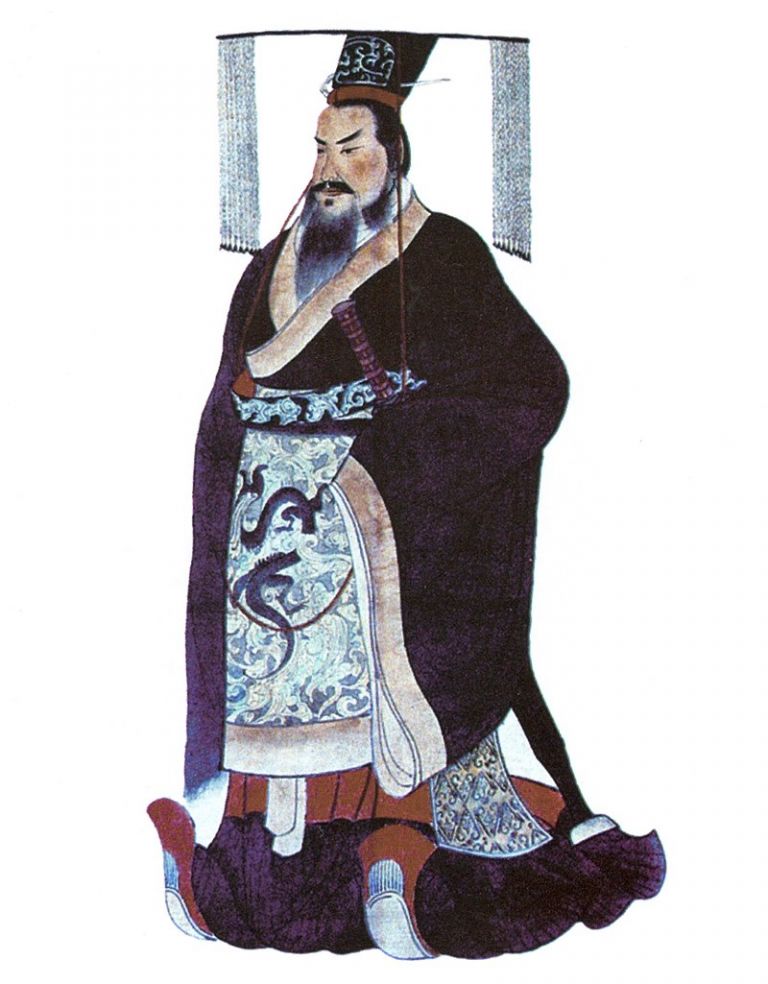
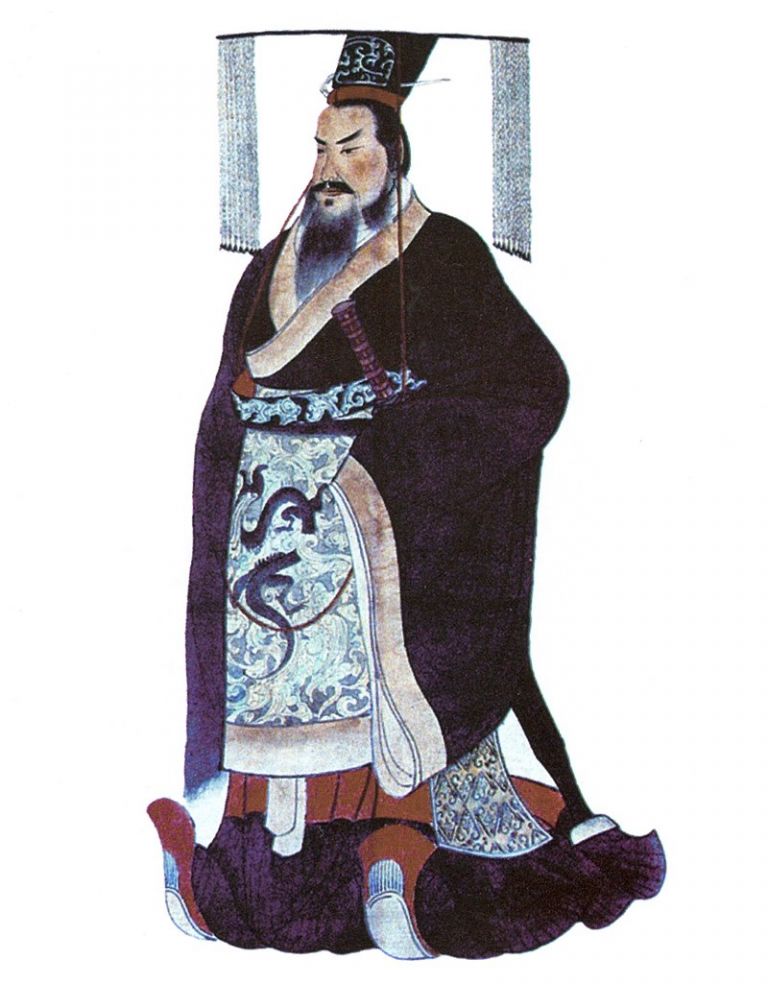
In the history of ancient China as it is currently understood, Ying Zheng, later known as Qin Shi Huang, was the first ruler to unify China. He achieved that unification around 221 BCE, and his reputation has remained deeply divided ever since.
Because he was the first to bring the warring states under one rule, he was also a reformer who transformed the structure of the state. The manga version of Kingdom has not yet reached its ending, but here we will look at the historical Qin Shi Huang as described in sources such as the Records of the Grand Historian.
The life of Qin Shi Huang, or Zheng
Kingdom adds many fictional touches to its characters, including their personalities and dramatic details. However, major elements such as the circumstances of Qin Shi Huang’s birth and his childhood as a hostage are based on the Records of the Grand Historian.
In other words, while the manga’s characterization and scenes are fictionalized, the broad outline of the history is rooted in historical records. In an interview published on January 4, 2018, in Manga Course Jump-ryu No. 21 with a DVD supplement, Kingdom creator Yasuhisa Hara discussed these kinds of details.
The Records of the Grand Historian mainly preserves events and narratives, and it does not always describe individual personalities in depth. This is especially true for many of Qin’s generals, who are heavily characterized in the manga. Core figures such as Lü Buwei and Zheng, however, appear as important narrative figures in sections such as the Biography of Lü Buwei and the Basic Annals of Qin Shi Huang.
Zheng’s childhood as a hostage in the state of Zhao and his accession to the throne at age 13 are not far from the historical record. There are also long-standing discussions about his birth and his relationship to Lü Buwei. In the large battle scenes, many of the main generals and notable figures are also names that appear in the Records of the Grand Historian.
After Zheng became king at 13, he was in danger of being used as a pawn by Lü Buwei, a chancellor with enormous power. Zheng eventually succeeded in pushing back Lü Buwei’s faction, using the relationship between Lü Buwei and Zheng’s mother as the reason.
Lü Buwei had been involved with Qin royal power since the era of Zheng’s great-grandfather, so the young king had almost no way to oppose him directly. But when Zheng was 22, the faction around the Queen Dowager rebelled, and Lü Buwei’s connection to her was exposed. Three years later, when Zheng was 25, he decided to remove Lü Buwei from politics.
According to the Biography of Lü Buwei in the Records of the Grand Historian, the order essentially asked: What achievements had Lü Buwei made for Qin to deserve a fief of 100,000 households in Henan? What connection did he have to the Qin royal family that allowed him to call himself the king’s honored father? He was ordered to move with his entire family to Shu.
After receiving this decision, Lü Buwei is said to have killed himself by poison. It is also said that Zheng punished people who showed grief at Lü Buwei’s funeral.
From this point, the wars against the other states began in earnest. The Qin Shi Huang described in the Records of the Grand Historian unified China, but the process was also marked by acts of mass killing that helped make his name feared.
Massacres attributed to Qin Shi Huang
As Zheng waged war against the other states, several accounts say he carried out ruthless massacres in more than one place.
Burials alive in the Qin-Zhao War
The second target of Qin was Zhao, the state where Zheng had spent part of his childhood. In this war, Zhao reportedly failed to use Li Mu, shown in Kingdom as a powerful general, and his son Sima Shang. As a result, Qin is said to have won an overwhelming victory.
After annexing Zhao, the land of his childhood, Zheng is said to have had all the forces that had been in conflict with his mother, the Queen Dowager, buried alive.
Revenge for the assassin from Yan
Qin had repeatedly fought with Yan and already held a major military advantage. In desperation, Yan asked an assassin named Jing Ke to kill King Ying Zheng of Qin.
The assassination attempt took place during an audience with Zheng. The situation became so dangerous that, with one wrong move, Zheng could easily have lost his life.
Furious, Zheng conquered Yan. According to the story, he killed not only Jing Ke’s clan but also the townspeople of Ji, the Yan capital, which corresponds to present-day Beijing. As with many ancient accounts, the details should be read cautiously, but the episode became part of the terrifying image attached to Qin Shi Huang.
Suppression of Confucianism
Before unifying all of China, Zheng governed Qin through law, using legal rules to control behavior within the state. After unification, he treated Confucianism as something that stood in opposition to those laws. Confucian scholars and books connected to Confucian teaching were burned or harshly suppressed.
Later researchers have argued that there may have been a certain political logic behind this policy. Even so, from the viewpoint of people who saw an established Confucian culture being destroyed, it could easily have looked like rule by terror. It is also said that outside advisers influenced this suppression.
Qin Shi Huang died at only 49
After unifying China, Zheng became the first ruler to take the title of emperor and carried out many reforms. He became Qin Shi Huang at just 39 years old, but only ten years later, he died at the age of 49.
Qin’s period of unified rule was extremely short. Some later scholars have suggested that if Qin Shi Huang had lived longer, he might have achieved even greater things. On the other hand, critical comments also survive from people who served in his own era, so the question of whether Qin Shi Huang was truly a great man remains disputed.
For travelers and history fans, sites connected with ancient rulers and battlefields are best approached through official museums, marked historic areas, and guided routes. Many of these stories come from ancient texts, and the darker legends should be treated as part history, part inherited memory.
In the next installment, we will look at the reforms Qin Shi Huang introduced and how he changed the country from the systems of the earlier age.
Japanese Language
マンガ「キングダム」のモデルとして多くの人が知るところになった始皇帝。キングダムで扱われている主人公は「信」という少年が天下の大将軍を目指す物語ですが、いわば裏の主人公とも言えるのが、秦王である嬴政(えいせい)です。※作中ではほとんどの場面で政(せい)と呼ばれていますね※ 。現在までに確認されている古代中国の歴史上では初めの全を統一を果たしたのが、この嬴政こと始皇帝でした。およそ 紀元前221年に中国統一を果たした始皇帝は、後世の評価が非常に分かれる人物 です。
また、史上初の統一を果たしたことから、それまでの制度から大きく国家の体制を変革した改革者でもあります。マンガ版「キングダム」は完結していませんが、ここでは史記などに残された 「史実の始皇帝」 について紹介していきたいと思います。始皇帝(政)の生涯とは?。。画像引用元: 始皇帝 。実はキングダムの物語はキャラクターの特徴や性格などには作者である「原泰久」によって様々な脚色が付けられていますが、始皇帝の生まれた経緯や幼少期に人質だったことなどは史記を元にしています。
つまり、キングダムで描かれているものは描写や人物の特徴はフィクションですが、大筋の歴史については史実に基づいていると言えます。2018年1月4日に出版された「DVD付録付 マンガ講座 ジャンプ流No.21」の中で、キングダムの作者である原泰久はインタビューでこれらの詳細を語っています。。史記には、主に出来事と物語が書かれていますが、人物像についてはあまり触れられていません。特に秦国の将軍たちなどは大幅にキャラクター付けがされています。しかし、核となるキャラクターである呂不韋や政などは、 「呂不韋伝」 や 「秦始皇本紀」 という中に物語として紹介されているのです。
政の 幼少期は趙の国で人質として育ったこと や、 政が13歳で王位についたこと は史実とあまり相違がありません。また、呂不韋との関係性に関する政の出生の議論なども行われており、大きな戦いを描いているシーンなどでは、主力である将軍の名前や活躍した人物は主に史記にも記述があるのです。13歳で即位した政は、呂不韋という強大な権力を持った丞相の手駒として使われそうになりますが、政の母と呂不韋との関係を理由にして呂不韋の一派を退けることに成功します。
呂不韋は政の曽祖父の時代から秦国の王権に関与していたため、幼年王であった政には全く太刀打ちする術がなかったそうです。しかし、政が22歳の時に太后一派が反乱を起こし、この時に呂不韋と太后の関係が発覚します。そしてそこから3年後、 政が25歳の時に呂不韋を政界から排除する決定 を出します。君何功於秦。秦封君河南,食十萬戶。君何親於秦。號稱仲父。其與家屬徙處蜀!。秦に対し一体何の功績を以って河南に十万戸の領地を与えられたのか。秦王家と一体何のつながりがあって仲父を称するのか。
一族諸共蜀に行け。— 史記「呂不韋列伝」14 。引用元: 始皇帝 。この決定を受けた呂不韋は服毒によって自殺。さらに政は呂不韋の葬儀で悲しんだ人物も含めて処罰したと伝わっています。ここから、世間一般に知られる各国との戦争が始まるのですが、 史記に伝わっている始皇帝は中国統一をしていく過程で多くの虐殺も行っている のです。始皇帝が恐れられた虐殺行為。政は各国との戦争を行っていく上でいくつかの国で徹底的な虐殺行為をしたことが伝わっています。
秦趙戦争での生き埋め。秦国が2つ目に標的にしたのが政の幼少期を過ごした趙でした。この戦争ではキングダムでも強力な将軍として描かれる李牧やその子であった 司馬尚を趙側が用いなかったことから、秦国が圧倒的な勝利を納めたと伝わっています。。幼少期に過ごした趙を併合した政は、母である皇后と揉めていた勢力を全て生き埋めにしたと言われています。燕の暗殺者に対する報復。燕との戦争を繰り返していた秦国は既に武力では圧倒的に優位に立っていたことから、燕は 荊軻という刺客に秦王嬴政の暗殺を依頼します。
。この暗殺未遂事件は政との謁見の際に行われており、一歩間違えれば政はこの時に生命を落としていてもおかしくないほどの状況に追い込まれます。これに激怒した政は燕を攻略し、暗殺を狙った 荊軻の一族に加えて現在の北京にあたる燕の首都であった「薊」の町人を皆殺しにしたそうです。。儒教の弾圧。中国全土を統一する前に政は法律によって秦国の行為を取り締まるという法による統治をおこなっていました。しかし、中国統一後は儒教が法律と相対するものであるとし、儒家や儒教に関する書物を焚書にし、厳しく取り締まっています。
この行為については後年の幾人の研究者によって一定の正当性は認められていますが、それまでの儒教文化を完全に壊したという意味では恐怖政治に映ったのかもしれません。また、この弾圧には外部の人間の入れ知恵があったとも言われています。わずか49歳で亡くなった始皇帝。中国統一を果たした後の政は皇帝という位を初めて冠し、様々な改革を行ってきましたが若干39歳で始皇帝となった政はそこからわずか10年後の49歳で亡くなってしまいます。また、秦の統一は非常に短い期間しかありませんでしたが、後世の研究者によっては皇帝になった政が長命であればもっと大きな偉業を成していたのではないか?
という評価もされています。一方で同時代に直接仕えた人物からは批判的な言葉も残されている事から、必ずしも始皇帝は素晴らしい人間であったかどうかは議論の分かれるところです。次回は始皇帝がそれまでの時代から大きく変えた国の改革について紹介していきます。▼参考・出典▼