English Version
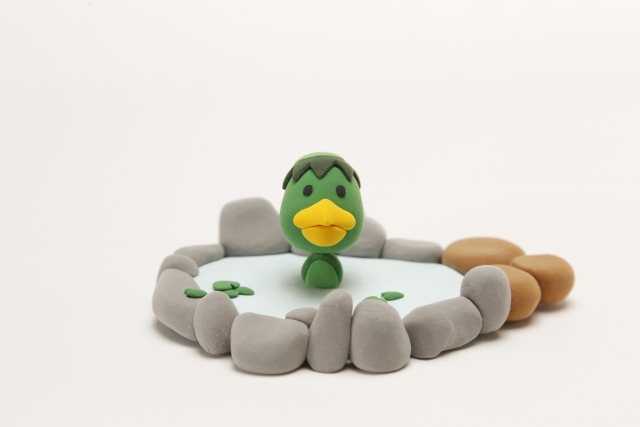
Kappa are often counted among Japan’s three great yokai, alongside oni and tengu. Compared with many other spirits and monsters, kappa legends are found across a wide area of Japan, and most people can picture one as soon as they hear the name. Today, kappa also appear as cute local souvenir characters in many regions.
But behind that familiar image are stranger and darker theories. Some traditions connect kappa with drowned bodies, while others trace parts of the legend back to China. This article looks at the mysterious history of the kappa and how its stories changed from region to region.
The History of the Kappa
Although kappa are widely known as Japanese yokai, older regional traditions suggest that their origins were not the same everywhere.
In western Japan, one theory says that a kappa-like creature came from China and gradually developed into the form known today. It was called Enko, and it was said to reach into a person’s body through the anus and remove the liver.
This may be one origin of the later kappa belief that the creature steals the shirikodama, a mythical organ or soul-ball said to be located inside the body. Many Japanese yokai are said to have roots or influences from China, but it may surprise some readers that kappa are included in those discussions as well.
In eastern Japan, there is another, very different theory. Some stories say that the kappa began as dolls created by Hidari Jingoro to help with his work, and that these dolls eventually transformed into yokai.
Hidari Jingoro is traditionally said to be the master sculptor behind famous works such as the “Sleeping Cat” at Nikko Toshogu Shrine, making him a major name in the world of Japanese sculpture. The idea that kappa may have developed from animated dolls is less widely known, but it is an interesting story to bring up when talking about yokai history.
Considering these different origins, it becomes easier to understand why kappa legends vary so much depending on the region.
What Were Kappa Really?
Kappa “mummies” have sometimes appeared on Japanese occult TV programs and in mystery features. However, many of these are now understood to be artificial objects made during the Edo period. Some were created by combining and modifying animal parts, such as otter bones or owl bones.
Another theory is that some reported kappa sightings may have been misidentified drowned bodies. A body recovered from water can become discolored, and the skin may take on a greenish appearance. Hair loss and decomposition can also make the body look disturbingly unnatural. It is possible that people in the past interpreted such tragic sights as kappa.
Many kappa legends are connected to ponds, rivers, and marshes. Because of that, some researchers and folklore fans believe these stories may have helped warn children about the dangers of water.
Even so, kappa are still occasionally reported as mysterious creatures in modern times. Whether those sightings are mistakes, folklore, or something more, many people still want to believe there may be a little mystery left.
If you visit rivers, ponds, or rural waterways connected to kappa legends, enjoy them safely. Stay on public paths, do not enter restricted areas, and be especially careful around deep or fast-moving water.
Seko: The Mountain Kappa
Unlike kappa, which live in rivers and other waterside places, seko are said to live in the mountains. More precisely, seko are described as what kappa are called after they move into the mountains, so they are treated as a related type of yokai.
They are often said to look like small children, though their forms vary. Some are described as one-eyed, while others are said to have only one leg.
Compared with the many different kappa legends across Japan, seko stories often focus mainly on mischief and trouble. Because of that, they may have developed as a way to explain strange events that happened in the mountains.
Seko are especially known in Kyushu, so they are not as famous in northern Japan. That regional difference is part of what makes Japanese yokai folklore so rich.
Regional Kappa Legends
Nagano
In Nagano, there is a story from the Chikuma River about a captured kappa. The kappa was tied to a mortar and kept while being fed fish.
One night, the kappa appeared in a dream and begged to be released, promising that burdock seeds would never die out. When the people released the kappa as requested, the area was said to produce plentiful burdock.
Nagano also preserves another related tradition about a being called Kawataro.
Ibaraki
At Ushiku-numa in Ryugasaki City, Ibaraki Prefecture, there is a legend about a kappa that caused trouble and was caught. It was tied to a pine tree, but after it repented, it was released. Afterward, it was said to help cut grass.
Another local story says that someone found a kappa’s hand and returned it. In gratitude, the kappa taught them how to make a powerful all-purpose medicine.
Kyushu
Kyushu has especially strong kappa traditions. Unlike some other regions, Kyushu legends include a yokai called Kusenbo, said to command as many as 9,000 kappa. According to the stories, this group caused mischief and trouble.
In Oita Prefecture, there is also a tradition that a village’s peace was protected by the power of a kappa. Fukuoka Prefecture preserves many records as well, including stories of wars between kappa.
These are only a few examples. Across Japan, there are many more kappa legends, including stories known only to local residents. If you travel through Japan, you may find that the rivers, ponds, and old villages around you still have their own quiet yokai traditions.
Japanese Language
日本三大妖怪の一角として名高く、妖怪達の中でも比較的広範囲で伝承が残っている 河童。。他の三大妖怪「鬼・天狗」と同じように名前を聞いただけで姿を想像できるほど身近な存在となっており、ご当地お土産のキャラクターとしても多く活躍をしております。しかし身近な存在といっても 河童が「水死体」であったことや、中国から渡来してきてことなどはご存知ない方が多い です。そんな 謎多き河童 を本記事で歴史を交えながら紹介していきます。河童の歴史。河童は広く妖怪として認識されていますが原形初期までを歴史追っていきますと、まず西日本では中国から伝わり徐々に今の形に形成されていったとされており「猿喉」と呼ばれていました。
猿喉は肛門から手を入れて肝を抜き取ると言われており、現在まで伝わっている 「しりこだまを抜く」 という起源になっているのではないかと思われます。妖怪が中国由来であることは有名ですが、河童もそうであったとは驚きですね。そして反対の東日本では「左甚五郎」が自らの仕事を手伝わせるために生んだ人形が変化していったという説があります。人形が変化したという説はあまり知っている方がいらっしゃらないので、話のネタとして面白いです。ちなみに左甚五郎とはかの有名な日光東照宮の「眠り猫」などを彫刻した人物ではと言われており、日本彫刻界においてビッグネームとなります。
上記の点を踏まえますと各地で伝承が変化しているのはルーツが違うからという点で理解することができますね。河童の正体。。テレビのオカルト特番などで河童のミイラなどが有名になりましたが、実際は江戸時代に人工的に作成された人工物でありカワウソやフクロウの骨などを加工して作られていることがわかっています。また姿が確認された河童は人の水死体である可能性が高く、水死体は皮膚が緑色に変色し。頭髪が抜けて異形となってしまうため河童と勘違いされたのではないかと言われています。
河童の伝承が残る場所は沼や川などが多いですので、水辺の危険性を子供でも伝わるように生まれた可能性もありますね。ですが未確認生物として未だに目撃情報があがりますので、もしかしたらという場合も信じたいところ…。セコ。川や水辺に棲む河童とは違い、山に棲む河童のことを「セコ」といいます。正しくは河童が山に移り棲んだ後の呼び名ですのであくまでセコという妖怪の一種になります。幼い子供の出立をしており、1つ目であったり一本足であったりと様々な形状にわかれているのが特徴です。
様々な伝承がある河童と違い悪さをすることメインで言い伝えられていますので、山で起きたなんらかの事象に理由をつけるために生まれたのかなと思われますね。しかし九州を中心に広まっている妖怪ですので、北方面ではあまり有名でないのが残念なところ。各地での伝承。長野。長野の千曲川で河童を捕まえ臼に縛って魚を食べさせながら飼っていたところ、ある晩夢でゴボウの種を絶やさないようにするから助けてほしいと願われたそうです。。そして願い通り河童を放してやったところゴボウがよく取れるようになったと言われております。
また河太郎という別の伝承も残されています。茨城。茨城県龍ヶ崎市にある牛久沼では悪さをした河童を捕まえ松の木にくくりつけたが、改心したので逃がしたところ草刈りをしてくれた伝承があります。他にも河童の手を拾って返したら万能な薬の作り方を教えてくれたなどの伝承があります。九州。他の伝承と違い九州には九千匹という多くの河童を束ねていた九千坊という妖怪がおり、。悪さをしていたそうです。また大分県には河童の力により村の平和が守られているという言い伝えが残っており。
福岡県には河童同士の戦争など多くの記録が残っています。。上記以外にも様々な伝承や、地元の方しか知らない言い伝えもあると思いますのでぜひ周りで言い伝えが残っていないか探してみてください