English Version
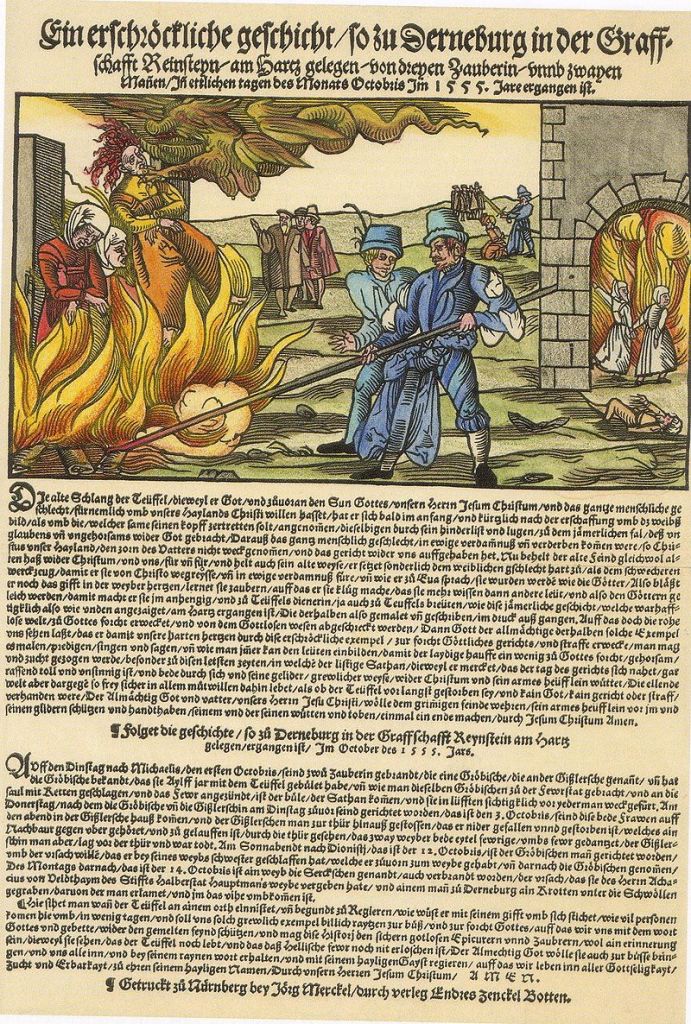
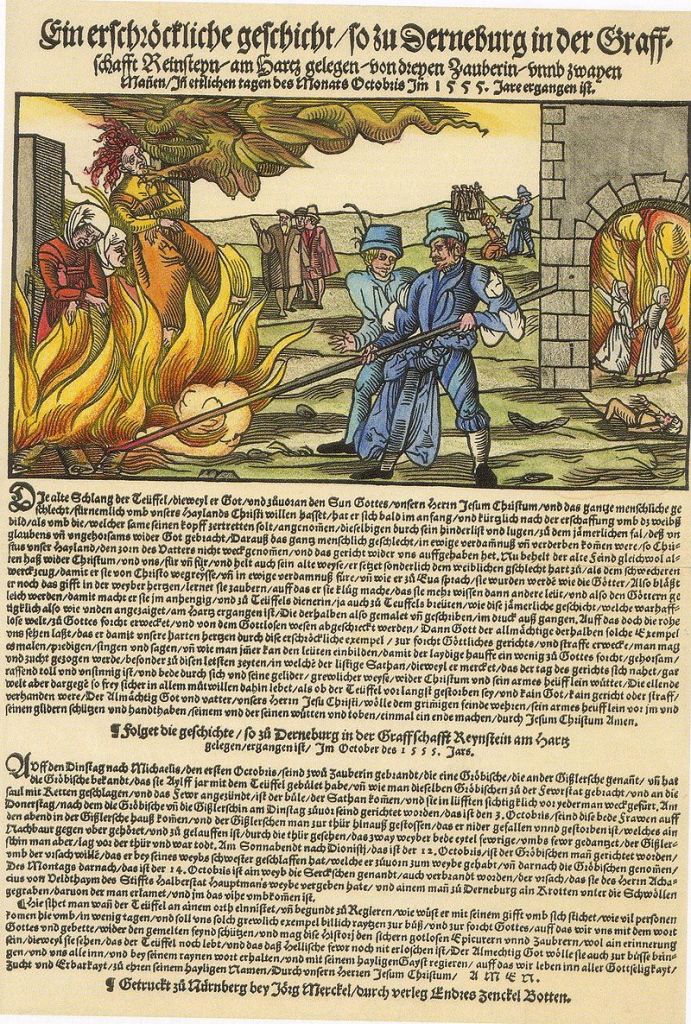
One of the real histories of mass killing in medieval Europe was the witch hunt. Most people have probably heard the term at least once, and many may know it only as “a time when many women were killed as witches.”
History classes may touch on these events, but the causes and details are often less familiar. This article introduces the tragic history of the witch hunts that took place in medieval Europe.
What Were the Witch Hunts?
In medieval Europe, a process connected to what was called the Inquisition spread across many regions. Within Roman Catholic Christianity, people suspected of devil worship, the use of magic, or failure to keep the faith could be put on trial. If they were judged to be witches, they could then be effectively killed through various methods.
The earliest inquisitions are said to have begun around the 12th century. However, some modern researchers argue that inquisitions and witch trials should be understood as separate things.
There were also divided views at the time about whether witches truly existed. The persecution that came to be known as the witch hunt became more established in the 15th century, when putting suspected witches on trial became more common. It reached its peak in the 16th century.
Many factors are believed to have contributed to the witch hunts: religion, popular belief, intellectual culture, and the historical pressures of the era. In 15th-century Europe, the Black Death, or plague, had devastated society. Crop failures, diseases that medicine could not explain at the time, and numerous wars also created fear and instability. Some researchers have suggested that mass hysteria may have played a role.
One major spark often cited was a 15th-century treatise on witches known as The Hammer of Witches, said to have been written by Heinrich Kramer, a Dominican friar and inquisitor.
The Hammer of Witches and the Spread of Witch Hunts
In many regions, one factor said to have accelerated the witch hunts was a book commonly known as The Hammer of Witches, published in 1486. It described ways to identify witches.
The book was reportedly written partly as a rebuttal to people who denied the existence of witchcraft, which was a subject of debate at the time. It also aimed to spread ideas about the supposed characteristics of witches and methods for diagnosing them.
Heinrich Kramer, the main author associated with the work, was a figure who, from around 1484 to 1500, had effectively received permission from the Roman Catholic pope to identify and try witches on behalf of the Church.
The pope at the time was Innocent VIII. Kramer sought direct approval for action against witches, and Innocent VIII responded in a papal bull known in English as Desiring with Supreme Ardor. Using this as justification, Kramer obtained three additional letters of approval from the pope in 1485 and entered the lands of the Count of Tyrol, where he began witch-hunting in earnest.
Kramer’s methods there were said to have gone beyond even the legal standards of the time. Citizens, nobles, and clergy reportedly pushed back against him.
Even so, Kramer skillfully used the pope’s bull, and because the pope himself had recognized the suppression of the heresy of “witches” as valid, the witch hunts spread more widely through this chain of events.
Johann Weyer, a Critic of Witch Persecution
From around 1484, when the witch hunts began to take shape, Catholic support helped them advance in various places. Many innocent people became victims.
Then, in 1563, a man named Johann Weyer strongly criticized The Hammer of Witches in his work On the Illusions of Demons. Until then, The Hammer of Witches had functioned almost like a bible for supporters of witch hunts, but Weyer condemned it as groundless.
However, Weyer’s argument did not scientifically deny the existence of demons. Instead, he argued that witch hunts themselves were caused by the temptations of the devil, and that responsibility lay with the devil.
In other words, Weyer rejected the unjust views presented in The Hammer of Witches, while still showing consideration for people who had strayed from Catholic teaching or had been caught up in witch-hunting beliefs. His work had a major impact and encouraged more caution in drawing the line between “witch” and “non-witch.”
Even so, rather than reducing the number of regions carrying out witch hunts, the period after Weyer’s work appeared became the height of the witch hunts.
People Who Truly Believed in Witches
Witch hunts were especially intense in certain parts of Europe. One part of the background was that ordinary people at the time appear to have genuinely believed in witches.
The witch hunts began to calm down toward the end of the 17th century, an era when new thinkers such as Isaac Newton were active. Before that, however, in medieval Europe, the influence of Roman Catholic inquisitions seems to have helped spread the idea among many common people that non-Catholics were devils, or at least people suspected of having made a pact with the devil.
In small villages across different countries, there were also women who called themselves witches. Some people were said to practice white magic, such as healing illness, while others claimed to use harmful black magic.
As seen in the life of Joan of Arc, by the early 1400s ideas such as heresy, devil worship, and witchcraft were already well established. It has been pointed out that ordinary people who believed in these ideas often accused specific individuals of being witches.
Normally, if someone accused another person of witchcraft and the Church accepted the charge, execution was common. Under the proper procedure, if the accused person turned out not to be a witch, the accuser could also face punishment.
But in witch trials, so-called proof involving the devil was demanded. Because of this, until the late 17th century, it is said that accused people were rarely found innocent.
How Many People Were Executed?
At one time, some researchers described the witch hunts as a kind of holocaust in which millions of people were killed. As that view became influential, the idea that at least hundreds of thousands of people had died became a mainstream theory.
In more recent research, however, the commonly accepted estimate is that the number of victims executed as heretics or witches may have been as high as about 40,000.
That said, witch hunts also included private acts of violence and extrajudicial punishment, so the full reality has not been completely clarified.
Also, although the term “witch hunt” may make people imagine that only women were targeted, a certain number of men were also among the victims.
The most terrifying aspect of the witch hunts was the hopeless abuse and mass killing inflicted on people merely suspected of witchcraft, including methods of execution and torture during inquisitions. Those details deserve to be discussed separately.
Japanese Language
中世ヨーロッパで現実に行われた虐殺の歴史の1つに 「魔女狩り」 というものがあります。おそらく、皆さんも1度は聞いたことがあると思いますが、 「多くの女性が魔女狩りによって亡くなった」 というくらいの認識ではないでしょうか?。教科書などにおいても、こういった歴史的な事件を習うことはあると思いますが、その原因や詳細については知らない方も多いと思います。今回は現実に中世ヨーロッパで起きた 悲劇的な虐殺の歴史である「魔女狩り」 について紹介していこうと思います。
中世を襲った魔女狩りとは?。。画像引用元: 魔女狩り 。魔女狩りとは当時の中世ヨーロッパにおいて 「異端審問」 と呼ばれた、ローマ・カトリック教会のキリスト教における 「悪魔崇拝」 や 「魔術の使用」 に対して、信仰を守っていないことを裁判によって照明した上で、様々な方法によって魔女と認定した人間を実質的に「殺害」するという一通りの流れが広範囲において広まった出来事でした。もっとも最初の異端審問は12世紀頃だと言われていますが、近年の研究者の中には 「異端審問と魔女裁判は別物であった」 という意見もあります。
根本的に魔女という存在を当時の人達が信じていたかというと、実はここにも大きく分かれる意見がありました。15世紀から本格的に魔女を裁判にかけることが主流になった「魔女狩り」というある種の迫害は、その後16世紀に最盛期を迎えることになります。魔女狩りの原因には宗教、民衆、知識人、多くの要因が絡んでいたとされていますが、原因とされている出来事や、時代背景は確かに存在したのです。15世の中世ヨーロッパでは、死の病と呼ばれた黒死病の「ペスト」の蔓延、農作物の不作、当時の医学で解明出来なかった、その他の病気、そして数多くの戦争が起こっており、集団的ヒステリーであった可能性も指摘されていますが、まずは 魔女狩りの火付け役 になったとされる 『魔女に与える鉄槌』 という、ドミニコ会士の異端審問官であったハインリヒ・クラーマーが著作したと言われている15世紀に書かれた魔女について示された論文があります。
。魔女狩りを加速させた「魔女に与える鉄槌」。。多くの地域で、魔女狩りが加速した要因の一つに挙げられるのが 「魔女の鉄槌」 と呼ばれる魔女を判断するための方法が書かれた書物でした。(1486年出版)。この本が書かれた最大の目的は当時議論を呼んでいた「魔術」という存在を否定する人々に対しての反論と、魔女の特徴や診断方法などを世に知らしめる目的があったと言われています。この書物の主な作成者であったハインリヒ・クラーマーという人物は、1484年から1500年頃において、実質的に教会から魔女を判断して裁判する許可をローマ・カトリック教皇から許されていた人物でもありました。
当時のカトリック教皇はインノケンティウス8世という人物でしたが、クラーマーは自身の著作に対して直接的な魔女狩りの許可を求め、インノケンティウス8世はこれに対して「 このうえない熱情をもって願わくば 」という回勅の中で答えを出します。この答えを正当な理由として、1485年には追加で教皇から3通の認定書を得てティロル伯の領内に入り本格的な魔女狩りを始めることになります。ここでのクラーマーの手法は当時の法的な観点からも逸脱であったことから、市民や貴族、聖職者の間でも反発の声が上がっていたとされています。
しかし、前述した教皇の回勅を上手く利用したクラーマーと教皇自身が「魔女」という異端の弾圧の有効性を認めていた事実から、本格的な魔女狩りはこれら一連の流れによって各地に広がってしまうのです。魔女という迫害に否定的だったヨーハン・ヴァイヤー。。魔女狩りの夜明けになった1484年頃から、カトリックの後押しもあり、各地で魔女狩りは進んでいき、多くの罪のない人々も犠牲者になっていきました。しかし、1563年になり、ヨーハン・ヴァイヤーという人物は 『悪霊の幻惑について』という著作において、それまでの魔女狩り支持者のバイブルにもなっていた「魔女の鉄槌」に対して根拠のないものだとして激しく非難しました。
。ですが、この「悪霊の幻覚」という著作で示されたのは、 「魔女狩りは悪魔の誘惑によるものであり責任は悪魔にある」 という論理であった為、悪魔の存在などを科学的に否定したものではなかったのです。。つまり、魔女の鉄槌によって示された不当な見解は否定する一方で、カトリックを逸脱した人物や魔女狩りに囚われてしまった人々への配慮も行われており反響も大きく魔女という線引に対しての慎重さを求めさせる結果につながった為、魔女狩りを行う地方を減らすのではなく、 逆にこの著作が世に出た後に魔女狩りは最盛期を迎える ことになりました。
魔女の存在を実際に信じていた民衆。。魔女狩りはヨーロッパのいくつかの場所で特に色濃く行われていたものですが、この背景の一部として、当時の庶民は魔女という存在を本気で信じていたという史料も残っているようです。魔女狩りが沈静化するのは17世紀末であり、アイザック・ニュートンなど新しい知識人が活躍したような時代でした。しかし、それ以前の中世ヨーロッパでは特にローマ・カトリック教会による異端審問の流れによって、カトリック教徒ではない人間は悪魔である、もしくは悪魔と契約している疑いのある人間であるという認識が多くの庶民の間で拡がっていたものと見られています。
また、実際に各国の小さな村では、魔女を自称する女性なども存在し、白魔術(病気の治癒など)を行う人間と害を起こす黒魔術を使う”自称魔女”も存在していたようです。ジャンヌ・ダルクの生涯でも紹介したように、1400年代前半でもすでに「異端」「悪魔崇拝」「魔女」といった概念は定着しており、これらを信じる庶民によって、特定の人間が魔女として告発されることが多かったことが指摘されています。通常は、魔女を告発して、その罪が教会によって認められた場合は告発された相手は処刑されることが日常茶飯事でしたが、正しい手順で言えば、告発した相手が魔女でなかった場合には告発者が罪を受ける可能性もありました。
しかし、こと魔女裁判においては、 いわゆる「悪魔の照明」が求められたため、17世紀後半になるまでは告発された人間が無罪になることはほとんどなかった そうです。魔女狩りによって処刑されたとされる犠牲者数とは。一時は、とある研究者によって数百万人の人間が犠牲になったホロコーストだと言われていた時期があり、その説が主流になったことから少なくとも数十万人の犠牲者が出たのではないか?という学説が主流になっていました。しかし、近年の研究においては異端とされた被害者は最大で約40000人ほどだったのではないか?
というのが定説になっています。ただし、魔女狩りにはいわゆる私刑もあったため、その実態はまだ解明されている訳ではありません。ちなみに、「魔女狩り」という言葉だけを聞くと女性のみがその犠牲者になったと考える人もいますが、魔女狩りの被害者には一定数の男性も含まれています。魔女狩りにおいて最も恐ろしかった点は、その処刑方法や異端審問における拷問など、 魔女を疑われた人に対する救いようのない虐待と虐殺行為 です。これらの詳細については別途、お伝え出来ればと思っています。
参考図書