The Uraja Festival in Okayama is a major summer event that draws tens of thousands of participants and spectators each August. At its heart, the festival features dancers with vividly painted faces, inspired by the legendary demon Ura. For international readers, the painted faces symbolize both the retelling of local folklore and a modern celebration of community spirit. The Uraja Festival’s unique identity comes from blending ancient tradition with contemporary festivity, making it one of Okayama’s most recognizable cultural events.
What Is the Uraja Festival?
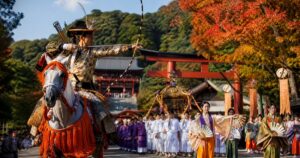
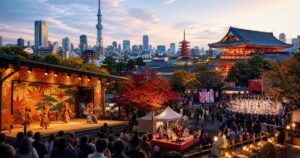
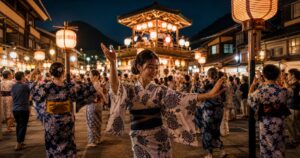
The Uraja Festival is Okayama’s largest summer festival, held annually in August. According to the official event organizers, it is part of the broader Okayama Momotaro Festival and has been celebrated since 1994. The event includes parades, dance performances, and a citywide “total dance” where anyone can join in. In 2026, the festival marked its 31st edition, with festivities spanning multiple venues across Okayama city, including parks, shopping streets, and the Okayama Arts Creation Theater. The festival is free to attend, and its activities are open to all ages, with special family events running alongside the main dances.
The Ura Demon Legend: Folklore, Not Fact
The Uraja Festival draws its name and inspiration from the traditional legend of Ura, a demon said to have once terrorized the Okayama region. According to local folklore, Ura was defeated by Kibitsuhiko-no-mikoto, a figure often identified as the model for the folk hero Momotaro. This story is a long-standing part of Okayama’s cultural heritage, but it is important to recognize that it is a legend, not a historical record. The festival’s organizers present the Ura tale as a source of inspiration and identity, not as a factual account of the past.
Modern Festival Identity: Community, Performance, and Inclusion
Today, the Uraja Festival is a vibrant, inclusive celebration that welcomes both locals and visitors. Dancers, known as “odori-ko,” don elaborate costumes and paint their faces in striking designs that evoke the image of Ura, the demon of legend. The event’s core message is one of unity and brilliance, as reflected in the 2026 festival theme “Kagayaki” (Radiance). Organizers emphasize that everyone—dancers, spectators, and volunteers—can shine together, illuminating Okayama with their collective energy. The festival’s open structure, including the “total dance” where anyone can participate, reinforces this spirit of togetherness.
The Visual Language of Painted Faces
The most distinctive feature of the Uraja Festival is the face painting worn by dancers. These designs are not random; they are carefully crafted to symbolize the transformation from demon to celebrant, blending elements of the Ura legend with personal and group identity. The painted faces serve as a visual link to the festival’s folkloric roots, while also allowing for creative expression. Each dance group may develop its own patterns, colors, and motifs, resulting in a kaleidoscope of faces that animate the city during the festival. This practice is a living tradition, maintained and adapted by each new generation of participants.
Documented Facts Versus Tradition
It is essential to distinguish between the documented aspects of the Uraja Festival and the legendary elements that inspire it. The festival’s schedule, venues, and organizational details are provided and updated by the Okayama Momotaro Festival Organizing Committee, with the latest official release published on August 19. The Ura legend, by contrast, is presented as a traditional story, not as a verifiable historical event. The festival’s official communications and website make clear that the Ura demon is a figure of folklore, and the face painting is a symbolic practice rooted in this narrative.
Respectful Participation and Guidance for Visitors
Visitors to the Uraja Festival are encouraged to enjoy the performances, parades, and open dances. The event is designed to be accessible and welcoming, with no admission fees for the main activities. Face painting is a central part of the festival’s identity, but it is typically reserved for registered dancers and groups. Observers are invited to appreciate the artistry and meaning behind the painted faces, and to participate in the “total dance” if they wish. Organizers ask all attendees to respect the performers and the traditions being celebrated, and to avoid disruptive behavior. The festival’s inclusive spirit is best experienced by joining in the communal joy and observing local customs with consideration.
Key Festival Features and Practical Information
| Feature | Details |
|---|---|
| Main Theme (2026) | Radiance (Kagayaki) |
| Venues | Multiple locations in Okayama city, including parks, theaters, and shopping streets |
| Admission | Free for main events |
| Face Painting | Worn by registered dancers as a symbol of the Ura legend |
| Participation | Open “total dance” for all; main performances by registered groups |
| Family Events | Special programs and shows for children and families |
| Legendary Basis | Inspired by the Ura demon legend; presented as tradition, not fact |
Conclusion: A Living Tradition Rooted in Story
The Uraja Festival stands as a testament to Okayama’s ability to honor its folklore while fostering a vibrant, modern community celebration. The painted faces of the dancers are a living symbol of the city’s connection to the Ura legend, interpreted anew each year by participants of all ages. For visitors, the festival offers a chance to witness the dynamic interplay between tradition and creativity, and to join in a joyful, respectful celebration of Okayama’s cultural identity.