English Version
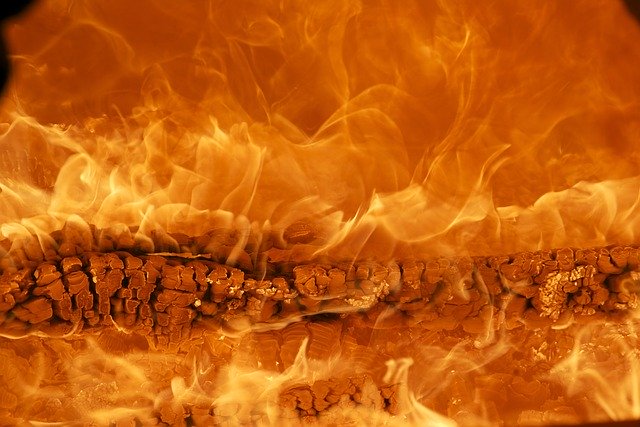
Have you ever heard of Sagicho? In many parts of Japan, it is also known as Dondo-yaki or Tondo-yaki. Sagicho is a fire festival usually held on the night of January 14 or the morning of January 15, around the time of Little New Year.
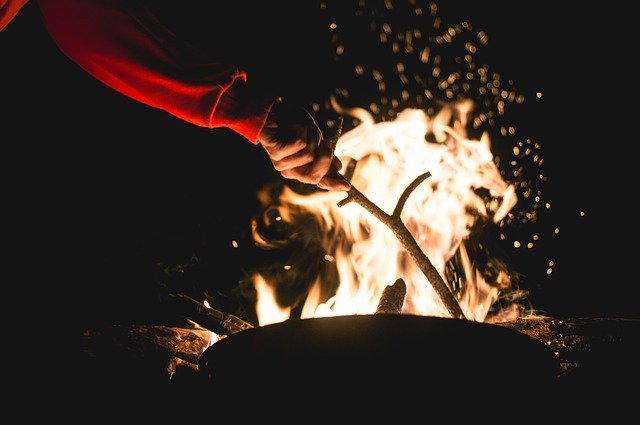
This ritual is found across Japan, and many local legends and customs have grown around it. For travelers, it can be a striking winter scene: New Year decorations, shrine amulets, bamboo, and sacred ropes being burned in a great communal fire, with prayers carried upward in the smoke.
The origins of Sagicho
Sagicho is generally said to have its roots in a Heian-period court ritual connected to divination and fortune-telling.
At the center of the large bonfire was a set of three tools called gicho, often described as ceremonial sticks or mallets. Villagers would bring these together, tie New Year decorations to them, and set them alight. Over time, items such as kadomatsu pine decorations and old shrine amulets also came to be burned in the same fire.
One explanation for the name is that the three gicho became known as sangicho, which gradually changed into Sagicho.
Different names in different regions
The name of the festival changes depending on the region. In fact, people sometimes say that the name you use can reveal where you are from.
Across Japan, Dondo-yaki and Tondo-yaki are common names. These are said to come from a traditional chant meaning something like, “Burn higher, burn higher.”
In Kyoto and the Hokuriku region, the name Sagicho is often used. In Kyushu, it may be called Oni-bi-taki, or “demon fire burning.” Today, Sagicho has become one of the more widely recognized names, but many other local names still exist, including:
- Donto-sai
- Sai no Kami festival
- Onzuro-korozuro
- Sankuro
- Kangari
- Sumi-nuri
- Guro
- Matsu-taki festival
- Old amulet burning ceremony
The differences are not only in the name. The way the ritual is performed and the place where it is held can also vary. Some communities hold it in the middle of a rice field, while others hold it on the grounds of a shrine or temple. Depending on the area, children may play a central role in the event.
In recent years, some communities have stopped holding Sagicho because of environmental concerns or declining participation. Even so, the custom still survives in many regions throughout Japan.
Why Sagicho is performed
Sagicho is connected to the Toshigami, the New Year deity believed to descend from the heavens during the New Year season. By burning New Year decorations, sacred ropes, kadomatsu, and protective amulets, people send the deity back to the heavens on the rising smoke.
This gives the fire a sacred meaning. It is not simply a bonfire, but a ritual flame associated with purification, farewell, and the beginning of a new year.
If you visit a public Sagicho event, watch from designated areas, follow local instructions, and do not bring items to burn unless the organizers clearly allow it. These are real fire rituals, and local rules matter.
Legends and beliefs connected to Sagicho
Several folk beliefs are still associated with Sagicho. These are traditional sayings and local customs rather than guarantees, but they remain part of the festival’s atmosphere.
Good health for the year
If you have ever attended Sagicho, you may have seen people roasting mochi rice cakes over the fire. It is said that eating mochi cooked in the Sagicho flames brings good health and protection from illness.
Children growing up wise
In some areas, people also say that when children eat mochi roasted in the Sagicho fire, they will grow up clever. Because of this, it is not unusual to see families giving children mochi cooked over the ritual flames.
Better handwriting
Besides New Year decorations, sacred ropes, kadomatsu, and amulets, people may also burn their first calligraphy of the year. These calligraphy sheets are sometimes attached to bamboo or wooden frames and burned with the rest of the offerings.
There is a belief that if the calligraphy paper rises high into the air as it burns, the person’s handwriting will improve.
Protection from fire
After the calligraphy has burned, the remaining bamboo or wood from the structure may be placed on the roof. Traditionally, this was believed to help protect the house from fire.
Protection from snakes and evil
After the Sagicho fire has gone out, some people take the ashes home and scatter them around the house. These ashes are said to ward off snakes and offer protection from evil.
These customs are thought to come from the belief that the Sagicho fire carries sacred power. From that idea, various protective charms and ritual practices developed around the ashes, smoke, and flames.
Oda Nobunaga and Sagicho
Sagicho is also connected to the famous warlord Oda Nobunaga.
A historical record known in English as “The Chronicle of Lord Nobunaga” describes Sagicho being held every year in the castle town after Nobunaga built his castle at Azuchi. Nobunaga is widely known for his love of flashy style and his interest in foreign fashions. According to the record, he wore splendid clothing and danced together with the townspeople during the festival.
After Nobunaga’s death, Toyotomi Hidetsugu built a castle on Hachimanyama and established the Hachiman castle town. He invited people from Azuchi to settle there. In gratitude to Hidetsugu, and to honor the late Oda Nobunaga, the people from Azuchi asked to dedicate Sagicho to Himure Hachimangu, the local guardian shrine.
That tradition continues today as the Omi Hachiman Sagicho Festival, which is still held on a grand scale.
A living New Year fire ritual
Sagicho remains one of Japan’s traditional New Year fire festivals, though the number of events has reportedly declined in some areas because of environmental issues and fewer participants.
Preserving these regional customs and passing them on to future generations is an ongoing challenge. If a public Sagicho event is held near you during your travels, it can be a memorable way to experience Japan’s winter folklore and New Year spirituality.
Attend respectfully, keep a safe distance from the fire, and follow the guidance of local organizers. For those drawn to Japan’s rituals, legends, and eerie seasonal atmosphere, Sagicho offers a powerful image of purification: sacred decorations consumed by flame, smoke rising into the cold January sky, and the new year beginning with fire.
Japanese Language
皆さんは「左義長」という行事をご存知でしょうか?。別名、どんど焼き・とんど焼きと言われたりもします。左義長は 1 月 14 日の晩か 1 月 15 日の朝に行われる火祭りのことを言います。この左義長といった行事は日本全国で行われている行事です。この左義長には色々な言い伝えが残されているのです。今回は、お正月などに行われる「左義長」について詳しく調べていきたいと思います。左義長(どんど焼き・とんど焼き)の起源は?。。左義長は、平安時代の宮中行事の吉凶占いが元とされています。
大焚火の中心には、三本で組まれた毬杖(ぎちょ)と言われる道具があります。この道具を村人が持ち寄り正月飾りなどを結んで火をつけ、それと一緒に門松やお札などを一緒に燃やし始めたことが始まりとされています。三本の毬杖(ぎちょ)が次第に「三毬杖(さんぎちょ)」となり、最終的には「左義長」と言われるようになったといわれています。地方によって呼び名も変わる!。。地方によって呼び方も変わるそうです。そのため、呼び方で出身地がわかってしまうのです!。日本全国=どんど焼き・とんど焼き どんど焼きなどは、「どんどん燃えろ、どんどん燃えろ」という囃し言葉から来たとされています。
京都・北陸=左義長 九州=鬼火焚き ざっとですが、地方によって呼び方が全く異なります。現在は一般的に左義長と呼ばれることが多くなりましたね。他にもこのような呼び方があります。左義長の他の呼び方 ・どんと祭。・さいのかみ(歳の神、塞の神、才の神)祭り。・おんづろころづろ。・三九郎。・かんがり。・墨塗り。・グロ。・松焚祭。・古札焼納式。左義長を行う目的。。正月に天から降りてきた年神さまを、お正月に使ったお飾りやしめ縄、門松、お守りを燃やし、煙に乗せて天に送るという意味が込められています。
行う地方によって呼び方も変わると紹介しましたが、違ってくるのは呼び方だけではなく、内容や行う場所も変わってきます。田んぼの真ん中で行う場合や、神社の仏閣の境内でやる場合もあります。地方にもよりますが、子供中心に行うこともあるそうです。残念なことに、最近になり、環境の問題が重要視されているため、行わない地域なども出てきているそうです。しかし、まだまだこのような行事が残っている地方はたくさんあるので安心してくださいね。左義長に残る言い伝え。
。左義長にはいくつかの言い伝えが残っていますので紹介したいと思います。無病息災。左義長に参加したことがある人ならわかるかもしれませんが、左義長の火で餅などを焼いて食べている人を見たことがありませんか?。左義長の火でお餅を焼き、そのお餅を食べると無病息災になるといわれているのです。賢く育つ。無病息災だけではなく、左義長で焼いた餅などを子供が食べると賢く育つなどと言われています。そのため、左義長に参加した際に、子供に焼いた餅を食べさせる場面を目撃することも多々あります。
字がうまくなる。左義長で燃やすものは、主にお飾りやしめ縄、門松、お守りと紹介しましたが、書き初めなどを竹や木材に組んで一緒に燃やすことがあるそうです。燃やした時に、書き初めの紙が高く舞い上がりながら燃えると字がうまくなるといわれているのです!。火事を防ぐ。書き初めを燃やした後に残った、組んだ竹や木材などを屋根にあげて置くと、家が火事にならないと信じられているのです。蛇除け。左義長が終わり、燃えた後の灰を家に持ち帰り、家の周辺に撒くと蛇除けになったり、魔除けになったりするといわれています。
なぜこのような言い伝えが生まれたのかというと、左義長の火が神性を帯びるという意識からこのようなお呪いの風習が生まれたとされています。織田信長も好んだ左義長。。「信長公記」というものがあります。そこには以下のようなことが記されていました。織田信長が安土に城を築いたとき、毎年のように城下で左義長際が執り行われていたそうです。皆さん知っている通り、織田信長は海外の最新のファッションを取り入れるほど、派手好きとして知られていた信長も華美な衣装を身に着け、民衆と共に踊っていたと記されていたのです。
織田信長が亡くなった後は、豊臣秀次が八幡山に城を築き、八幡城下町を開きました。そこに、安土の民を招き入れて城下町に住まわせました。安土からきた民は、豊臣秀次に感謝し、亡き織田信長に敬意を表す目的と、その地の氏神様であった日牟禮八幡宮に左義長を奉納することを願い出て今に至ります。現在でも「近江八幡左義長まつり」として盛大に開催されています。まとめ。いかがだったでしょうか?。今回は左義長について紹介してきました。左義長は現在でも日本全国で開催されている行事です。
しかし、残念なことに近年開催される回数が環境問題や参加人数が原因で減少傾向にあるそうです。日本に残る伝統行事を守り後世に伝えていくことは、これからの課題でもあります。この記事を読んでいる方で、お近くで左義長が開催される場合ぜひ参加してみてください。左義長に参加し、心を清め新年をスタートさせてみるのはいかがでしょうか?