English Version
If you have spent time in Japan and absorbed even a little of its books, movies, manga, anime, or games, you have probably heard the name Abe no Seimei.
He is not a figure who dominates school history textbooks, nor is he remembered for sweeping political reforms. Even so, Abe no Seimei has been endlessly reimagined as a character in manga, anime, games, and films, and he remains one of Japan’s most beloved occult figures.
In Kyoto, there is a shrine directly connected to him: Seimei Shrine. It is known not only among people interested in onmyodo, Japan’s ancient system of cosmology, divination, and ritual practice, but also among visitors who speak of it as a “power spot.” Here is what makes this small shrine so fascinating for travelers, folklore fans, and anyone drawn to the darker side of old Kyoto.
Who Was Abe no Seimei?
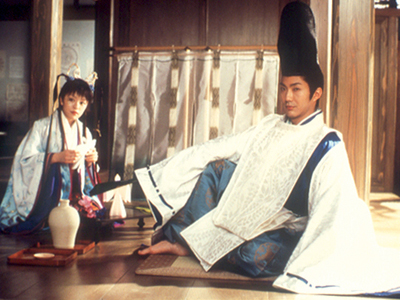
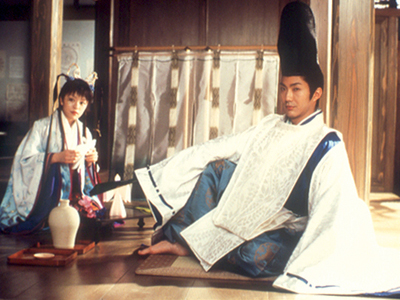
Abe no Seimei lived during the Heian period and is regarded as the ancestor of the Tsuchimikado family, which oversaw the Onmyoryo from the Kamakura period through the Meiji period.
The Onmyoryo was a government office responsible for work such as divination and calendar-making. Today, people often imagine onmyoji as sorcerers who subdued illness or reflected curses back at their enemies. But their duties also required advanced calculation skills, especially when creating calendars.
Abe no Seimei is the most iconic onmyoji in Japan. It is probably fair to call him the country’s most famous practitioner of the art.
We know he was born in the middle of the Heian period, but his birth and family line remain surrounded by mystery. One well-known theory says he was the son of Abe no Miushi, a famous minister who also appears in The Tale of the Bamboo Cutter. Other stories claim he was descended from Abe no Nakamaro. Still others go much further, saying he was the child of a fox and a human.
Which version is true is unclear. But perhaps that is only natural. When a person is remembered as unusually gifted, people often want to believe there was something extraordinary in their bloodline.
Or maybe Seimei was simply born into an unknown family and discovered somewhere along the way for his talent.
Legends That Survived the Centuries
There are countless legends about Abe no Seimei.
One of the most famous concerns his use of shikigami, spirit-like servants that appear often in stories about onmyoji. According to legend, Seimei commanded twelve shikigami known as the Twelve Heavenly Generals and hid them beneath the railing of Ichijo Modoribashi Bridge.
The Twelve Heavenly Generals are part of a symbolic system used in onmyodo. If you are not familiar with it, you might think of them as something like the zodiac signs or the twelve animals of the East Asian zodiac: a structured set of symbols tied to direction, time, and divination.
Ichijo Modoribashi is also a place with its own eerie reputation. Since ancient times, it has been associated with strange and occult tales. People said they had seen the Night Parade of One Hundred Demons passing by, or that an oni had grabbed someone by the arm there. In its own way, it was an old Kyoto “haunted spot” long before modern ghost-hunting culture existed.
The idea that Seimei hid his shikigami at such a place gives a sense of how superhuman he was imagined to be.
At Seimei Shrine, the outer wall displays illustrated panels explaining several famous episodes from Seimei’s life and legends. If you have time, it is worth looking at them slowly and imagining how this legendary onmyoji came to seem almost more than human.
A Shrine Filled With Pentagrams
One of the first things to notice at Seimei Shrine is the repeated five-pointed star motif found throughout the grounds.
Anyone familiar with occult symbolism will recognize it immediately. In the West, the pentagram, or pentacle, has also long been treated as a magical symbol. Some visitors may be tempted to see a connection between Japan, Western esotericism, Kabbalah, or even Jewish traditions.
There are indeed many theories and rumors claiming ancient historical links between Japan and Jewish culture. But it may be safer to see this strange similarity through the idea of the collective unconscious, a concept associated with Carl Jung.
The basic idea is that even people living in distant countries or in different eras may share certain deep-rooted images and motifs in the human mind. For example, Greece and Japan both have myths about descending into the underworld. One way to understand this similarity is that human beings may share certain images at the deepest levels of consciousness.
At Seimei Shrine, the five-pointed star is called the kikyo crest, or bellflower mark. It is said to have been designed by Abe no Seimei himself, and it later became an important motif in onmyodo.
In fact, the “seiman” part of the protective charm known as seiman-doman, once worn by ama divers in the Shima region, is this very five-pointed crest. The name “seiman” is said to come from Seimei.
The “doman” part, a grid-like motif made from twenty lines, is said to be named after Ashiya Doman, the onmyoji often described as Abe no Seimei’s rival.
We do not know whether Seimei knew about the Western pentagram when he created the kikyo crest. Perhaps he heard somewhere that this shape had magical power and adopted it. Or perhaps people involved in magic and charms, living in lands far apart, independently arrived at the same symbol by chance.
If so, the five-pointed star may be one of those images that glows deep inside the collective unconscious: a shape that humans instinctively associate with power beyond ordinary understanding.
What to See at Seimei Shrine
Seimei Shrine is not a large shrine, but it has plenty to reward visitors. It is a real place of worship, so visit respectfully, follow posted rules, and avoid entering any closed or restricted areas.
Seimei Well
Seimei Well is one of the shrine’s best-known power spots. Water trickles from a stone shaped like a five-pointed star. This water is called kissho-sui, or auspicious water, and is said to help with healing illness.
As with any sacred water, it is best to follow the shrine’s current instructions about whether it may be drunk or taken home. According to the shrine’s custom, visitors may be able to take some with them after making an offering.
The water is not something to treat as medicine, of course. But for visitors drawn to the atmosphere of the place, taking a small sip can feel like part of the experience.
One important note: the spout at the well is adjusted each year to face the year’s lucky direction. Even if the angle makes it awkward to collect water, do not rotate the stone yourself.
The 300-Year-Old Sacred Camphor Tree
Seimei Shrine also enshrines a sacred camphor tree that is said to be more than 300 years old.
Many shrines treat ancient trees as sacred, but this one is unusual because a platform surrounds it, allowing visitors to stand close and wrap their arms around the trunk. The sign nearby even encourages people to touch it.
The bark feels smoother and cooler than you might expect. At many shrines, touching a sacred tree is not necessarily forbidden, but it can still feel intimidating to do so openly. At Seimei Shrine, visitors are invited to experience the presence of this 300-year-old tree directly.
Charms and Kikyo Crest Souvenirs
After visiting the shrine, stop by the shop on the grounds.
Because the kikyo crest is such a clear and striking symbol, Seimei Shrine has a surprisingly rich selection of items. In addition to goshuin and traditional charms, you can find stickers, earrings, keychains, accessories, and other goods marked with the five-pointed crest.
Even if you are not deeply familiar with onmyodo, the items are tempting for anyone who loves occult design.
After receiving a little of the atmosphere of ancient onmyodo at Seimei Shrine, taking home a charm or accessory marked with the kikyo crest may be the perfect souvenir. After all, the pentagram is a magical motif recognized around the world.
Wherever you travel next, it might feel like a small piece of Seimei’s protection is coming with you.
Japanese Language
日本で暮らし、本や映画、漫画などのカルチャーにある程度触れてきた人ならば、大抵は「 安倍晴明 」という人物を知っているだろう。歴史の教科書に大きく取り上げられているわけでも、後世に残るような改革を行ったわけでもないが、安倍晴明は様々な漫画、アニメ、ゲーム等でキャラクター化され、人々に愛されてきた。そんな安倍晴明ゆかりの神社、その名も「 晴明神社 」が京都にある。今回は、陰陽道を学ぶ人間だけでなく、多くの人々から「パワースポット」と噂されるこの神社についてご紹介したい。
陰陽道の第一人者?安倍晴明とは。画像引用元: fami-geki.com 。まずは、そもそも 安倍晴明 が一体どのような人物なのか簡単に説明しておこう。安倍晴明は 平安時代 の人物で、鎌倉時代から明治時代まで 陰陽寮 を総括していた 土御門家 の祖に当たる。陰陽寮とは 行政機関 のひとつで、主に占いを行ったり、暦を作ったりといった業務を担当していた。陰陽師というと病を調伏したり呪い返しをしたりといったイメージが強いかもしれないが、暦作りなど 高度な計算技能 が要求される業務も執り行っていたのである。
安倍晴明は、そんな「陰陽師」の代表的な存在だ。日本で最も有名な陰陽師だと言ってもよいだろう。平安時代中期の生まれであることは間違いないが、その出生や系譜については諸説あり、今でも謎に包まれている。最も有名なものは『竹取物語』にも登場する有名な大臣・ 阿倍御主人(あべのみうし) の子であるとする説だが、他にも 阿倍仲麻呂 の子孫だとか、いやいや実は 狐と人間との間との子 なのだとかいう説まであり、真偽は謎に包まれている。まあ、そもそも人間とは優れた人物の血統には何か特別なものを求めたくなってしまう生き物だ。
案外、安倍晴明はどこかで才能を見出されただけで、名もない一族の出身だったのかもしれない。時を超えて現代に残る、数々の晴明伝説。そんな安倍晴明に関する伝説は、それこそ枚挙にいとまがない。多くの作品で題材にされている通り、有名だったのは 式神の使役 だ。伝説によれば、安倍晴明は 十二天将 と呼ばれる12の式神を使役し、 一条戻橋 の欄干の下に隠していたという。十二天将とは陰陽道で使われる12の象徴体系で、よくわからない人は、干支とか12星座のようなもの、と覚えておけばよいだろう。
実は 一条戻橋 はそれ自体色々とオカルティックな逸話の多い、いわば古からの心霊スポット的存在である。百鬼夜行が通るのを目撃したとか、鬼に腕を掴まれたとか、当時はそういった恐ろしい噂が後を絶たなかった。そんな一条戻橋に自分の式神を隠していたというのだから、このエピソードをひとつとっても安倍晴明がどれだけ超人的な人物だったか窺い知ることができるだろう。。晴明神社の外壁には、他にも安倍晴明に関する有名な逸話を描いた 絵と解説のパネル が展示されている。
時間があればひとつひとつをゆっくり見て回り、この著名な陰陽師がどれほど人間離れした存在だったかに想いを馳せてみるのもよいだろう。魔術の文化は世界共通?五芒星だらけの境内。。晴明神社に足を運んだ際に是非注目して欲しいのが、境内のあちこちに配置された 五芒星 のモチーフだ。オカルトや魔術に馴染みのある人ならすぐにピンと来るだろう。そう、西洋でも五芒星、すなわちペンタクルのマークは 魔術的なモチーフ として扱われてきたのである。ここに、西洋(特に最も有名な魔術的思想であるカバラ思想)やユダヤとの繋がりを感じる人もいるかもしれない。
確かに、日本とユダヤには歴史的に繋がりがあったとする説も多く囁かれている。だが、筆者はどちらかといえば、この奇妙な一致は、ユングの言うところの 集合的無意識 のなせる技ではないかと考えている。集合的無意識とは、遠く海を隔てた外国に住んでいようと、はたまたある程度異なる時代を生きていようと、人々の心の奥底には ある程度共通のモチーフが存在する 、という説である。たとえば、遠く離れたギリシャと日本に、非常によく似た「 黄泉下り 」の神話が存在するのは、我々が人類として意識の根っこの部分で 同じイメージを共有している からだ、というのだ。
晴明神社では、この五芒星を 桔梗印 と呼んでいる。これは安倍晴明が自身で考案した文様であり、その後の陰陽道においても重要なモチーフとして使われるようになったものだ。実際、志摩地方の海女たちが身につけていたお守りとして知られる「 セーマンドーマン 」の「 セーマン 」はまさしくこの桔梗印であり、「セーマン」の名はもちろん、安倍晴明からとられたものである。。左がセーマン、右がドーマンだ。ちなみに20本の線からなる格子状のモチーフである「ドーマン」の方は、 安倍晴明のライバルとして知られる陰陽師、 蘆屋道満 の名にちなんでいると言われている。
。晴明が桔梗印を考案するにあたって、西洋における ペンタグラム(五芒星) を知っていたかどうかはわからない。もしかすると、魔術的に効力のある印だとどこかで聞き及んで採用したのかもしれない。だが、遠く離れた地で魔術やまじないに携わる者たちが、それぞれに、偶然同じモチーフを生み出したのだとすれば、それは我々の 集合的無意識 の奥底に、人智を超えた力を引き出してくれるものとして、この五芒星が光り輝いていることの証左ではないだろうか。まだまだ見所いっぱい!
晴明神社を楽しみ尽くそう。そんな安倍晴明を祀る晴明神社は、決して大きな神社ではないが、見るべきものの多い観光スポットでもある。以下にざっくりとご紹介するが、詳しくは是非、自分の足で訪れて確かめてみて欲しい。病を癒す水が湧く「晴明井」。。。晴明井 は、五芒星の形の石からちょろちょろと水が湧き出ているパワースポットだ。この水は 吉祥水 と呼ばれ、 病の治癒 などに効果があるらしい。確かめたわけではないが、もちろん飲料可能な水であろう。志納金を納めれば持ち帰ることができるため、筆者も一口ほど飲んでみた。
たちどころに体力が回復するということはなかったが、どことなく涼やかな口当たりの水である。500mlのペットボトルで売られていたら、500円くらいなら出して買ってしまうかもしれない。ちなみに、画像右上の注ぎ口はその年の 恵方 によって変わる。常に恵方を向くよう設置されているため、水が汲みにくいからといって勝手に石を回してはいけない。樹齢300年以上。悠久の時を感じる御神木。。晴明神社には、御神木として樹齢300年以上の 楠(くすのき) が祀られている。
古くからある木を御神木としているのはよくあることだが、晴明神社の楠はなんと、周囲をぐるりと踏み台で囲われており、ここに乗って 両手を回して抱きしめる ことができる。側に建てられた解説の札にも触れることを推奨する文句が書かれているのだから太っ腹だ。実際に腕を回してみると、想像よりもずっとなめらかでひんやりとしていた。多くの神社では、別に御神木に触れることを禁止しているわけではないのだが、それでも堂々と抱きしめるのは少し勇気がいるだろう。そんなあなたは、是非晴明神社で 樹齢300年 の歴史を体感して欲しい。
お土産・桔梗印グッズにももちろん対応!参拝後は境内のショップへ。。桔梗印というわかりやすいモチーフがあるおかげか、晴明神社の境内ショップは充実している。社務所で御朱印やお守りの授与を授与してくれるのはもちろん、桔梗印をあしらったステッカーやピアスなど、陰陽道に明るくなくともオカルトマニアならば垂涎もののアイテムが所狭しと並んでいるのだ。晴明神社に参拝して古の陰陽道のパワーを貰ったら、帰りには桔梗印の描かれたキーホルダーやアクセサリーを買っていくのもいいかもしれない。
何しろ 桔梗印=ペンタクル、五芒星 は世界共通の魔術的モチーフ。あなたが世界のどこにいようと、きっと助けになってくれることだろう。京都府の最恐心霊スポットランキングは→ 【闇が深い】京都府の最恐心霊スポットランキング!
Quick answer for readers
Seimei Shrine in Kyoto centers on Abe no Seimei, onmyodo belief, protective symbolism, and the site’s spiritual reputation.
Key facts
- Main subject: Seimei Shrine in Kyoto.
- Historical figure: Abe no Seimei, the famous onmyoji of Heian-period legend and history.
- Reader intent: understand the shrine’s spiritual background without reducing it to a haunted rumor.
Rumor vs. known context
Abe no Seimei’s historical and legendary image is central to the shrine. Supernatural claims should be described as belief, folklore, or visitor interpretation unless documented.
Safety and access notes
Follow shrine etiquette, avoid blocking visitors, and treat amulets, symbols, and prayer spaces respectfully.
FAQ
Who was Abe no Seimei?
He was a famed onmyoji associated with Heian-period court divination, protective rituals, and many later legends.
Is Seimei Shrine haunted?
It is better described as a spiritual and historical site than a simple haunted spot, though occult-minded readers often find it mysterious.
What is onmyodo?
Onmyodo is a Japanese esoteric tradition connected with divination, cosmology, calendars, and ritual protection.