English Version
King David is remembered as the great Jewish king who helped create the first unified kingdom of ancient Israel. The young shepherd David became a central figure in the formation of the Israelite nation, and with the later completion of Solomon’s Temple, it is fair to say that both a national and religious foundation was established.
The six-pointed Star of David, associated with King David, appears today on the flag of Israel and remains one of the best-known symbols of Jewish identity. On the other hand, the crest of Japan’s Imperial Family is the sixteen-petal chrysanthemum.
At first glance, these two symbols seem unrelated. The Imperial chrysanthemum was used on battleships and many military aircraft during World War II, while the Star of David belongs to a very different cultural and religious world. Yet in the theory often called the Japanese-Jewish common ancestry theory, these two emblems are sometimes presented as one of the clues linking Japan and the Jewish people.
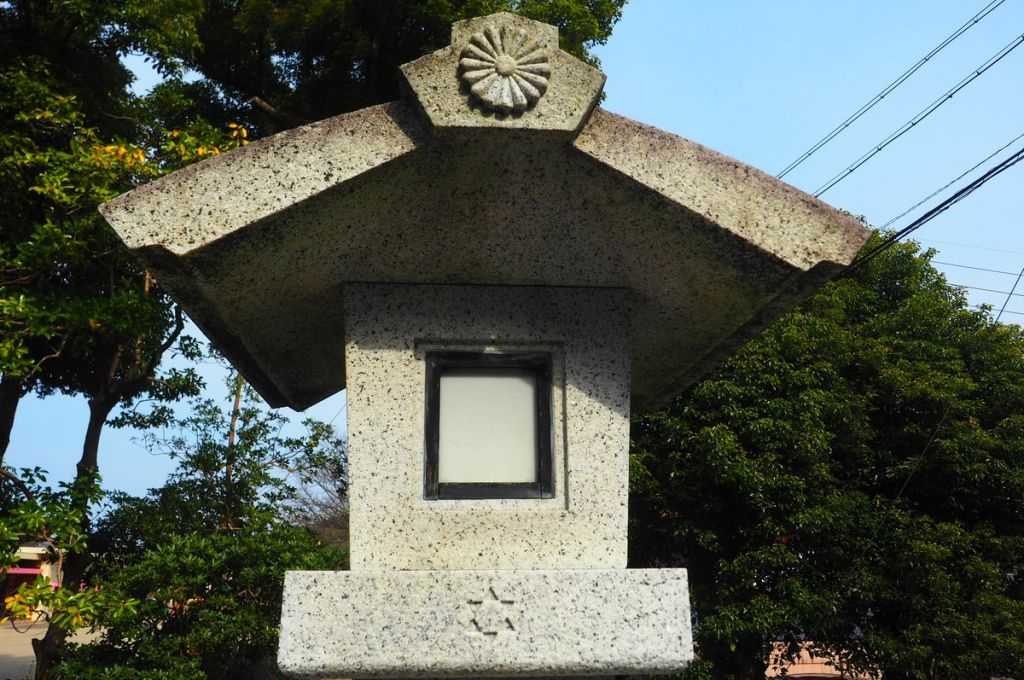
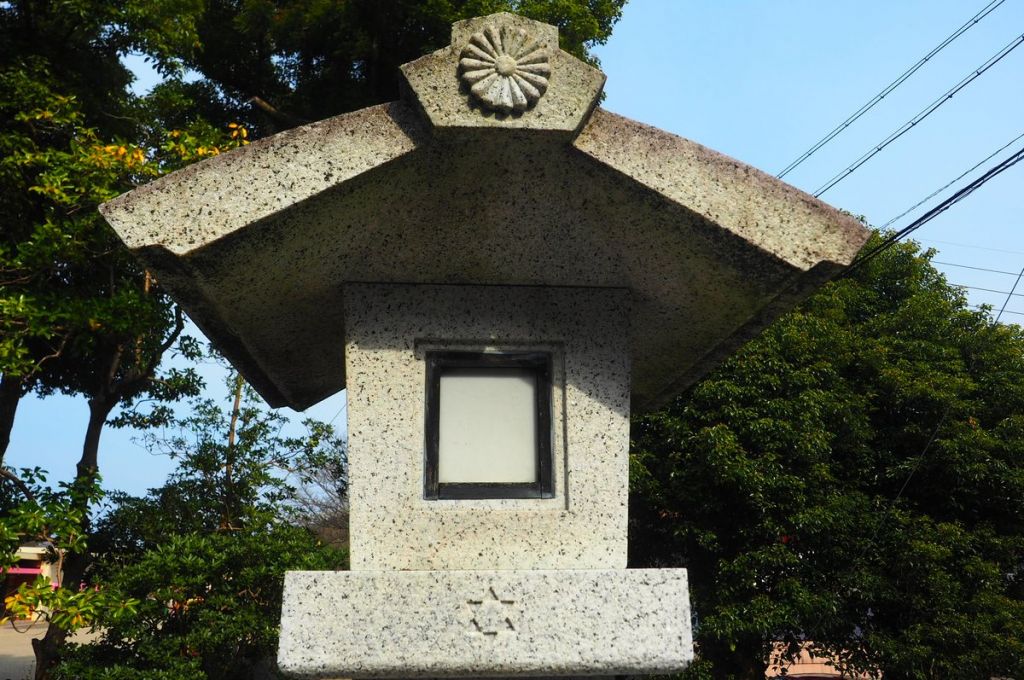
One of the most famous examples is connected to Ise Shrine, the sacred shrine associated with the Yata no Kagami mirror. Stone lanterns around Ise Shrine were said to have been installed after the war by GHQ, the Allied occupation authorities. On those lanterns, the sixteen-petal chrysanthemum of the Imperial Family appeared together with the six-pointed Star of David.
More precisely, they used to appear there.
As of 2019, the situation had changed. After damage connected to a traffic accident and falling stones in April 2018, Mie Prefecture and Ise City began removing the stone lanterns. By late November 2018, more than 500 of them had reportedly been completely removed. Efforts were then made to restore the scenery using wooden structures or replicas.
For believers in the theory, the coexistence of the Star of David and the chrysanthemum crest on lanterns near Ise Shrine was deeply suggestive. Why would lanterns said to have come from GHQ bear the Star of David?
If you visit Ise today, remember that it is an active sacred site and a major travel destination. Follow official routes, do not enter restricted areas, and do not attempt to search for removed objects or private materials.
Rabbi Marvin Tokayer and the Postwar Clue
This unusual overlap of symbols was discussed by Hideaki Kase, chairman of the Japan Culture Association, in a translator’s afterword to a work by Rabbi Marvin Tokayer, a Jewish supporter and researcher of the Japanese-Jewish common ancestry theory.
According to Kase’s comments, after Japan’s defeat in World War II, the country came under GHQ occupation, and many Jewish people were also present within GHQ. He suggests that they indirectly helped with Japan’s reconstruction.
Rabbi Marvin Tokayer himself had long been interested in possible connections between the Japanese and Jewish peoples. While serving as a rabbi in Japan, he energetically collected materials and pursued research on the subject.
Kase described Tokayer as a sympathetic interpreter of Japan, writing in effect that the rabbi was struck by how closely the two peoples seemed to resemble one another.
Tokayer became the first rabbi of the Jewish community in Japan in 1967 and stayed in the country until 1976. He also taught ancient Hebrew culture at Waseda University. Familiar with ancient Hebrew, he introduced in his own writings several cultural similarities between Japan and the Jewish world, while also acknowledging that postwar Japan had changed greatly after its defeat in World War II.
The Chrysanthemum at Herod’s Gate
Another point often raised by supporters of the theory is the presence of a chrysanthemum-like crest in Israel. As fixed places of worship gradually increased from the era associated with King David onward, Israel became a sacred center of Jewish faith. At Herod’s Gate, a surviving historic site in Jerusalem, a crest resembling the Imperial chrysanthemum can reportedly be seen.
Some also say that a similar chrysanthemum design existed in the ancient Temple of Solomon. Even more curious to supporters is the claim that the chrysanthemum at Herod’s Gate has sixteen petals, the same number as the Imperial chrysanthemum crest.
In other words, the chrysanthemum motif in Jewish cultural sites and the chrysanthemum of Japan’s Imperial Family are said to share the same sixteen-petal form. Supporters point out that these symbols appear in places of great meaning: Herod’s Gate in Israel and Ise Shrine in Japan.
A Theory Still Wrapped in Mystery
Supporters of the Japanese-Jewish common ancestry theory argue that it is based on physical clues and real cultural similarities. After considering the number of parallels they present, some believe the theory is not impossible.
At the same time, the exact history remains extremely difficult to verify. Imperial keyhole-shaped burial mounds cannot easily be investigated, and the true Yata no Kagami mirror is said to be something even the Emperor is not permitted to see directly. Because of these limits, a complete historical explanation remains out of reach.
Even today, research and speculation around the Japanese-Jewish common ancestry theory continue. Perhaps future investigations will one day lift part of the veil from this strange and controversial historical mystery.
Japanese Language
ダビデ王は六芒星のマークで有名な初代イスラエル統一国家を作った偉大なユダヤ人の王であった。羊飼いの青年ダビデによって古代イスラエル民族は1つの国家として動き始め、その後のソロモン神殿の完成を見ても、 国家的な基礎に加えて宗教的な基礎を築いた と言っても過言ではないのである。そんなダ ビデ王の象徴である六芒星(ダビデの星) は現在のイスラエルの国旗にもなっており、ユダヤ人にとってはアイデンティティとなるマークの1つである。一方の皇室、つまり天皇家の紋章は 「16弁の菊家紋」 である。
第二次世界大戦時などに戦艦や多数の戦闘機にも使用されていた。一見、何の関係もないこの2つの家紋、象徴ではある。ところが、 日ユ同祖論ではこの紋章においても日本とユダヤを繋ぐ証拠の1つ として挙げられている。最も有名なものは以前にも紹介した。あの八咫の鏡を奉納している伊勢神宮の灯籠である。伊勢神宮の石灯籠にあるダビデの星と16弁の菊。。戦後、GHQによって設置されたと言われている、伊勢神宮の周辺に置かれた石灯籠には 天皇家の家紋である16弁の菊と共に、ユダヤ人の王であるダビデの紋章、六芒星が刻まれている。
。というよりも、正確には「刻まれていた」のだ。。2019年現在では、2018年の4月にあった交通事故の落石などの被害によって、三重県や伊勢市が石灯籠の撤去を進めてしまったのである。2018年11月の末頃に、500以上あったこれらの石灯籠は完全に撤去されてしまっており、現在は木製やレプリカで景観を復活させようという活動が行われている。皇室に非常にゆかりのある伊勢神宮の石灯籠には、ダビデの星と菊花紋が共存していたのである。何故、GHQから送られたという石灯籠にダビデの星が刻まれていたのだろうか?
。この奇妙な紋章の共存に関してはユダヤ人の日ユ同祖論者の1人である「ラビ・マーヴィン・トケイヤー」という人物の著作を訳した日本人「加瀬英明」という日本文化協会会長が、訳者の後書きで考察している。日本は第二次世界大戦に敗戦したことによってGHQによって占領統治下に入っていったが、GHQの中にも数多くのユダヤ人が存在しており、間接的な形で日本の再建に手を貸していたという。また、ラビ・マーヴィン・トケイヤーに関しては。日本でラビとして働いていた頃から、日本民族とユダヤ民族の関わり合いについて精力的に資料を集め、研究に取り組んできた。
ラビは、日本のよき理解者であり、解説者である。ラビ・M・トケイヤーも両民族がきわめてよく似ていることに、目を見張っている。。引用出典:ユダヤ製国家日本 ─ 日本・ユダヤ封印の近現代史の訳者あとがきより。補足するとラビ・マーヴィン・トケイヤーという人物は1967年に日本ユダヤ教団の初代ラビに就任し、1976年まで日本に滞在していた人物であり、あの早稲田大学で古代ヘブライ文化を教えた経験もあるユダヤ人である。同氏は、古代ヘブライにも精通しているが、第二次世界大戦での敗戦後に大きく変わった部分を考慮しても日本とユダヤには共通した類似文化があることを自著の中で紹介している。
イスラエルのヘロデ門には菊花紋が存在する。ダビデ王の時代から少しずつ移動式ではなく固定された幕屋が増えてきたことは紹介したが、このユダヤ人の信仰の聖地となるイスラエルには天皇家の紋章とそっくりの菊花紋が刻まれている。これは遺跡として残されているヘロデ門にも確認出来る他、古代ソロモン神殿にも同様の菊花紋があったとも言われている。。画像引用元:NAVERまとめ 。不思議なことにヘロデ門に残された菊花紋も16弁であり、皇室の菊花紋と同じ数になっている。
つまり、ユダヤの文化としての菊花紋と皇室の菊花紋は16弁であるという共通点を持っており、さらにそれぞれを象徴する建物であるヘロデ門、伊勢神宮の2つに共有されているのである。日ユ同祖論は証拠に基づいた起源説である。ここまで多くの類似点などを紹介してきたが、これだけの物証と現実的な共通点があることを考えると、日ユ同祖論はもはや現実であっても全く不思議ではない。ただし、その正確な歴史に関しては皇室の前方後円墳が調査が不能な問題や、天皇自身も見ることが許されない本物の八咫の鏡などによって完全なる解明をすることが難しい。
しかし、現在でも日ユ同祖論は研究が続けられており、今後の調査によっては歴史のベールが脱げるときが来るかもしれない。この記事を持って日ユ同祖論の紹介は1度終わるが、他にも日ユ同祖論に関する情報はあるので興味のある方は今しばしお待ち頂きたい