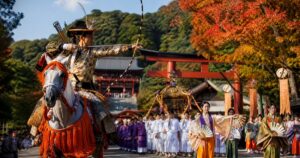
Each September, the Shinagawa Shukuba Matsuri transforms a corner of Tokyo into a vivid recreation of its post-town past. For international visitors curious about how period dress connects to Shinagawa’s history, the festival offers a direct and immersive answer: locals don costumes inspired by the Edo period, recalling the days when Shinagawa was the first post station on the historic Tokaido Road linking Edo (now Tokyo) and Kyoto. This annual event is officially recognized and promoted by Tokyo’s public tourism authorities as a key autumn highlight, and its focus on historical attire is central to its identity.
What Is the Shinagawa Shukuba Matsuri?
The Shinagawa Shukuba Matsuri is a festival held every September in Shinagawa, a district in southern Tokyo. According to the official Tokyo tourism guide, the event is dedicated to preserving the memory of Shinagawa’s role as the first shukuba, or post-town, on the Tokaido Road. This road was the main travel artery between Edo and Kyoto during the Edo period (1603–1867). The festival’s name literally means “Shinagawa Post-Town Festival,” and its most distinctive feature is the recreation of period dress and customs from the era when the area served as a bustling waystation for travelers, merchants, and officials.
How Period Dress Recalls Shinagawa’s Post-Town History
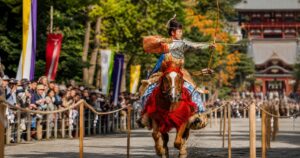
The heart of the Shinagawa Shukuba Matsuri lies in its use of period costumes. Each year, participants dress in clothing modeled after what would have been worn by travelers, samurai, merchants, and townspeople during the Edo period. This is not a generic historical reenactment but a focused effort to evoke the specific atmosphere of the Tokaido’s first post-town. The official tourism sources confirm that these costumes are central to the festival’s activities, helping to create a living tableau of Shinagawa’s past.
By donning these outfits, locals and festival volunteers embody the roles of the people who once populated Shinagawa’s inns, shops, and streets. The visual spectacle of kimono, hakama, and other traditional garments is not only for show; it is a deliberate act of remembrance. The festival’s organizers use clothing as a means to connect modern Tokyoites and visitors to the rhythms and routines of Edo-period travel. This approach is grounded in documented local history and is presented as a respectful homage rather than a theatrical performance.
Historical and Cultural Background: Shinagawa and the Tokaido Road
Shinagawa’s significance as a post-town dates back to the early 17th century, when the Tokugawa shogunate established the Tokaido as the main route between the political capital, Edo, and the imperial seat in Kyoto. Post-towns like Shinagawa were essential infrastructure, providing lodging, food, and services to travelers making the long journey. The area became known for its inns, teahouses, and vibrant street life. The festival’s period dress recalls this era, when the movement of people and goods shaped the development of both Shinagawa and the wider region.
While the festival’s costumes are inspired by historical records and artistic depictions, the event itself is a modern creation, designed to foster community pride and historical awareness. The official tourism guide emphasizes that the festival is a way to ensure that Shinagawa’s role in Tokyo’s development is not forgotten. The use of period dress is both a visual and educational tool, inviting participants and spectators to imagine the daily life of a post-town at the height of the Tokaido’s importance.
Documented Facts Versus Tradition
The Shinagawa Shukuba Matsuri’s focus on period dress is supported by documented historical facts. The official tourism sources confirm that Shinagawa was the first stop on the Tokaido Road and that the area’s identity as a post-town is central to the festival’s theme. The costumes worn during the event are based on historical research, but there are limits to how precisely they can replicate the past. The festival does not claim to provide a museum-accurate reconstruction; instead, it offers a respectful and accessible interpretation of local history.
While the festival’s activities are rooted in tradition, they are also shaped by contemporary community values. The event is organized and promoted by local authorities with the aim of celebrating Shinagawa’s heritage in a way that is inclusive and engaging for residents and visitors alike. The official sources do not provide exhaustive details about every aspect of the costumes or their historical accuracy, but they make clear that the festival’s intent is commemorative rather than strictly academic.
Practical Guidance for Visitors
For those interested in experiencing the Shinagawa Shukuba Matsuri, the official Tokyo tourism guide recommends visiting in September, when the festival is held. The event is open to the public and is designed to be welcoming to international guests. While the highlight is the parade and gathering of people in period dress, visitors are encouraged to observe respectfully and enjoy the atmosphere without disrupting the proceedings.
It is important to note that the festival takes place outdoors, and September in Tokyo can be hot and humid, with the possibility of rain or typhoons. The official sources advise bringing rain gear and light jackets, and to check local news for weather updates. The festival is a community event, and visitors should be mindful of local customs and avoid trespassing on private property or interfering with participants. Photography is generally welcomed in public areas, but always ask permission before taking close-up photos of individuals in costume.
The Shinagawa Shukuba Matsuri is one of several major events in Tokyo’s September calendar, as listed by the city’s official tourism bureau. It stands out for its focus on historical memory and the visual impact of period dress, offering a unique window into the city’s transformation from Edo-period post-town to modern metropolis. The festival’s organizers and the Tokyo Convention & Visitors Bureau provide up-to-date information on dates, schedules, and any changes or cancellations, especially in the event of severe weather.
Limits of Available Information
All information in this article is based on details provided by the official Tokyo tourism guide as of August 2026. The sources confirm the festival’s timing in September and its emphasis on period dress as a means of recalling Shinagawa’s post-town history. However, they do not specify exact dates, participant numbers, or detailed costume descriptions. Visitors are advised to consult the latest updates from the Tokyo Convention & Visitors Bureau before making plans, as event details may change due to weather or other circumstances.
The Shinagawa Shukuba Matsuri remains a living tradition, shaped by both documented history and contemporary community spirit. Its use of period dress is a powerful reminder of the area’s past, inviting all who attend to step into the world of the old Tokaido Road, if only for a day.