English Version
For readers who do not know much about the rise of Nazi Germany, one fact may come as a surprise: in its early years, Hitler’s dictatorship and the Nazi regime gained overwhelming support from many Germans by presenting themselves as a force of political stability.
Germany’s struggling economy did recover for a time, and jobs and food reached many citizens. Combined with Hitler’s now-infamous power as a speaker, many people in Germany did not question the direction the country was taking. Some accounts even suggest that large numbers of citizens were swept up by his speeches.
At the same time, however, there was one man who had already begun sounding the alarm about the expansion of the Nazi Party around the period of the Beer Hall Putsch, the failed coup that led to Hitler’s arrest and imprisonment.
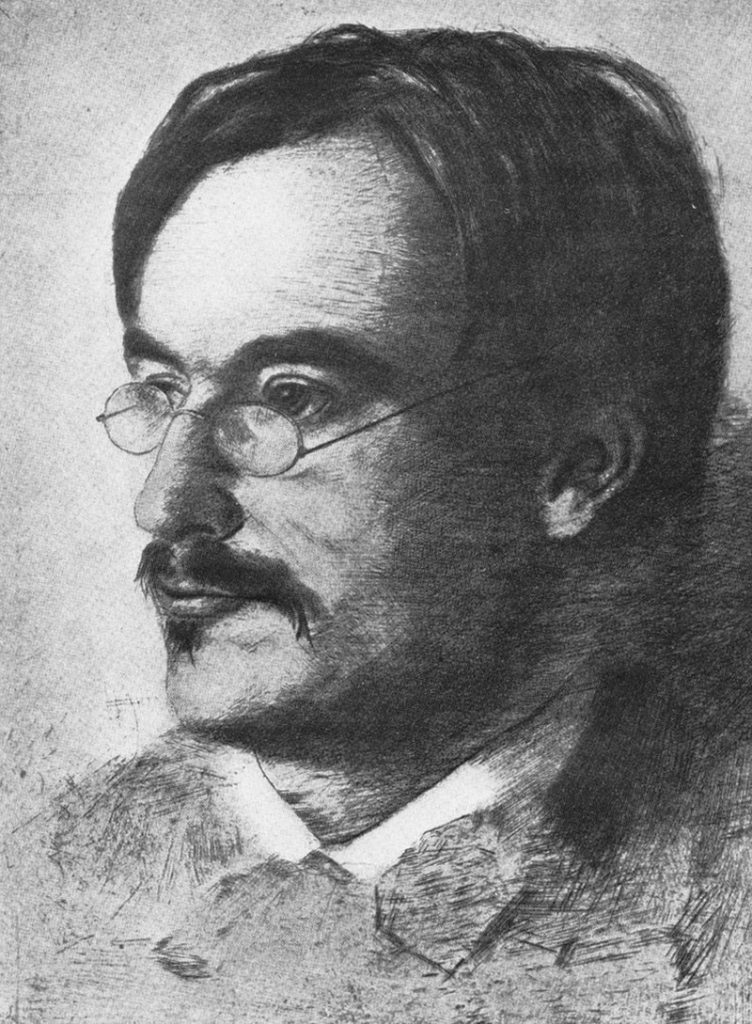
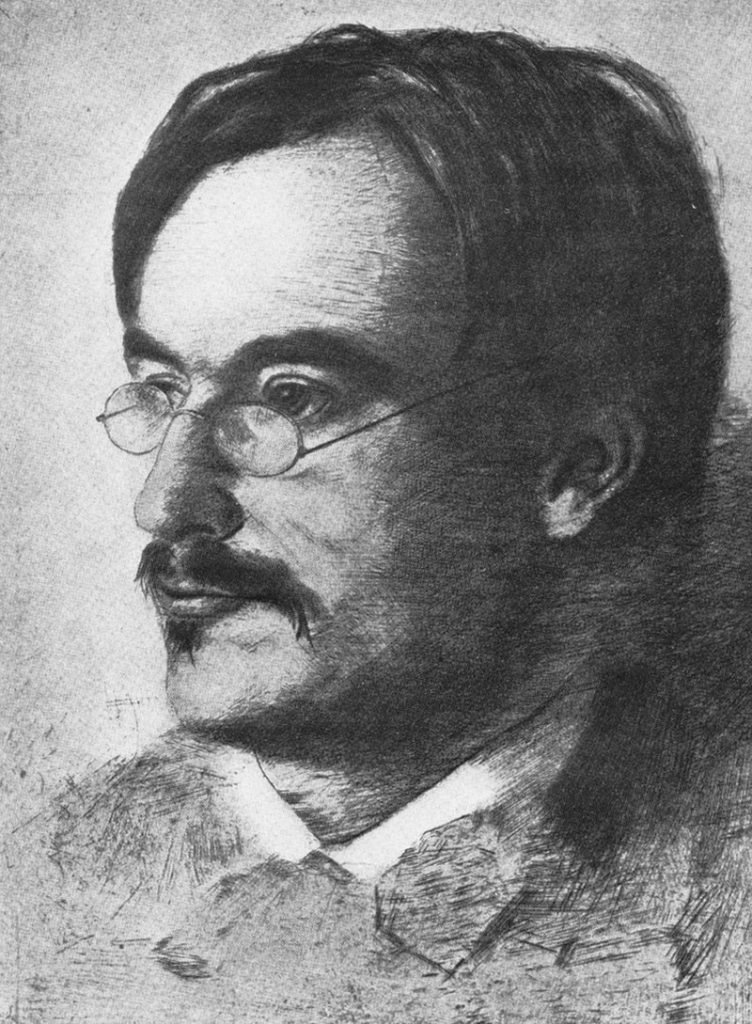
That man was Rudolf Steiner, the founder of Waldorf education and the philosophical-spiritual movement known as anthroposophy.
Who Was Rudolf Steiner?
Rudolf Steiner is difficult to summarize briefly.
He is known today as the founder of Waldorf education, sometimes described as a form of holistic education, with around 500 schools said to exist around the world. But he was also a mystic thinker who was believed by followers to possess spiritual insight, and a philosopher who first gained recognition in his twenties as a scholar of Goethe.
Steiner was deeply involved not only in anthroposophy, but also in theosophy and many related fields. A full introduction to his thought would take far more space than this article allows, so here we will focus on the connection between Steiner and the Nazis.
A Spiritual Conflict and a Warning
Steiner’s concerns were not limited to education, material affairs, or ordinary politics.
The movement he founded, anthroposophy, developed after his involvement with members of the theosophical movement in Germany. Theosophy is described here as a mystical organization that began in America in the 1890s and is often considered one of the roots of modern occultism.
Even before becoming involved with such groups, Steiner had reportedly begun to view the world not only through material reality, but through a spiritual realm beyond the five human senses. Among the theosophists he met, he was said to stand out for his spiritual thinking and analytical ability.
What Steiner saw in Germany was the Thule Society, the occult-leaning group that would become one of the roots of the Nazi Party, and the Beer Hall Putsch, in which Hitler was arrested.
On December 31, 1922, the year before the Beer Hall Putsch, Steiner was giving a lecture to around 800 people in a building he had designed and built, the Goetheanum. According to some accounts, the building was set on fire by an ardent Nazi supporter and burned down completely.
There are various theories about the reasons behind this incident. One interpretation is that Steiner’s anthroposophy was seen as a serious obstacle by the Thule Society and related circles that later fed into Nazism.
In Steiner’s thought, there were concepts often described as “spirits of light” and “spirits of darkness.” The “spirits of darkness,” in this view, sought to revive old impulses based on race and blood. From that perspective, Hitler’s ideology of Aryan racial purity would have belonged to the side of darkness.
At the time, Steiner had far greater standing and influence than Hitler in political and social terms. But beneath the surface, the conflict was also one between mystical worldviews and occult thinkers.
Dietrich Eckart, who was considered one of Hitler’s spiritual and ideological influences within the Thule Society, is said to have been deeply wary of Steiner’s spiritual power and analytical ability. After these tensions, the Beer Hall Putsch took place.
The Beer Hall Putsch is often discussed in studies of Hitler, but at the time Hitler himself was not yet especially powerful, and the Thule Society was not a major force either.
Even so, Steiner reportedly told his disciples that if this group, meaning the Thule Society, ever gained great power, it would bring great misfortune to Central Europe.
Steiner’s Warning About the Swastika
As described above, Steiner is said to have understood the deeper nature of the Thule Society before the Nazi Party rose to prominence.
The Thule Society was originally a gathering of occultists who promoted Germanic racial supremacy. Hitler entered the organization under military orders as a kind of infiltrator, but he quickly sympathized with the ideas of figures such as Dietrich Eckart and became part of the group’s inner circle.
When Eckart was left unable to recover fully after the police confrontation during the Beer Hall Putsch, Hitler later moved toward legally seizing power for the Nazi Party.
Steiner is said to have understood, on a spiritual level, what the Thule Society was trying to do. He reportedly warned that there was a group attempting to bring the swastika into Central Europe, and that they understood the meaning of the symbol.
According to this account, Steiner also stated that the sign itself had power.
In other words, Steiner is portrayed as someone who foresaw what the Nazi Party intended to do, and what the expansion of Nazi power would mean for Central Europe.
But despite his warnings, Steiner died in 1925.
An Occult Civil War
As this story presents it, Steiner and the Nazi movement were always in a state of opposition.
Steiner was not really of Hitler’s generation. He belonged more to the era of Dietrich Eckart, the ideological figure behind the Thule Society. In that sense, the conflict between them can be viewed almost like a spiritual civil war: Steiner watched Eckart, and Eckart watched Steiner.
History does not allow for easy “what ifs.” Still, if Steiner’s warnings had spread more widely, or if his disciples had continued to warn people about the Nazi Party while it was still a small force, perhaps the one-party dictatorship of the Nazis might have been avoided.
Reference cited in the original article: Hermann Rauschning, The Eternal Hitler.
If you visit real Steiner-related sites such as the Goetheanum, check official access information in advance, respect local rules, and do not enter restricted areas.
Japanese Language
あまりナチス・ドイツの成り立ちを知らない人には意外な事実かもしれないが、ヒトラーの独裁政治や初期ナチスドイツは、政治的には国内を安定させることによって ドイツ国民から圧倒的な支持 を受けていた。現実に当時ドイツで困窮していた経済は回復し、国民には仕事と食料が行き渡った。そして 有名なヒトラーの演説力によって、ほとんどのドイツ国民はナチスドイツの政治方向を疑うことがなかった のだ。むしろヒトラーの熱弁にあてられた国民の方が多かったとも言われている。
しかし、一方でヒトラーが逮捕、収監されるキッカケになった「ミュンヘン一揆」の頃から既にナチ党の拡大に対して警鐘を鳴らす男がいた。それが人智学と呼ばれる哲学、思想を合わせたシュタイナー教育の創始者である 「ルドルフ・シュタイナー」 である。ルドルフ・シュタイナーとは?。。画像引用元: 。シュタイナーという人物を簡潔にまとめるのは非常に難しい。何故なら現在でも世界に約500校ほどあると言われているシュタイナー教育(全人教育)の創始者ではあると同時に、 神秘思想家 として霊的な力を持っていたり、最初は20代でゲーテの研究者として名前を上げた 哲学者 でもあった。
人智学やその基礎になった神智学、また、その他の分野にも大きく関わっていたシュタイナーの全てを紹介してしまうと、もはや10ページでも収まらなくなる規模になってしまうので、ここではシュタイナーとナチスに関連したことに絞って紹介していこうと思う。超感覚的世界での攻防と予言 。シュタイナーが研究していたのは単純な教育問題や物質的、政治的な問題ではなかった。シュタイナーが創立した 「人智学」 は、元々シュタイナーがドイツで活動していた頃にドイツの神智学メンバーとの交流を経て発足したものであった。
神智学とは1890年代にアメリカで発足した神秘思想家団体であり、近年のオカルティズムの起源となったとも言われている。。こういった団体や人物に関わる以前より、シュタイナー自身も物質的な世界ではなく、いわゆる人間の五感を超えた精神領域で物事を捉えるようになっていた。神智学においてもシュタイナーが交流したメンバーに対して様々な考え方を説いていた方が多かったと言われており、霊的な思考力や分析力は抜きん出ていたという。そんなシュタイナーがドイツで見たのが、 まだ当時無名に近かったナチ党の母体である「トゥーレ協会」であり、ヒトラーも逮捕されたミュンヘン一揆 であった。
さらにこのミュンヘン一揆の前の年末である1922年12月31日には、シュタイナーが自らが設計して建てた「ゲーテヌアム」という建物で800人を前に講演をしていた際に、熱心なナチス信者によって放火され、全焼するという事件が起きている。これには様々な理由があるが、シュタイナーの唱える人智学はいわばナチ党の母体であるトゥーレ協会にとっては非常に邪魔なものだったと推測されている。※シュタイナーの考えでは 「光の霊」 と 「闇の霊」 という概念があり、 闇の霊は人種や血による古い衝動を蘇らせようとしている としていた。
つまり、 アーリア人の純血主義を唱えたヒトラーは「闇の霊」である ということになる※ 。当時の勢力で言えば、政治的にも地位的にも圧倒的にシュタイナーの方が上であった。しかし、その根本にはお互いが神秘思想家、オカルティストであるという対立が生じており、特にトゥーレ協会でのヒトラーの精神的な指導者であったディートリヒ・エッカートはシュタイナーの霊的な力と分析力を非常に警戒していたという。こうした諍いなどがあった後、ミュンヘン一揆が発生したのである。
ミュンヘン一揆はヒトラー研究の中でよく取り上げられる事件ではあるが、 実はミュンヘン一揆当時のヒトラーはそこまで力を持っていなかったし、トゥーレ協会そのものも大きな存在ではなかった。。しかしシュタイナーは 「今後、この団体(トゥーレ協会)が大きな勢力を持つようになれば中部ヨーロッパに大きな不幸がもたらされる」 と弟子達に語っていたという。シュタイナーによるハーケンクロイツの分析と警告。。前述の通り、シュタイナーはナチ党として台頭する以前からトゥーレ協会の底の底を読んでいたのである。
トゥーレ協会は元々はゲルマン民族至上主義を掲げたオカルティストの集まりであり、ヒトラーも軍部の命令によって内部潜入することになったのである。しかし、ディートリヒ・エッカートなどの考えに同調し、あっという間に組織の中枢メンバーとなった。ミュンヘン一揆の際に警官隊からの攻撃によってエッカートが再起不能になると、その後は中心メンバーとしてナチ党の合法的な政権獲得へと向けて動いている。シュタイナーはトゥーレ協会が「何をしようとしていたか」について霊的な部分で把握していたと言われており、 「ハーケンクロイツを中部ヨーロッパに持ち込もうとしている集団がいる。
彼らはこのマークの意味を知っており、この印には効果がある」 ことも断言していたという。つまり、シュタイナーは常にナチ党が何をしようとしているか、またナチ党の勢力拡大によって中部ヨーロッパがどうなるかを見通していたということである。。しかし、その警告もむなしくシュタイナーは1925年に亡くなってしまう。オカルト世界での内戦。ここまで解説したように シュタイナーとナチ党(ナチス・ドイツ)は常に対立構造 にあった。しかし、シュタイナーはヒトラーとは同世代ではなく、どちらかと言うとトゥーレ協会の思想的なリーダーであったディートリヒ・エッカートと同じ時代を生きた人であった。
これはある意味で霊的な内戦に近いものであり、 シュタイナーはエッカートを、エッカートはシュタイナーを常に警戒していた のである。歴史に”もしも”は通じないが、シュタイナーの声がもう少し広がっていれば、あるいは弟子によってまだ小さな勢力であったナチ党への警告が続いていればナチ党の一党独裁は起きなかったかもしれない。。参考出典:ヘルマン・ラウシュニング著書「永遠なるヒトラー」