English Version
Today, most people learn about the war in which Japan became a defeated nation as World War II. That name is not wrong. But in Japan, the conflict also had another name used by the wartime government: the Greater East Asia War.
It is a loaded term today, and it is not used as often in everyday conversation. Still, behind that devastating war are stories that rarely fit neatly into school textbooks. This series looks at those hidden corners of history, beginning with one of the most legendary spies of the 20th century: Richard Sorge of the Soviet Union.
Who Was Richard Sorge?
Richard Sorge was a Soviet spy. After graduating from the University of Berlin, he served in the German army on the Western Front during World War I.
After being wounded in battle, Sorge eventually became connected to Soviet military intelligence following the Russian Revolution. He was assigned to the Fourth Department of the General Staff of the Workers’ and Peasants’ Red Army, an intelligence organization that would later bring him into deep contact with Japan.
After conducting espionage activities in Shanghai, Sorge came to Yokohama to investigate the movements of Japan and Germany. He eventually succeeded in gaining the trust of Eugen Ott, Germany’s ambassador to Japan, and became close enough to serve as an adviser to the ambassador.
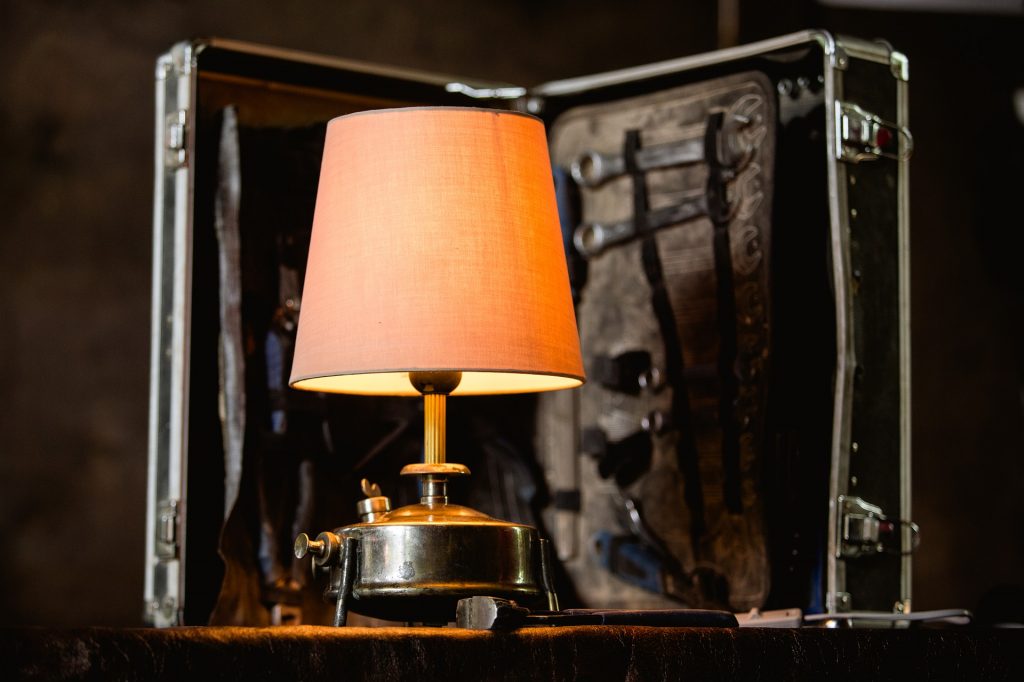
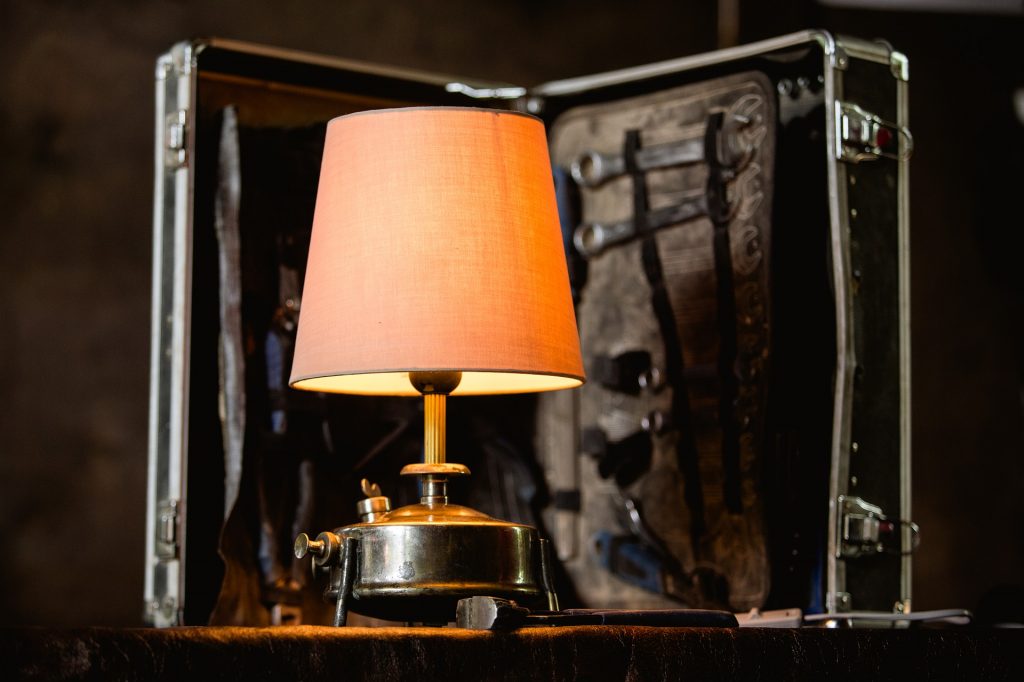
From this career alone, it is clear that Sorge was an unusually skilled intelligence operative. He continued to win the confidence of influential people, then sent information back to his homeland using a radio transmitter he had modified from a shortwave receiver.
That activity would lead to the famous Sorge Incident.
The Sorge Incident
The Sorge Incident refers to the discovery of an espionage network inside Japan centered on Richard Sorge. Beginning around September 1941, Sorge and other alleged spies were arrested over the following months. After his trial, Sorge was executed.
Before Japan entered the war, Sorge gathered information through many channels, including Japanese communist-linked contacts, Americans, and Germans. His activities shook the Japanese authorities.
Even after his arrest, Germany reportedly insisted that Sorge’s detention was unjust. That reaction suggests how completely he had earned the trust of people connected to the German embassy. He was so trusted that his arrest was described as the “unjust arrest of a citizen of a friendly nation.”
Sorge was arrested after authorities discovered that he had been sending information using a radio transmitter he had modified himself. More than 20 people were arrested along with him, making it a major espionage case.
At first, Sorge is said to have denied the charges. But as evidence was presented one piece after another, he eventually confessed. One source cited in the original article is Erwin Wickert’s account of the German embassy during the war.
Sorge’s Bold Methods and Intelligence Network
When people imagine spies or intelligence agents, they may picture someone hiding indoors, decoding messages in a dark room. Sorge was different.
He traveled by motorcycle, lived very close to a police station, and operated while fully aware that all foreigners in Japan were under surveillance by the Special Higher Police.
Despite that danger, he gained the trust of people in many circles. Eventually, through contacts connected to Prime Minister Fumimaro Konoe’s advisers, he learned details of meetings that helped determine Japan’s future policy.
One of the people who cooperated with Sorge was Hotsumi Ozaki, a former employee of the Osaka Asahi Shimbun newspaper. Ozaki was later arrested and executed.
The key information Sorge sent to Moscow was that Japan would not move north against the Soviet Union.
This mattered enormously. At the time, it was uncertain whether Japanese forces would advance north from Manchuria while Germany attacked the Soviet Union from the opposite side, or whether Japan would instead collide with the United States.
If Japan and Germany had attacked from both sides, the Soviet Union could have faced a national crisis. For Moscow, understanding Japan’s intentions was critical.
Sorge used his exceptional intelligence skills to gather many kinds of information and continued sending it to his homeland. He was arrested only about two months before the attack on Pearl Harbor. In other words, he had been operating in Japan as a spy almost until the very edge of the Pacific War.
Sorge also had a Japanese girlfriend. Although they do not appear to have married, Hanako Ishii, who was deeply involved with Sorge, died in 2000 at the age of 88. Some have wondered whether even that relationship was part of his calculations, but that remains speculation.
How Did Sorge Affect the War?
Sorge sent the Soviet Union the message that Japan would not invade the Soviet Union.
According to this interpretation of events, that intelligence later influenced Soviet strategy. The Soviet Union eventually renounced the Soviet-Japanese Neutrality Pact, maneuvered against Japan, and entered the war against Japan near the end of the conflict.
That fighting connects to issues that still echo today, including the Northern Territories dispute, Manchuria, and the Korean Peninsula. The struggles over southern Sakhalin and the Kuril Islands are also part of the same historical chain.
Japan fought the United States and lost. But one view of the Greater East Asia War is that the country that gained the most from the chaos was the Soviet Union.
Why Japan lost that war, and what the Greater East Asia War really was, will be explored in the next article.
Traveler’s Note
For travelers interested in this history, museums, archives, and official memorial sites are the safest and most respectful places to learn more. Do not enter restricted government, diplomatic, military, or private property while looking for wartime sites or ruins.
Japanese Language
日本が「敗戦国」となった先の大戦…今、学校では第二次世界大戦と教えていますし、ほとんどの人が第二次世界大戦というのではないでしょうか。もちろん、第二次世界大戦という表現は今は間違いではありません。ですが、第二次世界大戦には 別の呼び名…正式な呼び名があるんです。それは 「大東亜戦争」 あまり使われない言葉ですが、たくさんの悲劇を産んだあの大戦には、決して学校では教えられない事実が隠されているのです。。大東亜戦争についての真実に迫る連載の最初の話は「ソ連伝説のスパイ リヒャルト・ゾルゲ」についてです。
。リヒャルトゾルゲとは?。。リヒャルトゾルゲは旧ソ連のスパイで、ベルリン大学を卒業後、第一次世界大戦の際に陸軍として西部戦線で戦場に立った人物です。。戦場で怪我をしたゾルゲはロシア革命後に 軍事諜報部門の労農赤軍参謀本部第4局に配属されて後に、日本とも深く関りを持つことになります。ゾルゲは、上海でのスパイ活動の後、日本とドイツの動向を探るべく横浜に来日します。そして、とうとう当時のドイツの駐日大使オイゲン・オットに取り入ることに成功し、大使の顧問にまで接近します。
この経歴から、リヒャルトゾルゲがスパイとしてとても優秀な人物であったことが伺えます。。そのあとも、要人の信頼を次々に勝ち取っていきその情報を短波受信機を改造した無線機で母国に送っていたのです。そして、ゾルゲ事件を引き起こすのです。。ゾルゲ事件はどんな事件だったのか 。。ゾルゲ事件とは、日本国内でリヒャルトゾルゲを中心としたスパイが諜報活動や謀略を働いていたという事件です。。1941年9月からの約半年の間にゾルゲを始めとするスパイが逮捕され、ゾルゲはその後の裁判を経て処刑されます。
。ゾルゲは日本の共産党系の関係者や米国、そして、ドイツなど様々なルートから情報を仕入れて、開戦前の日本を揺るがしました。ゾルゲが逮捕された後も、ドイツはゾルゲの逮捕を「不当」と主張していました。心からゾルゲを信頼していたのでしょう。「友邦国民に対する不当逮捕」とまで言わせるほど、ゾルゲはドイツ大使館関係者の信頼を勝ち取っていたのです。。ゾルゲは、自分で改造した無線機で情報を送っていたことがバレて逮捕されます。そしてゾルゲと一緒に20人以上の人物が逮捕されるという大事件でした。
最初、ゾルゲは容疑を認めなかったそうですが、次々と証拠を突き付けられて、最後には自供に至ったそうです。参考資料 エルヴィン・ヴィッケルト『戦時下のドイツ大使館』P.33 中央公論社 。大胆不敵なゾルゲの行動と卓越した諜報能力 。スパイとか諜報員と聞くと、あまり外に出歩かずに、暗い家の中で暗号の解読をしている…みたいなイメージでしたが、ゾルゲは違っていました。ゾルゲは、オートバイで移動し、警察署のすぐ近くに住んで外国人はすべて特高警察の監視下に置かれていることをすべて解った上で行動していた のです。
。そして、あらゆる人物の信頼を勝ち取り、とうとう、近衛文麿首相のブレーンから日本の今後の方針を決定する会議の内容まで知るに至ります。この時、ゾルゲに協力していた人物の中には、 大阪朝日新聞の元社員の尾崎秀実 もいました(後に逮捕され死刑となっています) 。この時、ゾルゲが母国に送っていた情報は「日本が北上しないこと」でした。なぜこの情報が重要だったかというと、満洲から日本軍が北上しさらに同盟国のドイツが反対側からソ連に進行するのか、それともアメリカと衝突するのかは微妙だったんです。
もし、日本とドイツに挟み撃ちにされればソ連は国家の危機を迎えることになります。そのような動向が日本とドイツにあるのかはソ連にとって極めて重要なことだったのです。。ゾルゲは卓越した諜報能力を駆使して様々な情報を取得し、祖国に送り続けます。そして、ゾルゲが逮捕されたのは、真珠湾攻撃のわずか二ヶ月前のことでした。つまり、 大東亜戦争開戦ギリギリまでゾルゲは日本で諜報員として活動していた ということになります。。ちなみにゾルゲには日本人の彼女がいました。
結婚はしていなかったようですが、ゾルゲと深い関係にあった石井花子さんは2000年に88歳で他界されています。彼女との関係ももしかしたら、計算ずくだったのかもしれませんね。。参考資料 愛情はふる星のごとく 上巻 尾崎秀実 著 三笠書房 1951 (三笠文庫) 。モスクワで発掘された「特高功労上申書 – 渡部富哉「ゾルゲ事件の真相究明から見えてくるもの」(ちきゅう座スタディルーム) 。ゾルゲが大東亜戦争に与えた影響とは 。。ゾルゲは祖国に「日本はソ連には進行しない」という情報を送っていたわけです。
そしてその情報をもとにソ連は日ソ中立条約を破棄し、日本との駆け引きを進めソ連対日参戦を仕掛けてくることとなります。。そして、この戦争が現在も解決しない北方領土や当時の満洲、北朝鮮で戦闘を繰り広げることとなります。南樺太や千島列島を巡る駆け引きも全てが繋がってくるのです。。日本とアメリカに戦争をして日本が負けた訳ですが、大東亜戦争でまるで漁夫の利を得たのはソビエト連邦だったという考え方もできるというわけです。日本があの大戦で負けた理由やそもそも大東亜戦争とはなんだったのか…については次回の記事でご紹介していきますね。
。参考資料 。外務省編『ゾルゲの獄中手記』山手書房新社 。『ゾルゲ事件獄中手記』(岩波現代文庫)岩波書店 。みすず書房編集部編『ゾルゲの見た日本』みすず書房 。ライター。Miiko 福岡県在住フリーライター