English Version
One of the major events that weakened the authority of the Later Han dynasty was the Yellow Turban Rebellion. Anyone who has encountered the Three Kingdoms through manga, games, or historical fiction has probably heard of it: a massive uprising led by Zhang Jue, the religious leader of a new movement.
In many Three Kingdoms stories, the Yellow Turbans are wiped out early and quickly, which makes Zhang Jue feel like little more than an introductory enemy. But the more you look at the period, the more a question starts to appear: was Zhang Jue actually more significant than he is usually portrayed?
Of course, both in historical records and in Romance of the Three Kingdoms, there is no doubt that his rebellion was suppressed by the government forces of the time. Even so, his stated motive — to challenge corrupt politics — was not entirely without reason. The Yellow Turbans also had indirect ties to later figures remembered as heroes, including Cao Cao.
A rebellion against a rotten court
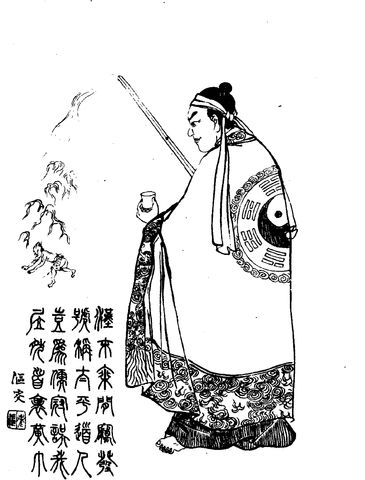
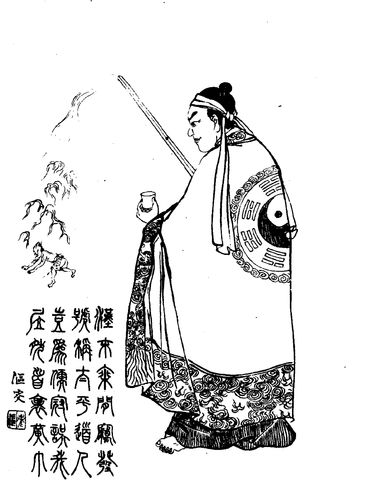
Zhang Jue was the leader of Taiping Dao, a Taoist religious movement. There are not many detailed sources about his life, and Romance of the Three Kingdoms strongly presents him as an elderly sorcerer-like figure.
But the Later Han at the time was under Emperor Ling, and political power was dominated by groups such as the Ten Attendants and the emperor’s relatives by marriage. There is little sign that the government was still carrying out policies that seriously considered the lives of ordinary people.
The severe food situation of the era gives us one clue. Cao Cao later introduced the tuntian system, using soldiers for agricultural colonies in order to secure supplies. At the Battle of Wuzhang Plains, where Zhuge Liang Kongming met his end, the surrounding area was also cultivated under Zhuge Liang’s orders as a measure to deal with food shortages.
In other words, securing and transporting grain was one of the most important issues in warfare. In an age of rival warlords, this suggests that the corruption of the Later Han government may have pushed the common people beyond their limits.
It was in this situation that Zhang Jue rose up with many followers, declaring the corrupt imperial court to be wrong. His forces were eventually suppressed by government armies that included figures such as Huangfu Song, He Jin, Liu Bei, and Cao Cao.
Even so, Zhang Jue’s actions may have made many regional lords realize that the Han imperial house no longer represented proper government, and that the hearts of the people had drifted away. According to some records, Zhang Jue had been spreading his teachings for more than ten years, and his movement seems to have helped trigger an uprising involving at least hundreds of thousands of people.
The rebellion was not innocent
It is also true that the Yellow Turbans committed looting and other violent acts. There are several possible reasons why the government treated their uprising as something to be crushed.
First, it was a rebellion against the Later Han dynasty, the ruling dynasty of the time, so from the state’s point of view, suppression was legitimate. Second, as the Yellow Turban movement spread across different regions, some of its followers reportedly looted people who were not part of their faith.
During the Three Kingdoms period, there was also a real example of religious rule in Hanzhong under Zhang Lu, who preached the Way of the Five Pecks of Rice. But there was a major difference: Zhang Lu survived, while Zhang Jue died during the rebellion.
Because Zhang Jue’s origins remain unclear, it may be that although he was a religious leader, he did not have exceptional ability as a political organizer. Still, the records also show that his forces gave the government armies serious trouble. After the Yellow Turban Rebellion was suppressed, more people in other regions began to rebel as well. In that sense, Zhang Jue may have been one of the figures who caused the age to shift dramatically.
If the Yellow Turban Rebellion had never happened, the local lords might only have replaced the corrupt government without the same wider upheaval.
The Yellow Turbans in Cao Cao’s army
Cao Cao is often imagined as a villain, but some people argue that he was actually the central figure of the Three Kingdoms story. Opinions differ depending on interpretation, of course, but one important fact is that Cao Cao incorporated the Yellow Turbans of Qingzhou into his own forces.
He allowed former Yellow Turban soldiers freedom of belief and guided their military strength into his army. The Qingzhou Yellow Turbans who joined Cao Cao are said to have become an extremely powerful force, and may have played a central role in the military organization of Wei.
Zhang Jue’s place at the beginning of an era
Zhang Jue and the Yellow Turbans helped open the door to the Three Kingdoms age. In the corrupt final years of the Later Han, Zhang Jue had no major political backing, yet he raised an army and challenged the imperial forces.
Whether one sees him as a rebel, a religious leader, or a dangerous agitator, the movement he led clearly influenced the age that followed. Considering these points, it is hard not to wonder: was Zhang Jue really just a strange religious figure from the opening chapter of the Three Kingdoms, or was he someone far more important than that?
Japanese Language
三国志の時代において、後漢の権威が大きく下がった原因の1つに黄巾の乱が挙げられます。マンガやゲームなどで三国志に触れたことのある方は、ご存知だと思いますが、黄巾の乱とは張角(ちょうかく)という教祖による新興宗教団体の反乱でした。ほとんどの三国志に関連する作品では、序盤にささっと討伐されてしまうので、いわゆる雑魚キャラ感が拭えない人物ではありますが、個人的には三国志を色々と見ていると。あれ?張角って意外と凄かった?。と考えることがたびたびあります。
もちろん、史実においても三国志演義においても、当時の官軍に鎮圧されたことには間違いないのですが、腐敗した政治を正そうとした動機にはそれなりの筋が通っており、曹操などの英雄と語られる人物にも間接的に関わっているのが黄巾党だったのです。腐敗政治に民衆が立ち上がったキッカケを作った張角。。画像引用元: 張角 。太平道という道教の教祖であった張角についての詳細に触れている文献などは少なく、三国志演義では魔術師のような扱いで登場する老人というイメージが非常に強いですが、当時の後漢は霊帝の時代であり、いわゆる十常侍や皇帝の外戚が権力を欲しいままにしており、一般庶民を省みるような政治はすでにおこなわれていたような形跡がありません。
その証拠に、曹操は兵士に対して屯田制を採用し、兵糧の確保に務めていましたし、諸葛亮孔明が最期を迎えた五丈原の戦いでも諸葛亮の指示によって付近が開墾され、兵糧対策をおこなっていました。それほど、当時の食料事情は厳しいものであり、兵糧の確保や補給は戦争において最重要点とされていたことが見受けられます。群雄割拠の時代にあって、そのような食料事情であったことから、後漢の腐敗政治はおそらく民衆の限界を超えるようなものだったと推測出来るでしょう。そんな中、腐敗した朝廷は誤りだとして多くの信者と共に立ち上がった張角は皇甫嵩や何進、劉備や曹操も含めた官軍によって鎮圧されてしまいます。
しかし、張角が行動を起こしたことによって、諸侯の中には漢室にもはや正しい政治がなくなり、人民の心も離れていることを悟った人物も多いでしょう。ある記録によると、張角は10年以上も布教活動を行なっており、少なくとも数十万人という民衆の蜂起のキッカケを作ったことが伺えるのです。略奪や蛮行が行われたのも事実。。黄巾党による反乱は、官軍によって鎮圧されますが、この背景には様々な理由が推測出来ます。1つは当時の王朝であった後漢に対しての反乱であったことから、正当な鎮圧であったこと、そしてもう1つには各地に広がった黄巾党が信者以外の人民から略奪などの行為を行なっていたことが挙げられるでしょう。
三国志の時代には、漢中に張魯(ちょうろ)という五斗米道を説いた宗教による支配も実際にありましたが、張魯は生きており、張角は反乱の途中で亡くなってしまったという大きな違いがあります。また、張角の出自は明らかになっていないことから、やはり宗教家ではあったものの、政治家としての引率能力はそこまで大きなものではなかったのかも知れません。しかし、鎮圧に来た官軍に対しては大きく苦戦させている事実も残っており、黄巾の乱が鎮圧された後は、他の地域でも反乱を起こす人物が増えたことから、時代が大きく動くきっかけを作った人物であったと言えるかも知れません。
もしも、黄巾の乱が起こっていなかったら、各地の諸侯は腐敗政治に取って代わるだけで終わっていたかもしれないのです。曹操の兵士として活躍した黄巾党。一般的に悪役のイメージが強い曹操ですが、実際には三国志の主役は曹操だったとも言われています。もちろん、個人の解釈や見方によって意見が分かれるところではありますが、曹操は自身の兵力に青州の黄巾党を組み込んでいます。黄巾党であった兵士に信仰の自由を認めた上で、その強力な武力を活かせるように導きました。
曹操軍に編成された青州の黄巾党は非常に強力な軍になり、魏の軍編成において中心的な存在となったとも言われているのです。三国時代の始まりを担った黄巾党と張角。腐敗した後漢末期にあって、政治的な後ろ盾もなく挙兵し官軍に挑んだ張角の率いた黄巾党は、多かれ少なかれその後の時代に影響を与えています。こういった事実を考えると、あながちただの宗教家でもなかったのではないのかなと感じてしまうのは僕だけでしょうか?