English Version
For every living creature, including humans, death is unavoidable. Most of us have probably wondered at least once: where do we go after we die?
Ideas about the afterlife vary widely depending on a person’s beliefs, culture, and religion. This article introduces several views of the world after death based on religious traditions and related ways of thinking. It is not intended to recommend any particular religion.
Christianity and the Afterlife
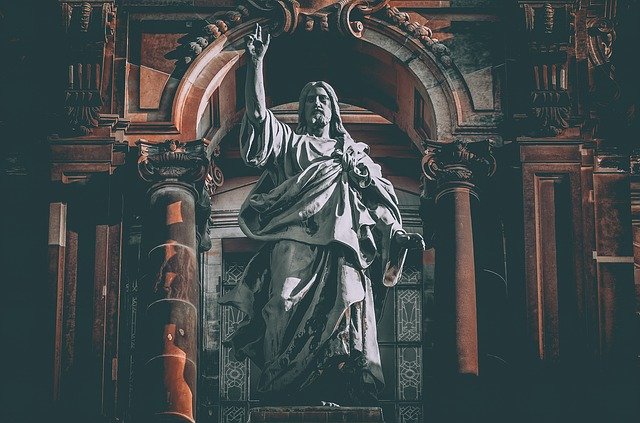
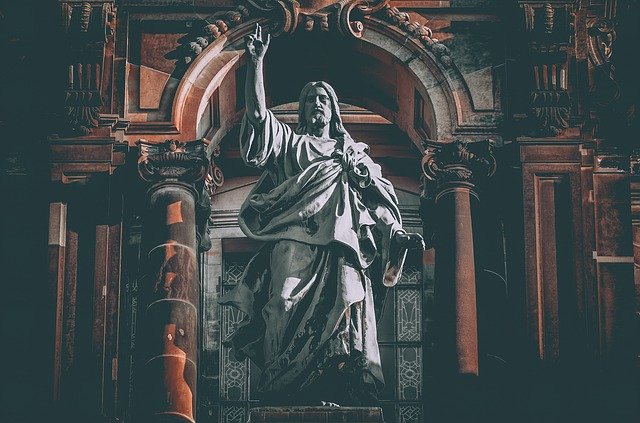
In Christianity, death is not always seen as the end of life. It is often understood as a passage in which a person’s sins on earth may be forgiven by God in Heaven, and the soul may be granted eternal rest.
According to this view, the dead await the Last Judgment and are allowed to remain in Heaven until the day of resurrection. On the day of the Last Judgment, all the dead are said to rise again and receive God’s judgment. At that time, it is decided whether they will be welcomed into the Kingdom of God or sent to Hell to suffer eternally.
The Bible includes a well-known statement attributed to Jesus Christ: ‘I am the resurrection. Whoever believes in me will live, even though they die. And whoever lives and believes in me will never die.’
In Catholic thought, death is also described as a punishment brought about by the root of human sin. Although interpretations of the next world have developed over time, categories such as Heaven, Hell, and Purgatory became important. In some explanations, the soul after death may go to one of five places: Heaven, Hell, Limbo, the Limbo of Infants, or Purgatory.
Judaism and the Afterlife
In Judaism, one traditional idea is that when a person dies, they return to the earth. Put simply, death means the end of everything.
Compared with religions that emphasize divine judgment after death, this view can feel very realistic. It is close to the idea that there may be no separate world after death.
However, modern Judaism has also been influenced by other traditions, including Zoroastrianism and Christianity. Because of that, some branches are said to include ideas about an afterlife, though this is described as only a limited part of the tradition.
Islam and the Afterlife
In Islam, the dead are said to remain for a time in Barzakh, a realm between death and resurrection, regardless of whether they were good or bad in life.
There, they wait for the Last Judgment by Allah. In this place, two angels are said to come and carry out something like a brief questioning.
Then the day of the Last Judgment arrives. When an angel blows a trumpet, all living beings in this world, regardless of religion, lose consciousness. When the trumpet is blown again, everyone awakens.
At that moment, the souls that had been waiting in Barzakh are restored in the form they had while alive. Then Allah, the one God, appears before everyone.
The dead are questioned together with the angels who accompany Allah. The angels carry records in which every action from a person’s life is written down. At this time, it is said that no one can lie; people naturally and honestly report what they have done.
Allah is described as extremely merciful, and it is said that He tries to send as many people as possible to Heaven. Because of this, some explanations say that only those who have committed truly great evil are sent to Hell. Those who enter Heaven are able to live in Jannah, the eternal paradise.
Buddhism and the Afterlife
In Buddhist and Japanese afterlife imagery, one of the most famous places is the Sanzu River. After death, a person is sent to this river and must cross it.
To cross, the dead need a fare called the rokumonsen, or six coins. In traditional belief, the person’s descendants must place these coins in the coffin.
After safely crossing the Sanzu River, the dead encounter Datsueba, a large old woman who strips away their clothes. The idea is that babies are not born wearing clothes, so it would be strange for the dead to enter the next world still dressed.
Then comes King Enma. It is said that there are around ten kings who rule Hell, and the dead must appear before them. However, according to this explanation, King Enma is the one who actually does the work.
When a dead person stands before him, King Enma opens his record book and examines the person’s actions in life. He then gives a fair judgment. Those found guilty are sent to Hell, while those without sin are welcomed into Gokuraku, a Buddhist paradise.
In this view, the world after death changes depending on King Enma’s judgment.
Final Thoughts
These are some of the ways different religions and traditions imagine the afterlife. The details vary greatly, and that variety is part of what makes the subject so fascinating, especially for readers interested in folklore, the occult, and the mysteries surrounding death.
Again, this article is only an introduction to different beliefs about the afterlife. It is not meant to promote any specific religion.
Japanese Language
動物に生まれてきてしまったら避けては通れないもの。それは 「死」 です。誰しも、一度や二度人間を含む動物は死んだらどこへ行くのかなんて考えたことがあると思います。死後の世界に関しては、その人の考え方や宗教があるため意見はたくさんあります。ここでは色々な宗教などの思想家の考えを元に死後の世界を解説していきたいと思います。※特定の宗教を勧める目的で作成したものではありません。。キリスト教の死後の考え方。。キリスト教では、 死は命の終わりではなく 、天の神から地上での罪が許され、永遠の安息を与えられたということ になっています。
最後の審判を受け、復活の日まで天国で過ごすことが許されます。最後の審判の日には、死者はみな復活し神の裁きを受けます。そして神の国へ迎えられるのか、又は地獄に送られ永遠の苦しいみを味わうのかが決まるそうです。実際に聖書でイエスキリストが「私はよみがえりです。私を信じるものは死んでも生きるのです。また、生きていて、私を信じる者は皆、永遠に死ぬことがありません」という記述があるのです。カトリックでは、 「死」は人間の罪の根源がもたらす刑罰 という考えがあります。
新約聖書には来世に関する記述はありませんが、天国、地獄、煉獄(れんごく)という区分が作られてきました。死後は、 天国、地獄、辺獄、幼児の辺獄、煉獄 の5つの場所に行くとされています。。ユダヤ教の死後の考え方。。ユダヤ教で 死ねば土に戻る と考えられています 。わかりやすく言うと、死ねばすべては終わる。という徹底した考え方です。ユダヤ教の考え方は他の宗教とは違い、神の裁きを受けるといったものではなく、大変現実的なものですね。この考え方は、死後の世界はないという考え方をしているのと同じような感じですね。
しかし、現代のユダヤ教は他の宗教(ゾロアスター教・キリスト教)からの影響を受け、一部宗派では、死後の世界を考える宗派もあるらしいですが、それはほんの一部だけだそうです。イスラム教の死後の考え方。。イスラム教では 死んだ人は善人か悪人だろうが関係なく 一度冥界「バルザフ」にとどまります。。ここで、アラーによる 最後の審判を待つ のです。。この場所では2人の天使がやってきた軽い取り調べのようなものが行われるそうです。そして来るべき最後の審判の日がやってきます。
天使がラッパを吹きならすと、宗教関係なくこの世に生きるものは 全員気絶 してしまいます。もう一度ラッパを吹きならすと全員が 目を覚ます のです。この時何が起こっているのかというと、これまで冥界「バルザフ」で待機していた 魂が生前の姿でよみがえる のです。そして、皆の前に唯一の神アラーが降臨するのです。アラーと共にやってきた天使と取り調べを受けることになります。天使が持っている帳簿に生きている時に行ってきたことがすべて書き写されて行きます。
この時 嘘はつけず、自然と正直に報告してしまう そうです。アラーは大変慈悲深い方なので、なるべく多くの人を天国に送ってあげようとするそうです 。そのため、よほどの大悪をしなければ地獄に落ちないといわれています。天国に行けた場合は「ジャンナ」と呼ばれる「永遠の楽園」に住むことができるのです。仏教の死後の考え方。。仏教での「死後」で多く語られているのが三途の川です。死後人は三途の川に送られ、目の前に広がる三途の川を渡ることになります。渡るには 六文銭という運賃が必要 になります。
六文銭を入手するには、 子孫に棺桶の中に入れてもらう必要 があります。。無事、三途の川を渡り切ると、脱衣婆と呼ばれる大きな老女によって、服をはぎ取られます。服を着て生まれる赤ちゃんはいません よね。そのため、死後の世界で服を着ているというのはおかしいこと なのです。そして、 閻魔大王の登場 です。地獄を収める王様は10人ほどいます。その王様の前に死んだ人間はいかなければいけません。10人王様がいると言いましたが、実際に仕事をしているのは閻魔大王だけなんだとか。
閻魔大王は死人が前に立つと、閻魔帳を広げ、生前の行いを吟味し、公平に裁きを下します。罪に問われたものは地獄へ落ち 、 罪のなかったものは極楽という場所に迎える のです。主に仏教では閻魔大王の裁きによって死後の世界が変わるとされています。まとめ。いかがだったでしょうか?。これが各宗教ごとの死後の世界の考え方です。色々な考え方があって面白いなと感じた方もいるかもしれませんね。今回は宗教ごとに紹介しましたが、特定の宗教を勧める目的でこの記事を書いたわけではないので注意してくださいね!