English Version
Members of Japan’s Self-Defense Forces are known for enduring harsh training and facing disasters, dangerous missions, and extreme conditions. Physically and mentally, they are not easily shaken. And yet, according to long-running stories among personnel, there is one thing even some of them fear: ghosts.
Some say that people who often come close to death develop a sharper sense for the supernatural. Others in the Self-Defense Forces insist they do not believe in ghosts at all. But even skeptics are said to feel something strange on Iwo To, better known overseas as Iwo Jima.
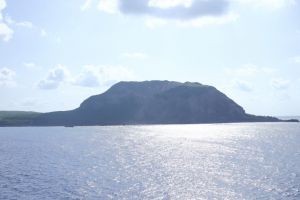
Iwo To lies at the southern end of the Ogasawara Islands. It was one of the fiercest battlefields of the Pacific War during World War II. In the Battle of Iwo Jima, more than 24,000 people died, including roughly 22,000 Japanese soldiers. Even more than 70 years after the war, it is said that many remains are still buried in the island’s soil.
Today, Iwo To is not open to the public, and civilians are not allowed to enter. Officially, this is because the island is a military facility used by Japan’s Self-Defense Forces and, at times, for joint training with the U.S. military. But in ghost-story circles, another reason is whispered: the island is simply too haunted.
For travelers and horror fans, it is important to be clear: Iwo To is off-limits to the general public. Do not attempt to visit, trespass, or remove anything from the island. The following stories are presented as folklore, rumor, and reported experiences from military circles.
1. The rumored “real reason” Iwo To is closed
The official explanation for Iwo To’s closure is straightforward: it is a restricted military base. But for years, a darker rumor has circulated among people familiar with Self-Defense Force stories.
According to that rumor, the island is not opened to civilians because an overwhelming number of spirits are said to appear there.
Many Self-Defense Force members have reportedly experienced strange phenomena on Iwo To. Some who can handle brutal training without complaint are said to dread being sent there. The reason most often given is the sheer number of dead.
The Battle of Iwo Jima left more than 24,000 people dead, and many remains were never recovered. Some say that if you dig into the ground, you are almost certain to find bones. Perhaps because of that, the apparitions reported on Iwo To are not the typical pale female ghosts of Japanese ghost lore. Instead, people speak of burned, blackened soldiers appearing on the island.
Memorial services are still held there regularly, and Japanese prime ministers have attended them. The island remains a place of military importance, national mourning, and, in rumor, deep unease.
2. The rule about not carrying rifles
Among Self-Defense Force members and U.S. military personnel stationed on Iwo To, it is said that carrying rifles around the island has been prohibited.
The reason given in these stories is chilling: there were allegedly multiple incidents in which personnel, panicking after a ghostly encounter, accidentally fired their weapons.
Even people who claim not to believe in ghosts have reportedly heard voices on Iwo To. Some sound as if they are suffering:
“Hot…”
“Give me water…”
Others are said to speak with heartbreaking regret:
“Mom… I want to see you.”
“I want to go back to the village.”
At first, one person reportedly thought the voices were just someone talking in their sleep. But others nearby had heard the same words. And, as the story points out, it would be strange for a modern service member to casually use the word “village” in that old-fashioned way.
3. Do not take sand or stones from Iwo To
Another rule said to exist among Self-Defense Force personnel is this: never take sand or stones from Iwo To.
When members finish their duty or training on the island and return to the mainland, they are reportedly told to remove every last grain of sand from the soles of their shoes.
One story tells of a service member who played a cruel prank on a senior colleague he disliked. To make him break the rule without knowing it, he slipped a small bottle of Iwo To sand into the senior member’s bag.
The sand apparently went unnoticed. But a few months later, the senior member was injured in an accident.
He also claimed that after returning from Iwo To, the spirit of a soldier stood by his pillow night after night, and he was tormented by nightmares.
In another account, a different service member secretly took a stone from Iwo To as a souvenir. Afterward, his behavior became increasingly strange, and eventually he disappeared. Months later, he was reportedly found dead in a cave.
The belief behind these warnings is that taking sand or stones from Iwo To may be no different from taking the bones of the war dead.
4. Leave a glass of water before sleeping
Iwo To has another unusual rule in these stories: before going to sleep, personnel are supposed to place a glass of water near the entrance of the room.
One service member reportedly forgot to do this after drinking too much and falling asleep.
In the middle of the night, he woke to something like a groan coming from the hallway. Thinking someone might be playing a prank, he opened the door.
Standing there was the blood-covered figure of an old Japanese soldier.
“Water… give me water…” the spirit murmured in agony.
Only then did the service member remember that he had forgotten the offering. Panicked, he poured tea into a cup, placed it in the hallway, shut the door, and waited in terror until morning.
There are no rivers on Iwo To. During the battle, there was only one place to obtain fresh water, and for a time that water source was reportedly seized by U.S. forces, making resupply extremely difficult. Many soldiers died suffering from thirst. Others were killed by flamethrowers.
Because of that history, people say the spirits of soldiers still wander Iwo To at night, searching for water.
5. Do not touch the cigarettes left as offerings
This final story comes from the reported experience of a Self-Defense Force member who was young and had only just arrived on Iwo To. At the time, he did not take the war dead, or the idea of spirits, very seriously.
So when he saw cigarettes left as an offering, he stole one.
That night, something terrifying happened.
As he slept, he suddenly felt intense pressure and pain around his chest. He opened his eyes and saw a soldier in uniform straddling his body, his face twisted with rage.
“Give me back my cigarette!” the soldier shouted.
Then, according to the story, the soldier shoved his hand into the man’s mouth.
On a battlefield with no women, no entertainment, and little comfort, cigarettes may have been one of the only small consolations soldiers had. After that night, the service member reportedly never again failed to show respect to the war dead.
Whether taken as ghost stories, military folklore, or warnings born from grief, the legends of Iwo To carry the same message: this is not just a haunted island. It is a battlefield grave, and it should be treated with solemn respect.
Japanese Language
自衛隊員 といえば過酷な訓練に耐え、被災地や戦地で戦う、 肉体・精神ともに屈強な人たち です。そんな自衛隊員も恐れをなすのが 「幽霊」 です。人の生き死にに触れることが多いので、霊感が発達するという話も聞きますが、もちろん中には 「幽霊なんて信じていない」 という人もいます。しかし、 そんな信じないという人でさえ、「硫黄島(いおうとう)」ではナニカを感じるといいます 。硫黄島は小笠原諸島の南端に位置する島で、 第二次世界大戦・太平洋戦線の最激戦地の1つ です。
いわゆる「硫黄島の戦い」では 2万4000人以上の死者 (日本軍だけで22000人ほど)が出ており、戦争から70年たった今でも 大量の人骨 が埋まったままになっているといいます。硫黄島は現在、民間開放はされておらず、一般人の立ち入りは禁止されています 。その理由は、とにかく 「出る」 からです。そのため、硫黄島には霊を遠ざけるいくつかの 特殊なルール があるとか。今回は現役自衛隊員が体験した、硫黄島の怖い話・心霊体験を厳選して5つ集めました 。
硫黄島が民間開放されない本当の理由。。戦後70年が経った現在でも、硫黄島は民間開放されていません 。その理由は公式には、自衛隊の軍事基地であり、米軍と共同訓練をすることもあるから……とされています。しかしそれは表の理由で、本当は別の理由があると昔からまことしやかに語られている噂があります。とにかく、 おびただしい量の「 幽霊 」が出るというのです 。というのも実際に多くの自衛隊員が 心霊現象 を体験しており、 屈強な自衛隊員の中にも硫黄島でだけは訓練をしたくない、とおびえる者が後を絶たない からなんです。
その理由はなんといっても 死者の多さ です。硫黄島の戦いでは 2万4000人以上の死者 が出ており、遺骨のほとんどは取りだされずに、埋もれたままになっています。地面を掘ると必ず骨が出る 、といわれるほどです。だからでしょうか。霊といったら古今東西女性が多いのですが、 硫黄島では黒焦げの兵隊の幽霊が現れるといいます 。現在でも定期的に追悼式が行われており、総理大臣が出席することもあります。硫黄島では自衛隊も米軍も小銃の携帯が禁止されている。
。島に駐在する自衛隊員や米軍兵の間では、 小銃を持ち歩くことが禁止されている といいます。その理由は、 心霊体験に遭った隊員がパニックになって銃を誤射する事故が何度もあったから だとか。幽霊を信じていないという自衛隊でも、硫黄島では 「あつい」「水をくれ」 といった苦しそうな声や、 「お母ちゃん。会いてえよ」「早く村に帰りてえ」 などの無念の言葉を聞いてしまうといいます 。同じセリフを仲間も聞いていたので、最初は寝言かと思ったそうですが、 現在の隊員から「村」という言葉がでるとは思えませんよね…… 。
硫黄島の砂・石を持ち帰ってはいけない。。自衛隊には 「硫黄島の砂や石を持ち帰ってはいけない」 という規則があるといいます。硫黄島での勤務や訓練を終えた自衛隊員たちは、本土へ帰還するとき、 靴の裏についた砂粒を1つのこらず落とす ように指示されるのです。あるとき、気に入らない先輩に規則違反をさせるために、砂の入った小瓶を鞄に入れるというイタズラをした隊員がいました。砂のことはバレなかったようですが、数ヶ月後、その先輩隊員は 事故 で怪我を負ってしまいます。
さらに先輩がいうには、硫黄島から帰ってから、 兵士の霊が夜な夜な枕元に立ち悪夢に悩まされた といか。また他の隊員は、こっそり硫黄島にあった石を記念に持ち帰りました。しかしその後、その隊員は言動がおかしくなり、ついに 行方不明 に。数カ月後、とある洞窟から 死体 で発見されたといいます。硫黄島の砂や石を持ち帰ることは、戦死者の骨を拾うのと同じことなのかもしれません。。寝るときには水を入れたコップを供えなければならない。。硫黄島での勤務には、他にも変わったルールがあります。
夜寝る前に必ず、水を入れたコップを部屋の入口に供えるというルール です。とある隊員は、酔っぱらって水を供えることなく眠りについてしまいました。すると夜中に廊下から うめき声 のようなものが聞こえ、目を覚ましました。誰かのいたずらかと思い、隊員は戸を開けたのですが……そこには、 血みまれになった旧日本兵の姿 が。「水……水をくれ……」 と苦しそうにつぶやく霊を見て、隊員は水を供えることを忘れていたのを思い出しました。あわててお茶をコップに入れて廊下に置き、戸を閉めて震えながら朝を待ったといいます。
硫黄島には川がまったくありません。真水が取れる場所は1か所しかなかったのですが、一時、その水場を米軍に占領されてしまい、水の補給が困難となりました。水不足で苦しみながら死んだ者 や、米軍の 火炎放射器で焼かれて死んでいった者 が大量にいたのです。そのせいでしょうか。硫黄島では今でも、水を求める兵士の霊が夜な夜な徘徊している といいます。お供え物のタバコに触ってはいけない。。とある自衛隊員の体験談です。まだ若く、硫黄島に到着したばかりだったこともあり、その隊員は戦死者や霊といったものを軽く見ていました。
だからつい、 お供え物として置かれてあった タバコ を1本、くすねてしまったのです 。その夜、隊員は恐ろしい体験をしました。寝ていたら急に胸のあたりが苦しくなり、目が覚めました。すると 軍服姿の兵士 が身体の上にまたがって 恐ろしい顔 をしているではありませんか。兵士は「俺のタバコを返せ!」と叫んで口の中に手を突っ込んできた といいます。女もいなければ娯楽もない戦地では、タバコは唯一の慰めだったのでしょう。その隊員は、今では戦没者への敬意を欠かさないといいます