English Version
Kubikiri Toge, often translated as “Beheading Pass,” is rumored to be haunted night after night by the spirit of a headless samurai warrior.
According to local stories, some people who encounter the headless fallen warrior may even become haunted by him afterward. While they sleep, they are said to hear a voice whispering beside their ear: “Do you know where my head is?”
There are also reports of other spirits appearing in the area—figures missing hands, feet, or other parts of their bodies.
The Legend Behind the Name
The story is said to go back to Japan’s Sengoku period. Saita Castle was attacked by Chōsokabe Motochika, and the castle was reportedly left in ruins. Most of its soldiers died in battle.
The few who survived were said to have suffered terrible wounds and mutilation. Unable to recover and left waiting for death in agony, they were supposedly beheaded out of pity, so their suffering would end more quickly.
This grim tale is often given as the origin of the name Kubikiri Toge—“Beheading Pass.”
Location
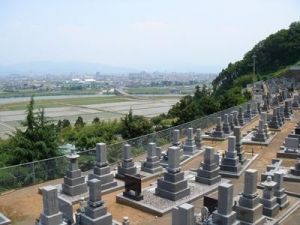
The pass is associated with the area around Saita, Mannō Town, Nakatado District, Kagawa Prefecture, along Kagawa Prefectural Route 17.
If you visit, treat the area as a real road and local community: go in daylight if possible, avoid stopping in dangerous places, do not block traffic, and do not enter private property or restricted areas.
Japanese Language
夜な夜な首の無い武者の霊がさまよっているとの噂。首無しの落武者に取り憑かれ、寝ている時に「わしの首を知らんか」と耳元で囁かれることもあるとか。他にも手足など身体の一部が欠損している霊の姿も確認されているとのこと。戦国時代、長宗我部元親によって攻め込まれた造田城は壊滅状態にまで陥り、ほとんどの兵士が戦死した。わずかに生き延びた者も傷や損傷が酷く、苦しみながら死を待っている状態だったため、哀れに思い首を切って楽にしたという逸話が元となって首切峠と呼ばれるようになったと言われている。
香川県仲多度郡まんのう町造田 県道17号線